Home
HomeHow to Choose Your Egypt River Journey
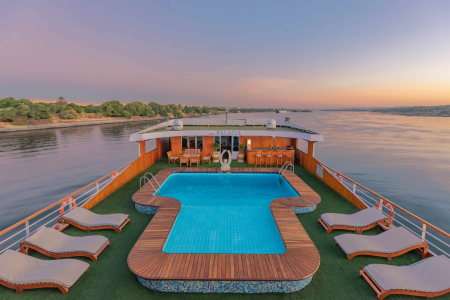
A floating hotel with good restaurants, swimming pools, bathtubs, exercise rooms, evening entertainment programmes, and more.
.jpg "How to Choose Your Egypt River Journey")
Topics Covered
- What are these river journeys?
- Sailing between Luxor and Aswan
- Lake Nasser sailings
- Long journeys between Cairo, Luxor and Aswan
What Are These River Journeys?
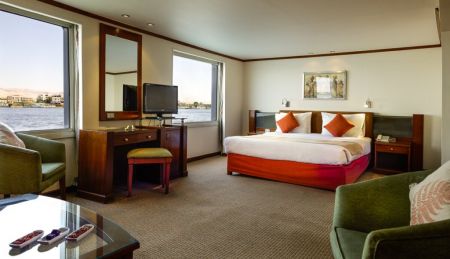
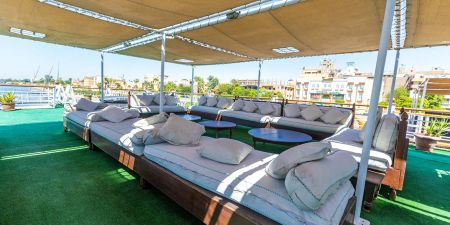
A river vessel in Egypt is essentially a floating hotel. It has most of the accommodation features of a land-based property, including restaurants, swimming pools, bathtubs, exercise rooms, evening entertainment programmes, small shops, and small libraries.
Evenings on board include live entertainment and dance areas for a disco. The boats offer a variety of nightly shows such as Nubian performances, belly dancers, whirling dervishes, plays, and even themed nights when guests can wear traditional Egyptian-styled costumes.
Itineraries vary considerably, but a typical sailing runs three, four or seven nights, sometimes longer. The shorter routes usually operate between Luxor and Aswan, while extended voyages travel further north to Dendera, often offering day tours overland to more remote locations. There are also long itineraries sailing all the way from Cairo to Luxor and Aswan. The most popular routes run between Luxor and Aswan.
The historical significance extends far beyond luxury accommodation. These vessels follow the same sacred waterway that carried pharaohs, merchants, and explorers for over 5,000 years. As you glide along the legendary river, you're retracing the footsteps of ancient Egyptian civilisation, where the Nile served as the lifeblood of one of humanity's greatest empires.
Each voyage becomes a journey through living history, stopping at UNESCO World Heritage sites including the magnificent temples of Karnak and Luxor, the Valley of the Kings where Tutankhamun rests eternally, and the breathtaking Abu Simbel temples carved directly into cliffsides by Ramesses II. The Temple of Philae, dedicated to the goddess Isis, and the Kom Ombo Temple, uniquely dedicated to two deities, offer passengers intimate encounters with ancient Egyptian religious practices and architectural mastery that has withstood millennia.
Modern vessels seamlessly blend contemporary comfort with archaeological wonder, featuring expert Egyptologists who bring these ancient stones to life through captivating storytelling and historical insights.
Sailing Between Luxor and Aswan
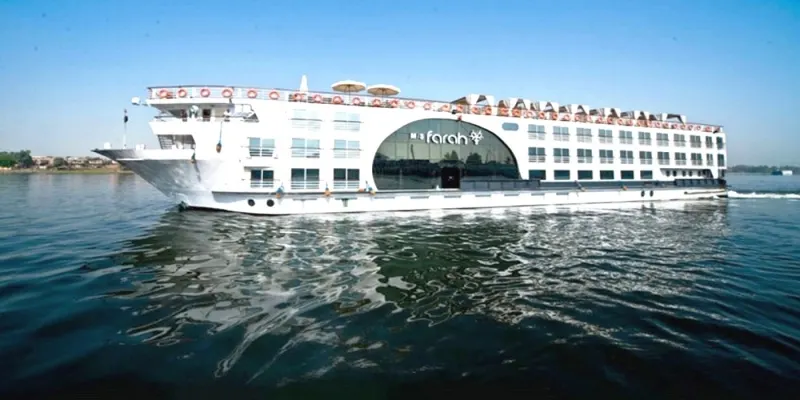
The journey from Luxor to Aswan takes 5 days, and 4 days in the opposite direction. You also have the option of a round trip from Luxor to Luxor or Aswan to Aswan. In all these options the sightseeing tours are the same.
During the touring days, you will visit the East Bank in Luxor, which includes the Temple of Karnak and Luxor Temple. Enjoy dinner on board and feast your eyes on a belly dance show.
Another day features a visit to the West Bank to see the Valley of the Kings, Valley of the Queens, and Hatshepsut Temple, then dressing in casual attire for the Captain's welcome party and chatting the night away as you sail to Edfu.
A day tour to Edfu and Kom Ombo lets you explore the Temple of Kom Ombo and the Temple of Horus at Edfu, before sailing to Aswan to visit the Aswan High Dam, Unfinished Obelisk, and the Temple of Philae.
These magnificent archaeological treasures span over 4,000 years of Egyptian civilisation, offering an extraordinary window into pharaonic grandeur. The Temple of Karnak stands as the largest religious complex ever built, whilst the Valley of the Kings houses the eternal resting places of New Kingdom pharaohs, including Tutankhamun's tomb. Hatshepsut Temple, carved dramatically into limestone cliffs, celebrates Egypt's most powerful female pharaoh. The Temple of Horus at Edfu remains one of the best-preserved ancient monuments, whilst Kom Ombo's unique dual design honours both Sobek and Haroeris. Each site reveals intricate hieroglyphics, stunning reliefs, and architectural marvels that have captivated explorers for centuries.
Lake Nasser Sailings
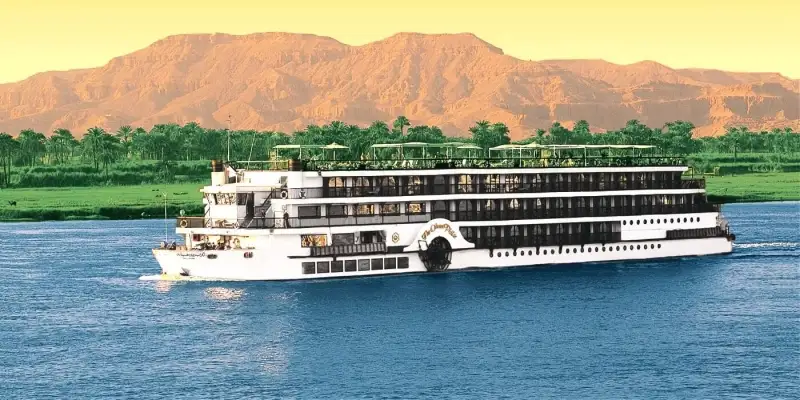
Sailing on Lake Nasser gives you a unique opportunity to relax on board a luxury vessel in the setting of this magnificent lake in Upper Egypt. Enjoy the unspoiled landscapes of the sixth-largest man-made lake in the world, along with all the nearby attractions included in this quality itinerary.
Lake Nasser itineraries include Aswan highlights such as the Aswan High Dam, Unfinished Obelisk and the Temple of Philae, plus visits to Kalabsha Temple and the magnificent Temple of Abu Simbel.
Immerse yourself in the rich tapestry of ancient Egyptian civilisation as you explore temples that have stood sentinel for millennia. The Temple of Wadi es-Sebua, adorned with remarkable Ramses II statues, offers an intimate glimpse into pharaonic grandeur. Journey to the Temple of Amada, Egypt's oldest temple in Nubia, where original wall paintings remain vibrantly preserved. Each sacred site tells captivating stories of divine worship and royal devotion, whilst the Temple of Derr showcases exquisite rock-cut architecture. These archaeological treasures, carefully relocated during the High Dam's construction, provide an extraordinary window into Egypt's glorious past, making your Lake Nasser voyage an unforgettable historical odyssey through time.
See our 2026 sailings and offers
Customize Your Dream Vacation!
Get in touch with our local experts for an unforgettable journey.
Plan Your Trip
Long Journeys Between Cairo, Luxor and Aswan
For those looking to take a longer holiday in Egypt, our boats sailing between Cairo, Luxor and Aswan over two weeks are the perfect opportunity to gain knowledge and discover some hidden treasures not seen on the shorter routes.
Having the advantage of sailing between Upper Egypt and Cairo means you will visit sites and temples such as Abydos and Dendera, which shorter itineraries miss, while still including all the magnificent temples and sights of Upper Egypt along with Cairo sightseeing.
The extended duration allows for authentic cultural immersion that transforms your journey from mere sightseeing into meaningful encounters. You'll have opportunities to engage with local artisans in traditional workshops, participate in village ceremonies, and share meals with Nubian families along the riverbanks. These intimate cultural exchanges provide profound insights into contemporary Egyptian life, whilst the unhurried pace enables deeper exploration of archaeological sites with expert Egyptologists. The additional time permits spontaneous discoveries — perhaps witnessing a traditional felucca race at sunset or exploring bustling local souks where generations of merchants have traded. Such experiences create lasting memories that distinguish this comprehensive voyage from conventional tourism.
Tailor-make your Egypt river journey from here
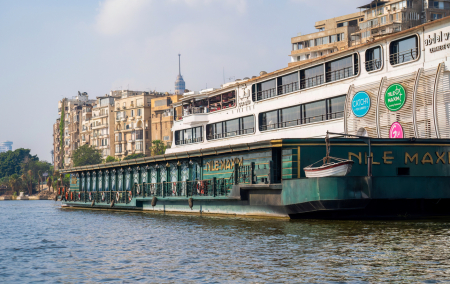
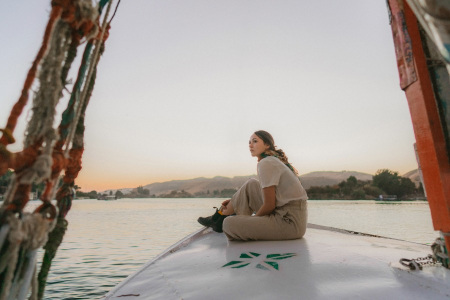
By taking a felucca ride on the Nile in Cairo, you can take in the picturesque panorama of the River Nile.
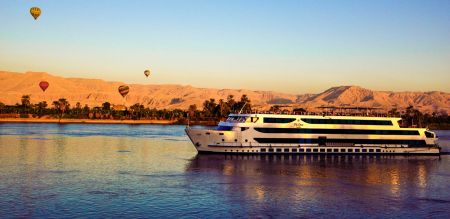
From short sailings between Luxor and Aswan to two-week journeys running all the way from Cairo — which route suits your time and the sites you want to see.

Egypt maintaining its status as a welcoming destination for international visitors whilst implementing robust security measures across all major tourist areas.

Whether you're a history enthusiast, adventure seeker, or family traveller, Egypt offers unparalleled opportunities to witness civilisation's greatest achievements whilst enjoying contemporary comforts and warm Egyptian hospitality.

Planning a trip to Egypt? Discover what to pack with our complete UK traveller’s guide, including essentials for Nile cruises, desert tours, and city breaks.

Picture this: you're standing in the bustling streets of Tokyo, desperately trying to navigate to your hotel, but your phone displays that dreaded "No Service" message. For UK travellers venturing beyond our shores, maintaining reliable internet connectivity isn't just about convenience—it's about safety, productivity, and making the most of every precious moment abroad.

This comprehensive guide draws upon decades of collective wisdom from seasoned travellers and local insights to ensure your Egyptian adventure reflects the respect this magnificent culture deserves.

Egypt beckons with its ancient pyramids, vibrant bazaars, and the legendary Nile River, drawing hundreds of thousands of UK travellers annually. Yet beneath the allure of this archaeological wonderland lies a complex landscape of potential risks that make comprehensive travel insurance not just advisable, but absolutely essential for British visitors.

Understanding flights from UK to Egypt becomes essential for anyone planning this remarkable journey across continents and cultures.

Explore Egypt’s weather by season, average temperatures, and when to visit for the perfect holiday.

Egypt in Ramadan offers UK travellers a unique blend of spiritual devotion, cultural richness, and authentic experiences. The holy month transforms daily life, combining centuries-old traditions with vibrant celebrations that reveal Egypt’s hospitality and heritage.

For UK couples seeking something beyond the typical Mediterranean getaway, Egypt presents a captivating alternative where pharaonic grandeur meets Red Sea luxury. From intimate felucca rides along the Nile to private dinners beneath star-studded desert skies, this land of mysteries promises honeymoon memories that will last a lifetime.

Egypt, a land where history and modernity intertwine seamlessly, stands as a beacon for intrepid adventurers and history enthusiasts alike. For UK seniors, this ancient country offers a treasure trove of experiences that cater to both the inquisitive mind and the comfort-seeking soul. The allure of Egypt lies not only in its iconic monuments and archaeological wonders but also in its welcoming atmosphere and well-established tourism infrastructure. This makes it a prime destination for seniors wishing to embark on a journey that is both enriching and manageable.

Discover wheelchair friendly holidays for UK travellers. A full Travel Guide with all what you need to know before booking a wheelchair holiday to Egypt!

With English widely spoken in tourist areas and numerous guided tours tailored to solo travellers, navigating Egypt independently is both feasible and rewarding. Solo travellers can choose from group excursions, private guides, or self-paced itineraries, ensuring that their journey is as relaxing or adventurous as they desire.

As you plan your journey, you'll face the delightful dilemma of choosing between two equally captivating routes: from Aswan to Luxor or Luxor to Aswan. Each direction offers its own set of highlights and experiences, making the decision a matter of personal preference. In this guide, we'll explore both routes in detail, helping you make an informed choice for your unforgettable Nile cruise adventure.

This guide is designed for UK visitors, providing a detailed breakdown of the best time for a Nile cruise, month-by-month weather insights, practical travel tips, and cultural considerations. Whether you are a first-time visitor or a returning traveller, this guide will help you plan your Aswan Luxor Nile cruise with confidence.

This guide explains Nile river cruise prices for UK travellers. Learn the differences between luxury standard and budget cruises, what affects cost, and tips for planning your ideal Nile adventure.

Experience the best of Egypt by combining cairo and nile in one unforgettable journey. Explore iconic landmarks in Cairo, then relax on a scenic Nile cruise visiting ancient temples and historic sites along the river.

Visiting Egypt from the UK? Discover essential tips on safety, visas, flights, Nile cruises, costs, and culture in one complete guide designed for British travellers.

Cruising the Nile River is the ideal way for first-time UK visitors to explore Egypt’s ancient landmarks in comfort. The Luxor to Aswan route offers iconic temples, expert-guided tours, and relaxed sailing, making it perfect for beginners.

This article is a travel guide to Cairo for UK visitors, covering top attractions, culture, transport, safety, and essential tips to help plan an easy and enjoyable trip.

Islamic Cairo is a historic district in Cairo known for its rich Islamic heritage, stunning architecture, and vibrant street life. This travel guide introduces UK visitors to its key landmarks, cultural experiences, and practical tips for exploring the area. From grand mosques to bustling markets, Islamic Cairo offers an authentic and immersive journey into Egypt’s past and present.
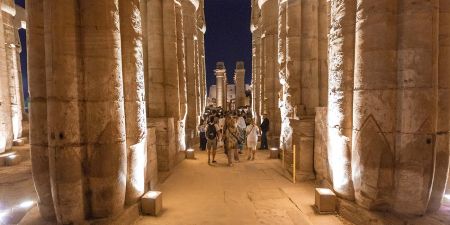
Luxor is the most well known recognized City in Upper Egypt and the capital of Luxor Governorate, known famously for its oldest and most Ancient Egyptian sites.
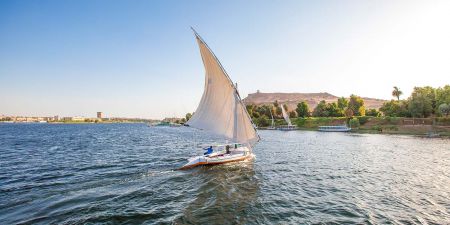
Aswan is Egypt’s southernmost city and lies, like Luxor and Cairo, on the shores of the Nile River, at its first cataract. Know More .!
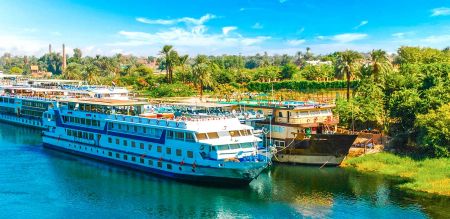
The Long Nile Cruise between Cairo, Luxor and Aswan is sure to be the trip of a lifetime through the ancient land of Egypt. Cruise boats now leave regularly from Cairo heading south to Luxor and Aswan. The two-week journey takes passengers to all of the major ancient sites along the Nile Valley, with time to relax and enjoy the scenery of the Nile Valley.
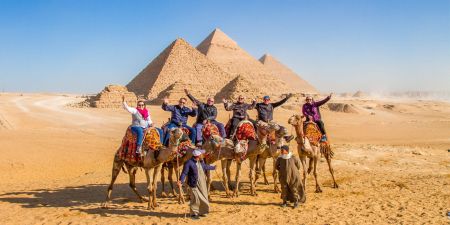
Egypt Do's & Don'ts. Know before you go Egypt, dress, Camera Usage, tipping and all the information you need to know before visiting egypt. Know more!