
Is Egypt Safe to Visit in 2027? Why Tourists Keep Coming
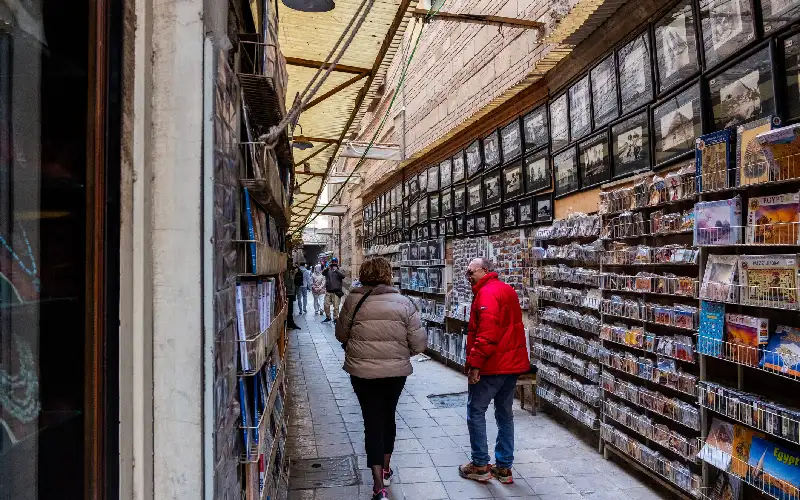
Yes, Egypt is safe to visit for most UK holidaymakers. The FCDO advises against travel only to remote areas such as North Sinai and the Libyan border, not to Cairo, Luxor, Aswan or the main Red Sea resorts. Egypt welcomed a record 19 million visitors in 2025.
In this article
- Is Egypt safe to visit right now?
- What does the FCDO say about travel to Egypt?
- Why do tourists keep coming to Egypt?
- How safe are Cairo, Luxor and Aswan?
- What are the real risks for UK travellers in Egypt?
- What security will you see at airports, hotels and sites?
- Is the Red Sea safe for a beach or diving holiday?
- What about health, heat and medical care?
- What local laws and customs should UK visitors know?
- How can you travel safely in Egypt?
Is Egypt safe to visit right now?
Yes. For the places most British holidaymakers go – the Pyramids, the Nile between Luxor and Aswan, and resorts such as Hurghada and Sharm El Sheikh – Egypt is a safe, well-organised destination. Millions of visitors travel there every year without any problems.
Like anywhere, it's sensible to stay informed. The UK Foreign, Commonwealth & Development Office (FCDO) updates its Egypt advice regularly, and its most recent update in October 2026 added a note about wider tensions in the Middle East. Those tensions haven't changed the advice for Egypt's main tourist areas, and flights to Cairo, Luxor and the Red Sea have continued to run.
It also helps to keep the risks in proportion. Most problems holidaymakers report in Egypt are the same ones you might meet in any busy destination: a taxi driver asking too much, an upset stomach or a long day in the sun. Plan for those, and you'll find Egypt a relaxed and rewarding place to travel.
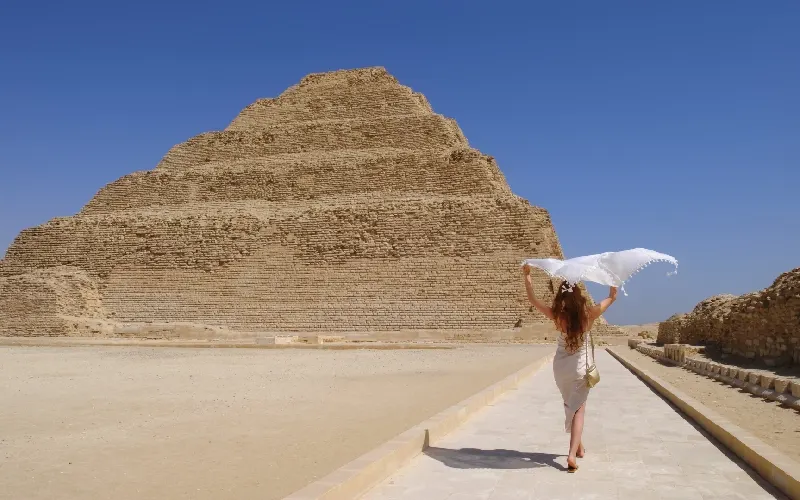
Egypt isn't part of the conflict, and its main sights are far from the fighting. Some travellers saw flight changes in early 2026 when airspace was restricted elsewhere in the region, mostly on routes connecting through the Gulf. Direct flights from the UK to Egypt are the simplest option if you're worried about disruption.
What does the FCDO say about travel to Egypt?
The FCDO advises against travel to some parts of Egypt, but these are remote areas most holidaymakers would never visit. They include North Sinai and the area within 20 km of the border with Libya. The rest of the country, including the classic holiday route, isn't covered by these warnings.
It's worth reading the full FCDO page before you book and again before you fly, because it includes a map showing exactly where the warnings apply. It also covers practical points such as local laws, entry requirements and health.
The FCDO also sets out a general warning about terrorism, as it does for many countries, including popular holiday destinations in Europe. This doesn't mean you shouldn't go. It means you should stay alert in crowded places, follow the advice of local authorities and keep an eye on the news while you're away.
Memphis Tours Expert Tip
Check that your travel insurance covers Egypt and every activity you plan to do. Many policies won't cover you if you travel to an area the FCDO advises against, so stick to the main tourist areas or check your policy first.
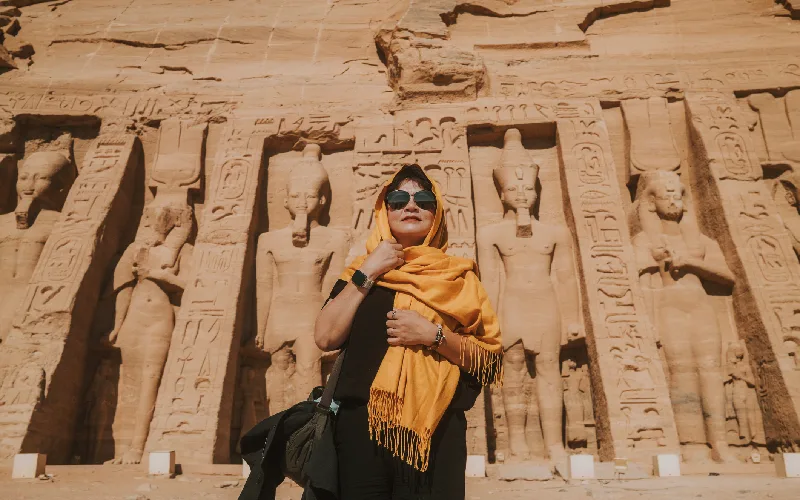
It's the second-strongest level of FCDO advice, used for areas where the risks are high. If you go to one of those areas anyway, your travel insurance may not be valid. None of the places on a classic Egypt holiday fall into this category, so it won't affect a typical Cairo, Nile and Red Sea trip.
Yes. Sharm El Sheikh is in South Sinai, a long way from North Sinai, and it's one of Egypt's busiest resort areas. Direct flights from the UK operate to Sharm, and the resort has strong security, including checks at hotel entrances and the airport. Our Pyramids, Nile & Sharm holiday combines the classic sights with a few days on the coast.
Customize Your Dream Vacation!
Get in touch with our local experts for an unforgettable journey.
Plan Your Trip
Why do tourists keep coming to Egypt?
Because the experience is extraordinary, and the numbers show visitors feel confident. Egypt welcomed a record 19 million tourists in 2025, and in the first half of 2026 arrivals rose by 3% even though tourism across the Middle East fell by around 22%, according to UN Tourism figures.
Several things are driving that growth. The Grand Egyptian Museum is now fully open next to the Pyramids, new hotels and Nile cruise ships keep arriving, and the exchange rate makes Egypt good value for UK visitors. Egypt has also been the most searched international destination for travellers from the Middle East for 12 years in a row.
Visitors also keep coming back. Many people who see the Pyramids and the Nile on a first trip return a few years later for the Red Sea, a dahabiya cruise or Abu Simbel. That kind of repeat travel is usually a good sign that people felt welcome and safe.
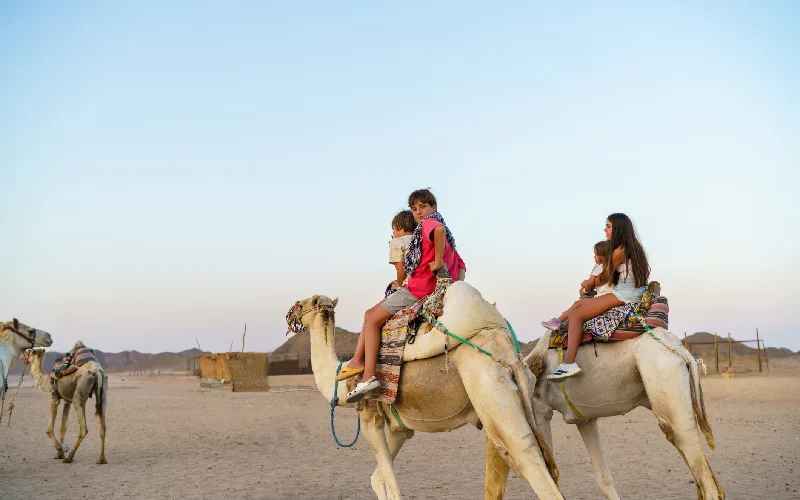
Yes, especially from October to April. Popular sites such as the Pyramids, Karnak and the Valley of the Kings can be busy by mid-morning, so it pays to visit early. Our guide to the best time to cruise the Nile explains how to time your trip.
How safe are Cairo, Luxor and Aswan?
Cairo, Luxor and Aswan are safe for visitors, with a visible police presence at major sites and hotels. The main challenges are everyday ones: heavy traffic, crowds and persistent sellers, rather than serious crime.
Cairo is a huge, busy city, but violent crime against tourists is rare. Luxor and Aswan are much smaller and more relaxed, and they're used to welcoming visitors all year. You'll pass through security scanners at many museums, temples and hotels, which is normal in Egypt.
Memphis Tours Expert Tip
Ask your guide or hotel for the going rate before you take a horse carriage, felucca or taxi. Agreeing the price first avoids almost every awkward moment.
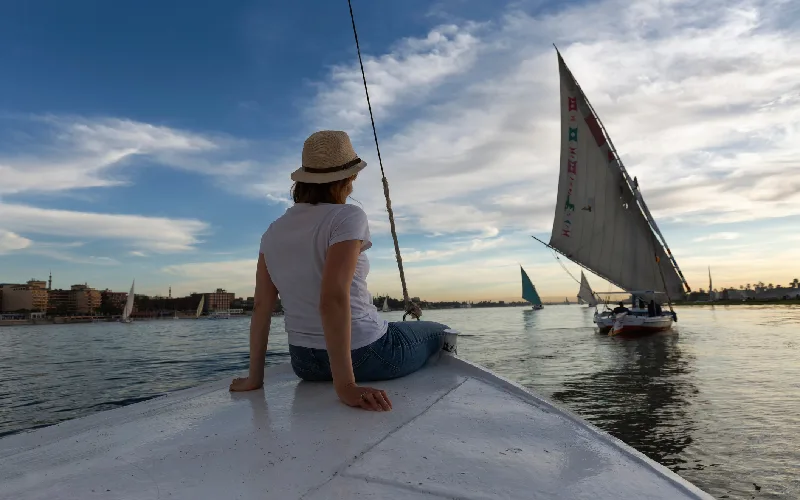
Yes, in the areas visitors usually go. Central districts, hotel areas and places such as Khan El Khalili are lively until late, especially in the evenings. As in any big city, keep valuables out of sight and use a trusted driver or a ride-hailing app.
What are the real risks for UK travellers in Egypt?
The most common problems in Egypt are small ones: overcharging, pushy sellers, upset stomachs and the heat. Serious incidents involving tourists are rare. Knowing what to expect is the best way to avoid them.
Scams and touts: be wary of "helpful" strangers at major sites and agree prices in advance.
Road safety: driving standards are very different from the UK, so use a reputable driver rather than hiring a car.
Heat and sun: temperatures can pass 40°C in summer, so drink plenty of water and plan sightseeing early.
Food and water: drink bottled water and choose busy restaurants with high turnover.
For more tips, read our list of things to avoid in Egypt.
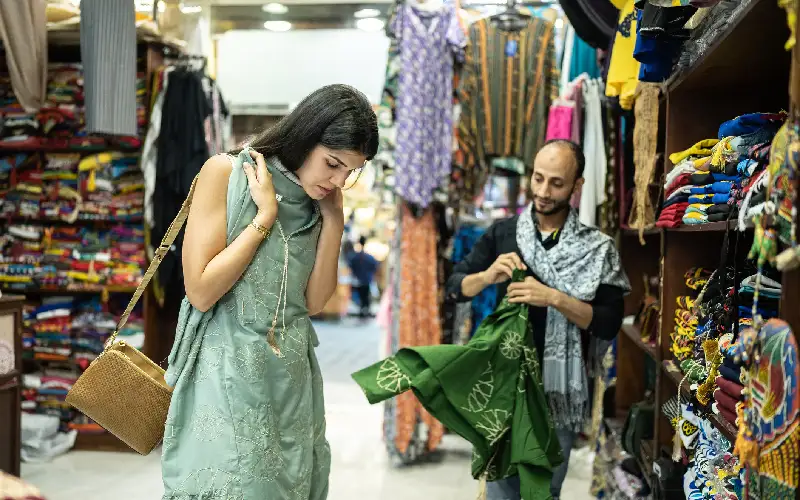
Yes, many women travel in Egypt alone or in small groups. Unwanted comments can happen, especially in busy markets. Dressing modestly, with shoulders and knees covered, helps, and travelling with a guide or on a small-group tour makes the experience much easier.
Yes. Egyptians are famously welcoming to children, and family holidays to the Nile and the Red Sea are very popular. Choose a Nile cruise ship with a pool, plan sightseeing for the morning and keep everyone well hydrated.
What security will you see at airports, hotels and sites?
You'll notice more visible security in Egypt than on a typical European holiday, and that's deliberate. Police and tourist police are stationed at airports, major monuments and many hotels, and you'll often walk through a scanner and put your bag through an X-ray machine.
At hotels, the checks usually happen at the main entrance. At the Pyramids, the Grand Egyptian Museum and the big temples in Luxor and Aswan, they happen at the ticket gates. It only takes a moment, and most visitors quickly get used to it. Some people find it reassuring rather than worrying.
The tourist police are a branch of the Egyptian police that focuses on visitors. You'll see them at major sites, in tourist areas and sometimes at hotels. If you have a problem, such as a lost bag or a dispute over a price, they're a good first point of contact, alongside your guide.
Is the Red Sea safe for a beach or diving holiday?
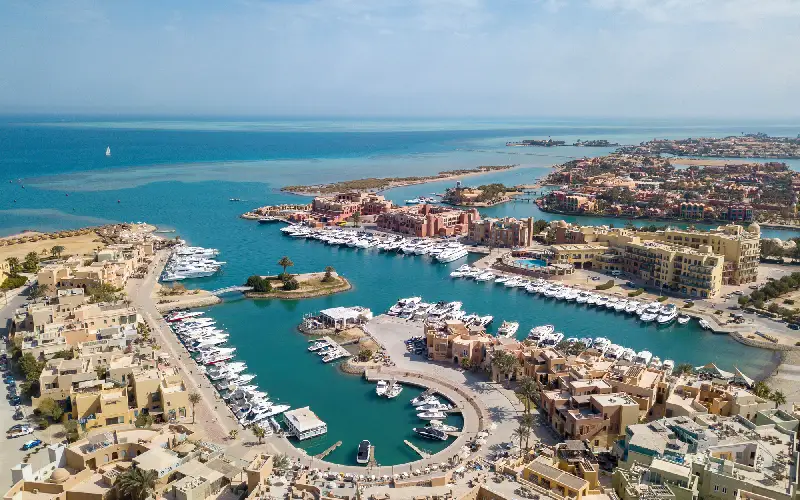
Yes. Hurghada, Sharm El Sheikh, El Gouna and Marsa Alam are some of the most popular beach destinations for British holidaymakers, and they're set up for international visitors. Resorts are largely self-contained, with their own beaches, pools and security.
In the water, the main things to think about are the sun, currents and coral. Use reef-safe sun cream, wear a rash vest when snorkelling for long periods, and never touch or stand on the coral. Some reefs have strong currents, so follow your guide's briefing and stay with your group.
Memphis Tours Expert Tip
If you plan to dive, choose a dive centre with recognised certification and up-to-date equipment, and check that your insurance covers diving to the depth you plan to go.
Yes, as in most warm seas, but incidents involving people are rare. Local authorities sometimes close beaches for a short time as a precaution if a shark is seen. Follow any instructions from your hotel or the beach staff, and only snorkel or swim in designated areas.
What about health, heat and medical care?
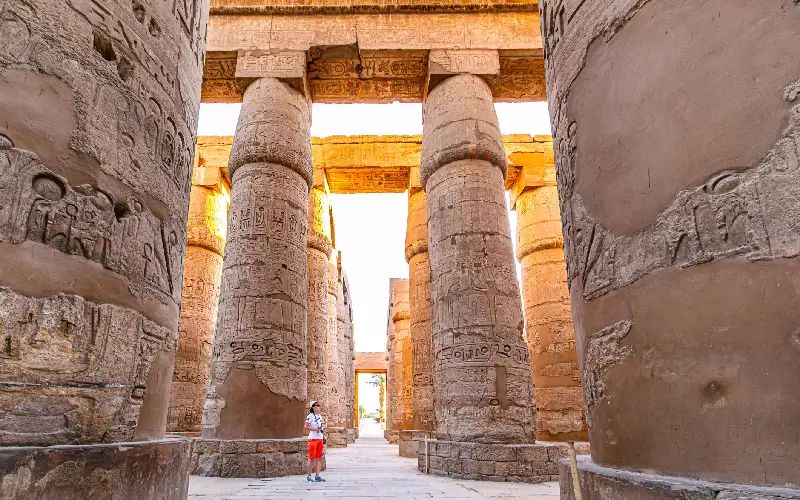
For most visitors, staying healthy in Egypt comes down to sun, water and food. The heat is the biggest factor. Even in spring and autumn, temples such as Karnak and the Valley of the Kings have little shade, so a hat, sunglasses and plenty of water are essentials.
Pack insect repellent too, especially for evenings by the Nile and on the Red Sea coast, where mosquitoes can be a nuisance in the warmer months.
Private hospitals and clinics in Cairo, Luxor, Aswan and the Red Sea resorts are used to treating international visitors, and many doctors speak English. Medical care can be expensive, which is another reason to have comprehensive travel insurance. Pharmacies are easy to find and can help with minor problems.
There are no compulsory vaccinations for most UK visitors arriving from the UK. Your GP or a travel clinic can tell you which routine vaccinations to check before you go. It's best to ask a few weeks before you travel.
What local laws and customs should UK visitors know?
Egypt is a welcoming country, but some of its rules are stricter than in the UK, and knowing them avoids problems. The FCDO's travel advice page has a full section on local laws, and it's worth reading before you go.
Photography: don't photograph police, military sites, bridges or government buildings. At museums and temples, check whether photography is allowed or needs a ticket.
Drones: you need official permission to bring or use a drone, so leave it at home unless you've arranged a permit in advance.
Dress: cover your shoulders and knees in towns, at religious sites and in local areas. Swimwear is fine at resorts and hotel pools.
Alcohol: it's available in hotels, on cruise ships and in many tourist restaurants, but drinking in public places isn't acceptable.
ID: carry a copy of your passport with you, as police may ask to see identification.
Drugs: penalties for drug offences are very severe and can include long prison sentences, so avoid them completely.
Demonstrations: stay away from protests and large gatherings, and follow the advice of local police.
Behaviour in public: public displays of affection are frowned upon. Same-sex relationships aren't openly accepted, so LGBT+ travellers may wish to be discreet. The FCDO gives more detail.
It's a good idea. Egyptian SIM cards and eSIMs are cheap and easy to buy at the airport or in town with your passport, and having mobile data makes it simple to use maps, ride-hailing apps and messaging to stay in touch with your guide.
Yes. Cards are accepted in most hotels, larger restaurants and shops, and ATMs are common in cities and resorts. Use machines inside banks or hotels where you can, and carry some Egyptian pounds in cash for taxis, tips and small purchases.
How can you travel safely in Egypt?
The simplest way to travel safely is to book with an established operator that handles your transfers, guides and hotels. That way, someone who knows the country is looking after the details, and you always have a local contact.
A good operator also keeps up with travel advice for you. If anything changes while you're in Egypt, such as a flight time or the opening hours of a site, your local team can rearrange your plans quickly so you don't miss out.
On our Cairo & Luxor Holiday Cruise, for example, you're met at the airport, driven in private vehicles and accompanied by an Egyptologist guide at every site, with our team on call 24/7.
- Read the latest FCDO advice for Egypt before you book and again before you fly
- Buy travel insurance that covers Egypt and all your activities
- Keep a copy of your passport and e-visa on your phone
- Use licensed guides and pre-booked transfers
- Drink bottled water and carry sun protection
- Save your tour operator's 24/7 number and your hotel's address in Arabic
Plan a safe Egypt holiday with a specialist
Memphis Tours has organised Egypt holidays since 1955, with our own team on the ground in Cairo, Luxor and Aswan. Explore our Egypt holidays or tailor-make your trip.
Yes, for the main tourist areas. The FCDO's warnings cover remote border regions, not Cairo, Luxor, Aswan or the main Red Sea resorts. Always check the latest advice before you travel, as it can change.
Yes. UK visitors can buy an e-visa online before travelling or a visa on arrival at the airport. Your passport should be valid for at least six months after your arrival date.
It's best not to. Drink bottled or filtered water, which is cheap and easy to find, and use it to brush your teeth if you have a sensitive stomach.
Yes. Nile cruise ships operate under strict regulations, with security at the docks and on board. Most cruises sail between Luxor and Aswan, both of which are popular, well-protected tourist cities.
Light, loose clothes that cover your shoulders and knees are best for sightseeing, especially at mosques and churches. Swimwear is fine at hotel pools, on cruise ships and at Red Sea resorts.
