Home
HomeThe Grand Bazaar of Istanbul
Welcome to the Grand Bazaar in Istanbul, Turkey's most famous market. This bustling marketplace is one of the oldest and largest covered markets in the world, with over 4,000 shops spread out over 61 streets and alleyways. Located in the heart of Turkey's largest city, this bustling market is a must-visit destination for anyone interested in the country's culture and history. Whether you're looking for exotic souvenirs, delicious street food, or an opportunity to practice your haggling skills, the Grand Bazaar has something for everyone. In this blog post, we will provide a comprehensive guide to the Grand Bazaar in Istanbul, from its origins and fascinating history to the shops and products on offer to tips on how to make the most out of your visit. So let's dive right in and explore the wonders of this iconic market.

The Grand Bazaar in Istanbul: A Guide to Turkey's Most Famous Market
Within the heart of Istanbul rises one of history's most magnificent commercial achievements—the Grand Bazaar, an architectural marvel spanning 61 covered streets and housing over 4,000 shops. This legendary marketplace welcomes between 250,000 and 400,000 visitors daily, each drawn to explore its labyrinthine corridors where centuries of trade have left their indelible mark.
The bazaar's origins trace back to 1461, when Mehmet the Conqueror commissioned a warehouse at Istanbul's commercial epicenter. What began as a simple storage facility evolved into the beating heart of Ottoman commerce—a marketplace so vital that more than a hundred soldiers stood guard over its treasures each night.
Statistical records reveal the bazaar's enduring magnetism: 91,250,000 visitors pass through its gates annually, establishing it as the world's most frequented tourist destination as of 2014. Gold gleams alongside hand-woven carpets, aromatic spices mingle with ancient antiques, creating a sensory tapestry that has mesmerized merchants and travelers across five centuries.
This exploration serves as your scholarly companion through the bazaar's intricate passages, illuminating the pathways to authentic treasures while steering clear of common misconceptions. Whether your quest centers on acquiring exceptional artifacts or absorbing the profound historical resonance embedded within these ancient stones, the Grand Bazaar presents an extraordinary window into Istanbul's mercantile legacy—a living testament to the enduring power of human commerce and cultural exchange.
Wear comfortable shoes, keep your belongings secure, carry cash for better bargaining, and take breaks at one of the traditional cafés. Remember that most shops accept credit cards but offer better prices for cash payments.
The History of the Grand Bazaar
The Grand Bazaar in Istanbul has a long history, and in the past, it was also home to a number of inns that accommodated buyers and sellers from all over the world. The Grand Bazaar was created to support the rapidly growing population of the city. It served as an important center for trade and commerce, connecting merchants from Europe, the Middle East, and North Africa.
Over the centuries, it has evolved and expanded, and according to studies, the Bazaar receives around 91 million visits every year, while other studies estimate that there are approximately 400,000 visitors per day. The market is divided into two main areas: the inner market (bedesten) and the outer market (çarşı). Here, shoppers can find everything from traditional Turkish clothing and pottery to modern electronics and gadgets. Despite the vast selection of goods, the heart of the Grand Bazaar in Istanbul remains unchanged, with its winding alleyways, colorful storefronts, and vibrant atmosphere.
Planning Your Visit to the Grand Bazaar
Strategic preparation elevates your Grand Bazaar encounter from mere tourism to genuine cultural immersion. This venerable marketplace operates under precise temporal rhythms, and understanding these patterns proves essential for accessing its authentic character.
Best time of day and year to go
The bazaar's operational schedule reflects centuries of established mercantile tradition. Monday through Saturday, the market gates swing open at 8:30 AM and seal shut at 7:00 PM. Sundays bring complete closure—a detail that frequently surprises unprepared visitors. Religious observances further dictate the bazaar's rhythm: Eid al-Fitr suspends commerce for three consecutive days, while Eid al-Adha extends this closure to four days, both following the lunar calendar's ancient calculations.
Dawn arrivals at 8:30 AM yield the most rewarding encounters. Merchants display their finest attention and hospitality during these early hours, before the day's accumulated fatigue sets in. The midday surge between noon and 4:00 PM transforms the bazaar into a human torrent, with tour groups contributing to the daily peak of 400,000 visitors.
Seasonal considerations demand equal attention. Spring months of April and May, along with the September-October autumn period, offer optimal conditions. Temperatures during these intervals maintain comfortable ranges between 15°C and 20°C, preventing the oppressive atmosphere that summer heat creates within the covered passages, particularly when combined with dense crowds.
How to get there by tram or metro
Istanbul's sophisticated transit network provides multiple pathways to this historic destination. The most direct approach utilizes the T1 tramline, disembarking at Beyazıt-Kapalıçarşı station, which deposits visitors precisely at the Beyazıt Gate entrance. Travelers departing from Sultanahmet require merely two stops along this route.
The M2 metro line presents an alternative approach via Vezneciler station, followed by a pleasant 7-10 minute walk through Istanbul's historic quarter. Taksim-bound passengers appreciate the M2's efficiency—seven-minute journeys with ten-minute intervals between trains.
Transit operations commence around 6:00 AM and continue until midnight. Public transport surpasses taxi service in both economy and speed, as dedicated tram lanes circumvent Istanbul's legendary traffic congestion.
How much time to set aside
The bazaar's overwhelming scale—45,000 square meters of commercial space—demands realistic temporal expectations. Meaningful exploration requires a minimum investment of 2-3 hours, allowing adequate browsing time plus traditional refreshment breaks for Turkish coffee or tea.
Dedicated collectors and serious shoppers benefit from half-day allocations or longer. Seasoned visitors advocate splitting bazaar time between morning and late afternoon sessions, retreating elsewhere during the midday tourist deluge.
Physical preparedness proves equally crucial. The bazaar's 60 covered streets, housing approximately 4,000 shops, require substantial walking, making fresh energy levels essential rather than attempting exploration after exhausting sightseeing schedules. Proper footwear becomes mandatory—comfortable, flat shoes prevent fatigue across the extensive ground coverage that accumulates imperceptibly.
Navigating the Maze: Layout and Entrances
The architectural complexity of the Grand Bazaar reflects centuries of organic commercial evolution rather than systematic urban planning. This labyrinthine structure, encompassing over 60 streets and more than 4,000 establishments, operates on principles established during the Ottoman Empire's mercantile zenith. Mastering its spatial logic requires understanding both its historical development and contemporary commercial geography.
Main gates and their names
Four principal portals anchor the bazaar's structural framework, positioned at the termini of its primary intersecting thoroughfares. These architectural landmarks function as critical orientation points within the marketplace's complex geometry:
Nuruosmaniye Gate: Adjacent to the Nuruosmaniye Mosque, this entrance provides direct access to the precious metals quarter where goldsmiths and gem merchants conduct their trade. Tour groups frequently commence their explorations here, resulting in considerable pedestrian density.
Beyazıt Gate: Positioned near Istanbul University and Beyazıt Square, this portal offers optimal accessibility for tram passengers. The gate establishes a direct connection between the Beyazıt II Mosque complex and the commercial precinct.
Çarşıkapı Gate: Located proximate to the Column of Constantine (Çemberlitaş), this entrance channels visitors into the bazaar's most commercially active sectors.
Mahmutpaşa Gate: This portal connects directly to the Mahmutpaşa Bazaar district, where textile merchants offer goods at more accessible price points.
Secondary entrances include the Örücüler Gate, which facilitates movement toward Eminönü and the renowned Spice Bazaar.
How the streets are organized
The bazaar's spatial organization adheres to medieval guild principles, wherein merchants practicing identical trades clustered along designated thoroughfares. This systematic arrangement created a logical commercial taxonomy that persists, albeit in modified form, throughout the modern marketplace.
Kalpakçılar Caddesi (Hatmakers' Street) exemplifies this historical pattern, functioning as a primary artery now dominated by jewelry establishments. Halıcılar Sokak maintains its traditional carpet specialization, while the İç Bedesten houses the most valuable antiquarian collections.
This trade-specific distribution extends systematically across the entire complex—the Zenneciler Gate provides access to carpet and textile merchants, whereas antiquarian specialists and Ottoman artifact dealers concentrate near the Nuruosmaniye and Mercan Gates.
Tips to avoid getting lost
Successful navigation demands strategic landmark identification and spatial awareness. The İç Bedesten (Inner Bedesten) constitutes the bazaar's geographical and commercial epicenter, accessible through four distinct portals, including the Jewelers' Gate and Skullcap Sellers' Gate.
The central thoroughfare, designated Kapalicarsi, serves as the primary navigational spine. This arterial pathway provides consistent directional reference throughout the marketplace's most complex sectors.
Cartographic preparation proves essential given the bazaar's organic development pattern—described by architectural historians as "picturesque" due to centuries of incremental expansion without unified planning. Recording your entry point and maintaining visual reference materials significantly enhances spatial orientation.
Rather than resisting the maze-like configuration, experienced visitors recommend embracing its serendipitous nature. The bazaar's irregular layout facilitates unexpected encounters with remarkable merchandise and skilled artisans. Morning entries through less-frequented gates typically afford more contemplative exploration opportunities.
Customize Your Dream Vacation!
Get in touch with our local experts for an unforgettable journey.
Plan Your TripTips for Shopping at the Grand Bazaar in Istanbul
It pays to do your research in advance if you intend to shop in the Grand Bazaar in Istanbul. Every day between 8:30 a.m. and 7:00 p.m., the Grand Bazaar is open. However, stores are closed during religious holidays. Before you even set foot in the bazaar, know what prices you should expect to pay for items, and be prepared to bargain. Many merchants in the Grand Bazaar in Istanbul will start with a high price, expecting you to haggle down to a fair price. Additionally, it’s important to keep your wits about you: don’t be afraid to walk away if you feel uncomfortable with the price or if you think you’re being scammed.
Being an informed shopper can save you a lot of money and hassle. If you are not able to visit the Grand Bazaar in Istanbul, then you have an option, too. If you want to buy or get something from the bazaar, you may shop online. The bazaar has an online website and online shopping site from which you may buy daily fresh Turkish products, traditional Turkish goods, and goods with handicrafts, traditional Turkish rugs, carpets, etc.
Popular purchases include Turkish ceramics, lanterns, spices, leather goods, and textiles. Always negotiate politely - start at about 50-60% of the initial asking price and be prepared to walk away if the price isn't right.
What to Buy and Where to Find It
The Grand Bazaar's commercial genius lies not merely in its vast scale, but in its meticulous organization by craft and trade—a system that has endured since Ottoman merchants first established their specialized quarters. Each corridor tells the story of master artisans whose techniques have been refined across generations, creating a treasure map for discerning collectors and cultural enthusiasts.
Jewelry on Kalpakçılar Caddesi
Kalpakçılar Caddesi—the former domain of imperial hatmakers—has evolved into Istanbul's most prestigious jewelry quarter, where centuries of goldsmithing expertise culminate in extraordinary displays. The street's transformation reflects Turkey's deep cultural relationship with precious metals, where gold transcends mere ornamentation to serve as both heritage preservation and economic security.
Turkish gold craftsmanship operates predominantly in 22-carat purity, a standard that balances durability with the warm, rich coloration prized throughout the Middle East. Traditional wedding ceremonies still feature elaborate gold presentations, with intricate bracelets serving as both blessing and investment for newlyweds.
Master jewelers like Sevan Bıçakçı have elevated the craft to artistic heights, creating miniature worlds within ring settings—Ottoman tughra calligraphy, architectural landmarks, and mythological scenes rendered with microscopic precision. Establishments such as Mavi Köşe specialize in authentic Ottoman-era pieces, where collectors can discover original 18th-century jewelry bearing the hallmarks of imperial court artisans.
Carpets in the İç Bedesten
The İç Bedesten represents the bazaar's most prestigious commercial core, originally constructed as a fortress-like repository for the empire's most valuable commodities. Within these ancient stone chambers, Turkey's carpet-weaving heritage unfolds through regional masterpieces that embody centuries of Anatolian artistry.
Authentic Turkish carpets reveal their origins through distinctive regional characteristics: Hereke carpets demonstrate silk-on-silk construction with knot densities exceeding 1,000 per square inch, while Bergama pieces showcase bold geometric patterns rooted in pre-Islamic Turkic traditions. Takkeciler Street and the historic Zincirli Han house specialists who understand these subtleties intimately.
Şişko Osman exemplifies the traditional carpet merchant—a scholar-trader who traverses Anatolia seeking exceptional pieces, then shares their cultural significance while serving ceremonial tea. His expertise encompasses not only technical aspects like natural dye identification and weaving structure analysis, but also the symbolic meanings embedded within ancient motifs.
Spices and sweets near the exits
The bazaar's peripheral areas offer aromatic treasures that capture Turkey's position at the crossroads of Asian and European culinary traditions. While the nearby Spice Bazaar commands greater renown, discerning food enthusiasts discover exceptional specimens within the Grand Bazaar's quieter passages.
Sumac—the burgundy-hued spice derived from dried berries—provides the distinctive tartness that defines Turkish salads and meat preparations. Pul biber encompasses a spectrum of capsicum varieties, from mild Aleppo pepper to fiery Urfa biber, each contributing unique flavor profiles to Ottoman cuisine. Çörek otu (Nigella sativa) seeds have enhanced Turkish breads and pastries since Byzantine times.
Lokum (Turkish delight) connoisseurs should seek establishments offering samples of their artisanal varieties—pomegranate pieces studded with pistachios, rose-scented cubes dusted with powdered sugar, and regional specialties like Afyon lokum infused with regional cream.
Antiques and rare finds in hidden alleys
The bazaar's most extraordinary discoveries reside within its less-traveled passages, where specialist dealers curate collections that span centuries of Ottoman material culture. Cevahir Bedesten, among the market's oldest sections, houses merchants who possess encyclopedic knowledge of Islamic decorative arts and historical artifacts.
Zincirli Han's shadowed corridors shelter antique specialists whose inventories read like museum catalogs—Byzantine coins bearing imperial portraits, illuminated Quran manuscripts with gold leaf calligraphy, and Ottoman miniature paintings depicting court life. These dimly lit spaces create an archaeological atmosphere where each artifact carries provenance stories stretching back generations.
Textile connoisseurs gravitate toward Abdulla, where handwoven fabrics demonstrate regional weaving traditions: silk scarves from Bursa bearing patterns inspired by Iznik ceramics, and traditional peshtemal towels woven on looms unchanged since the 16th century. Iznik Works showcases the revival of Ottoman ceramic arts, featuring pieces that recreate the cobalt blue and coral red glazes that once adorned imperial palaces.
Sofa transcends conventional retail, functioning as both gallery and repository for ecclesiastical art—19th-century Greek Orthodox icons with tempera and gold leaf, Russian religious paintings, and Ottoman manuscript illuminations whose prices reflect their museum-quality significance.
The bazaar has 4 main gates and 61 covered streets. Use Nuruosmaniye Gate as your primary landmark, and don't hesitate to ask shopkeepers for directions - they're usually very helpful.
Mastering the Ancient Art of Bazaar Commerce
The acquisition of authentic treasures within Istanbul's Grand Bazaar demands a sophisticated understanding of centuries-old commercial traditions. Discerning collectors recognize that successful bazaar navigation requires both technical expertise and cultural appreciation—skills that distinguish knowledgeable connoisseurs from casual tourists.
Authenticating Craftsmanship Through Expert Examination
Discriminating quality necessitates methodical assessment techniques passed down through generations of Turkish artisans. Carpet evaluation begins with knot density examination—authentic pieces reveal their superiority through tightly woven foundations, typically displaying 400-800 knots per square inch in premium specimens. The tactile test proves equally revealing: genuine Turkish carpets exhibit directional texture variations, feeling smooth when stroked toward the weave and resistant in reverse.
Leather authentication employs time-tested methods favored by seasoned merchants. The water absorption test remains definitive—authentic hides gradually absorb moisture droplets, while synthetic imitations repel liquid entirely. This distinction proves critical, as inferior reproductions often contain harmful chemical treatments absent from traditional tanning processes.
Precious metal assessment demands particular vigilance. Reputable establishments like Kafkas display official certification, while genuine Turkish gold typically measures 22-carat—a purity standard that ensures both aesthetic excellence and investment value.
Decoding the Psychology of Traditional Negotiation
Turkish commercial culture operates on centuries-refined bargaining principles that foreign visitors frequently misinterpret. Initial quotations routinely exceed final selling prices by 50% or more—a practice rooted in Ottoman merchant traditions rather than deceptive intent. Experienced negotiators recognize these inflated opening positions as invitations to engage in the ritualistic exchange that both parties expect and enjoy.
Strategic withdrawal often proves more effective than aggressive counter-offers. Genuine merchants prefer satisfied customers over quick profits, understanding that reputation determines long-term success. The most authentic establishments typically occupy quieter sections where local customers conduct regular business, far from tourist-focused demonstrations that prioritize pressure tactics over quality merchandise.
Financial Strategy and Currency Considerations
Payment methodology significantly influences final transaction values within the bazaar's economic ecosystem. While modern vendors accommodate credit cards for substantial purchases, cash payments unlock additional advantages that savvy buyers exploit systematically.
Currency preference extends beyond mere convenience—merchants readily reduce prices by 10% or more for cash transactions, eliminating processing fees that erode profit margins. The tactical revelation of cash availability following price negotiations frequently yields supplementary discounts ranging from 2-5%.
Turkish lira proves essential for smaller acquisitions, as numerous specialized vendors lack card processing capabilities for minor transactions. Banking institution ATMs within the city center offer superior exchange rates compared to airport facilities, which impose excessive surcharges that diminish purchasing power unnecessarily.
Mastering Crowd Dynamics and Security Protocols
The Grand Bazaar's perpetual human tide demands strategic awareness alongside commercial enthusiasm. This centuries-old marketplace generates a unique social ecosystem where understanding crowd psychology becomes essential for optimal exploration.
Recognizing Deceptive Practices and Theft Techniques
Fundamental security principles govern successful bazaar navigation—conceal valuables and limit cash exposure. Metal detection systems monitor entrance points under trained security personnel, though heightened awareness remains crucial within dense congregations. Classical deception techniques include the "falling brush" manipulation, where accomplices deliberately drop objects to initiate unauthorized service charges. Merchants occasionally deposit unsolicited merchandise into shopping receptacles, creating artificial purchase obligations.
Managing Vendor Persistence and Sales Pressure
Bazaar merchants exhibit varying degrees of commercial determination, most remaining within acceptable social boundaries. Disinterest requires clear yet respectful communication—maintained eye contact, courteous acknowledgment, and continued movement. Traditional tea hospitality represents genuine cultural exchange without transactional requirements. Excessive vendor aggression signals questionable merchandise quality or inflated pricing structures. Professional merchants understand customer autonomy and respect purchasing decisions.
Strategic Rest Points and Refreshment Locations
Sark Kahvesi provides sanctuary near the bazaar's sole internal restroom facility, offering respite from sensory overwhelm. Nuruosmaniye Gate houses additional sanitary facilities. Havuzlu restaurant has maintained culinary traditions since 1960, presenting authentic sustenance away from commercial pressures. These establishments serve as crucial decompression zones during extended exploration periods.
The Grand Bazaar is open Monday through Saturday from 9:00 AM to 7:00 PM. Visit on a weekday morning to avoid the largest crowds and have the best shopping experience.
The Grand Bazaar emerges as a living chronicle where Ottoman commercial genius continues to unfold across centuries. This historic marketplace transcends mere retail transactions—it presents an archaeological experience where each cobblestone whispers tales of empire and enterprise.
Strategic timing elevates your encounter with this mercantile masterpiece. Dawn hours and twilight periods reveal the bazaar's authentic character, when morning light filters through ancient arches and evening shadows dance across weathered stones. Proper footwear becomes essential equipment for your archaeological expedition through these storied passages.
Scholarly preparation amplifies your appreciation of this cultural treasure. Mastering the bazaar's organizational principles unlocks access to genuine artisanship, while negotiation expertise ensures equitable exchanges with skilled craftsmen. Discerning authentic heritage pieces from modern reproductions transforms casual browsing into meaningful cultural acquisition.
Serendipitous wandering often yields the most extraordinary discoveries. Hidden alcoves harbor remarkable artifacts that escaped tourist attention for decades. Vigilance remains paramount while pursuing these treasured finds—maintain awareness of your surroundings and secure your belongings during these exploratory ventures.
Cultural immersion extends far beyond commercial transactions. Shared tea ceremonies with seasoned merchants illuminate Turkish hospitality traditions that have flourished for generations. These intimate exchanges forge lasting connections that transcend geographical boundaries.
This magnificent bazaar has sustained its magnetic appeal across five remarkable centuries of political upheaval, economic transformation, and cultural evolution. Its enduring fascination speaks to humanity's perpetual attraction to places where history, commerce, and cultural exchange converge into something truly extraordinary—a testament to the bazaar's rightful position among the world's most captivating historical monuments.
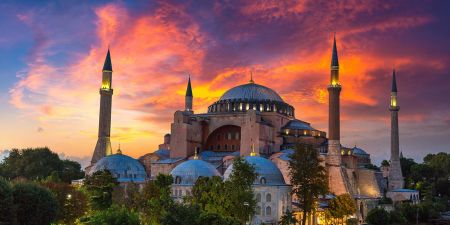
Declared by UNESCO a World Heritage, the Hagia Sophia is a symbol of coexistence, harmony & ancient Marvel. Accompany us through a journey in time & discover the history of this loved attraction.
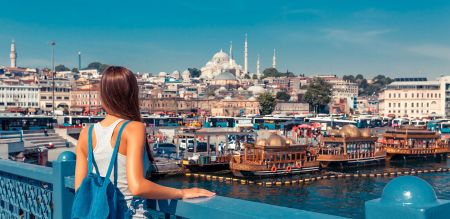
Dividing the modern life of the West from the Orient of the East, the Bosphorus Strait is more than just a body of water; it’s a heritage and an essential piece of history for you to discover through our article.
Here is your best Turkey Travel Advisor including on it the tips and the information needed for your trip which would help you to enjoy it to the max in Turkey.
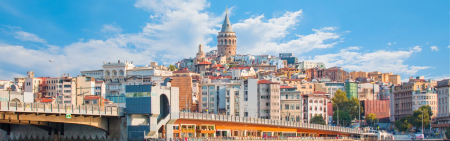
Galata Tower is without a doubt one of the most recognizable landmarks on the peninsula, Until 1749, Galata Tower was Istanbul's highest structure in Istanbul.
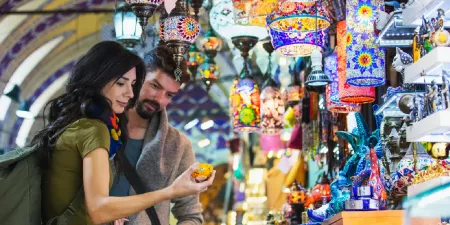
Welcome to Turkey's most well-known market, the Grand Bazaar in Istanbul. One of the oldest and biggest covered marketplaces in the world is this crowded bazaar.
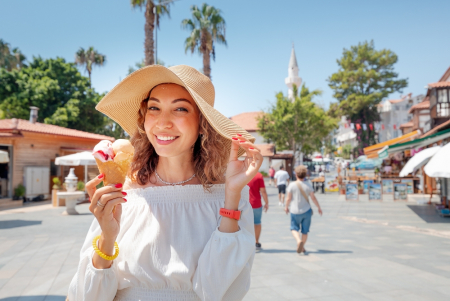
People travel from all over the world to the House of the Virgin Marry to receive her blessing and to fulfill their wishes and make them true as it was believed that this was the last place she was in when she passed away.
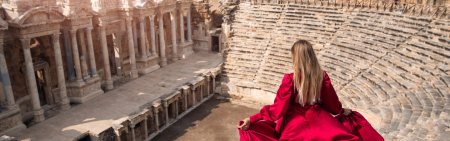
Pamukkale in Turkey is known as the Cotton Castle or Cotton Palace city which is admired for its stunning beauty that will raise your eyebrows as it is the city of beauty and wonder located in southwestern Turkey with its natural landscapes, ancient ruins, and thermal pools.
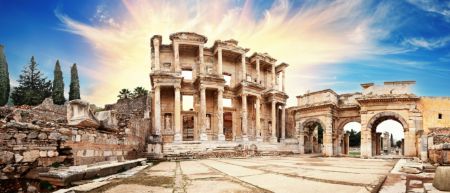
Kusadasi in Turkey is known as the paradise of the country that lies on the Aegean Sea and is also well known for its magnificent beaches, exciting nightlife, and historical monuments.
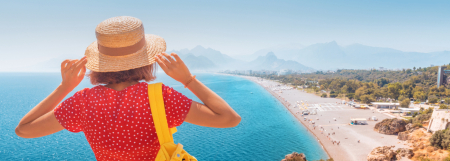
Check this Antalya Turkey Travel Guide to craft your perfect Turkish adventure! Read more!
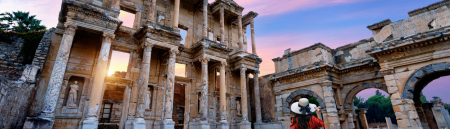
Ephesus is not just a site; it is a magical journey through history that leaves visitors awe-struck and inspired, read the following exclusive guide to know more!
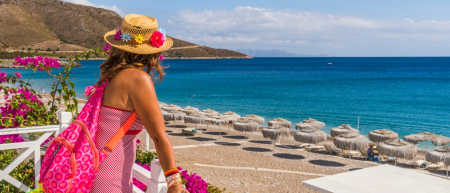
Bodrum, a sun-kissed jewel on Turkey's southern peninsula, weaves together azure bays, golden beaches, and ancient tales, inviting you to lose yourself in a Mediterranean dream where history whispers from every cobblestone and the sea beckons with its siren song. Read More!
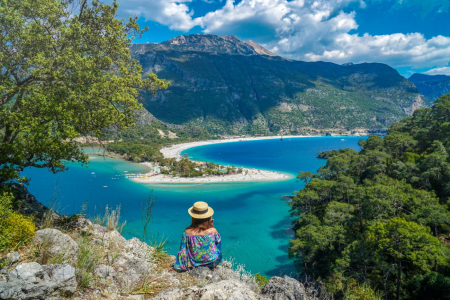
Fethiye stands as one of the most captivating cruise ports along the Turquoise Coast, where golden sands meet azure waters against a backdrop of forested mountains. This hidden paradise has captured our imagination perfectly blending natural beauty and ancient history. Read More!
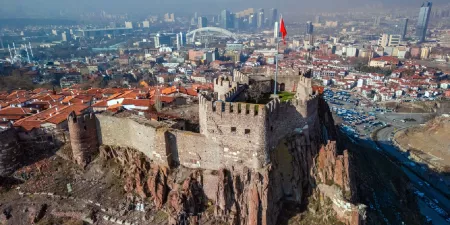
Ankara, the capital of Turkey, blends deep-rooted history with modern governance. From ancient ruins to bustling markets and official institutions, it’s a hub of culture, politics, and national identity.

Located at the Dardanelles Strait, Çanakkale in Turkey offers rich history, from ancient Troy to Gallipoli, plus coastal cuisine, museums, and scenic views across Asia and Europe.
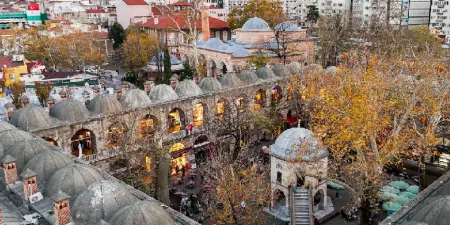
Explore Bursa city, where Ottoman heritage meets natural beauty. Discover it`s top attractions, historic mosques, and vibrant local markets.
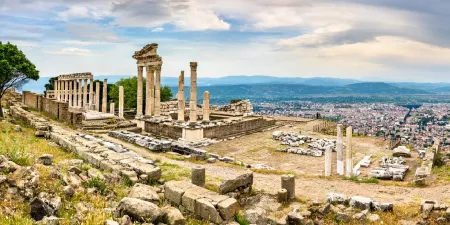
Explore Pergamon in Turkey, an ancient hilltop city known for its dramatic theater, healing center of Asclepius, and rich layers of Hellenistic and Roman heritage.
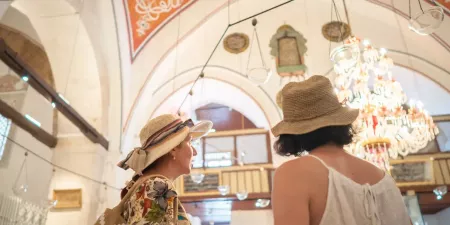
Explore Konya in Turkey, home to Rumi, Seljuk heritage, and iconic Konya attractions like the Mevlana Museum and whirling dervishes.

Marmaris blends beaches, history, and nightlife, making it a top Aegean getaway for sunseekers and culture lovers alike. Discover more about it!
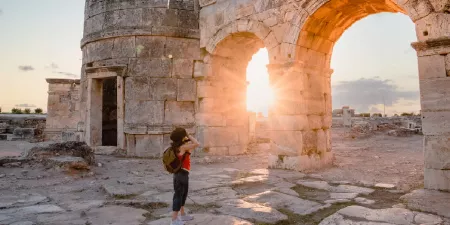
Discover Hierapolis, an ancient Roman city in Turkey, famous for its well-preserved ruins, sacred sites, and views over Pamukkale’s travertine terraces.
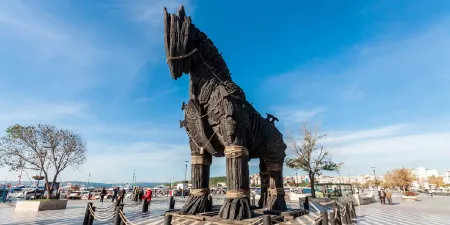
Explore the fascinating story of Ancient Troy, from myth to archaeology. Discover the real Troy, its epic war, legendary heroes, and historical ruins.
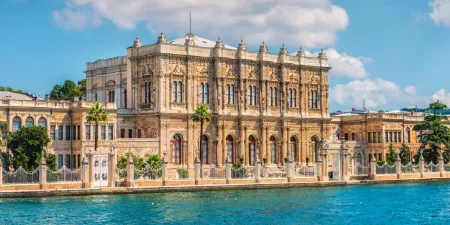
Explore Dolmabahçe Palace, a symbol of Ottoman luxury and European elegance on the Bosphorus, with rich history and breathtaking interiors.

Visit Side in Turkey for ancient wonders, beach escapes, and culture. Discover the best things to do in Side for an unforgettable trip.

Çeşme, Turkey offers sandy beaches, thermal springs, historic castles, and lively Alaçatı—perfect for relaxation and adventure.

From river cruises to mud baths, Dalyan offers endless charm. Discover history, beaches, and top-rated activities in things to do in Dalyan.

Aspendos in Turkey features the legendary Aspendos Theater, a stunning Roman-era structure known for its perfect acoustics and preservation.

Perge in Turkey offers a deep dive into ancient Roman life, with well-preserved ruins and monuments in one of the region’s most iconic cities.

Sumela Monastery is a stunning cliffside monastery near Trabzon, offering rich history, breathtaking views, and a unique spiritual atmosphere.

Explore the ruins of the Mausoleum at Halicarnassus, the iconic Bodrum Mausoleum built for Mausolus and once among the Seven Wonders.

Uludağ mountain is a popular mountain retreat in Turkey, famous for its ski resorts, lush forests, and year-round outdoor activities.

Beyoğlu, Istanbul’s lively district, offers historic landmarks, bustling streets, cultural venues, and endless things to do for every traveler.

Derinkuyu, Cappadocia’s largest underground city, reveals a labyrinth of tunnels and chambers that once sheltered thousands in ancient times.

Kars in Turkey is a historic city known for Ani’s ruins, Kars Castle, and unique local cuisine. Explore top attractions and the best things to do in Kars.
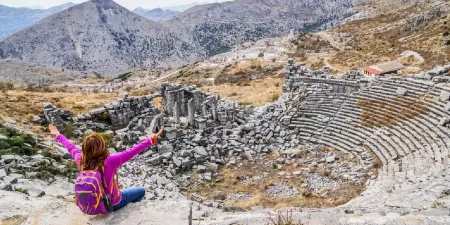
Sagalassos in Turkey is an ancient Pisidian city with Roman ruins, a famous fountain, and breathtaking mountain views.
Dalaman in Turkey offers stunning beaches, nature, and history. Check out the best things to do in Dalaman for your next adventure.
Discover the Basilica Cistern, Istanbul’s hidden underground gem, built by Emperor Justinian with 336 columns and timeless history.
Discover the Princes' Islands in Turkey for a tranquil day of Victorian charm, pine forests, and beaches just a ferry ride from Istanbul! Read More!
Still figuring out what to do, where to go, when to visit & what sites to see in the mesmerizing city of Istanbul. Then check out our Istanbul Travel Guide for a trip down the discovery lane.
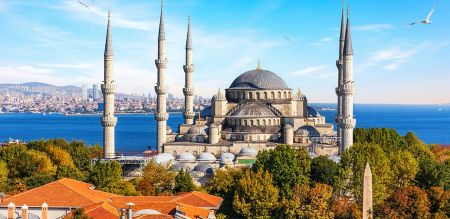
Famous for its sky-blue tiles, The Blue Mosque of Turkey is more than an ancient architectural beauty, it’s a magnificent piece of history. Read on & Discover some of that history & more.
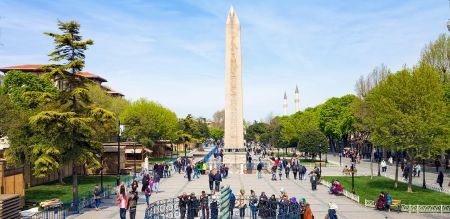
Built by the Romans in AD 203, the Hippodrome of Constantinople is exploding with both Roman & Ottoman history. Read on & Discover more about this magnificent Roman relic in the heart of Turkey.
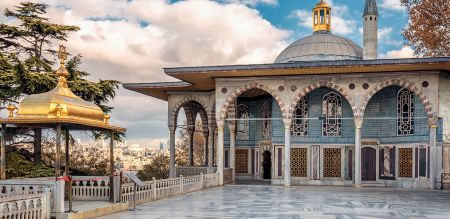
Discover what secrets roam the halls of once the administrative center of the Ottoman sultanate & a majestic palace/ museum, Topkapi Palace check out our article and unravel the marvel of Topkapi Palace.

Cappadocia in Turkey is a city referenced by ancient scriptures and beloved by its inhabitants and visitors alike is a truly spectacular place. Discover the runes, caverns, sites, and the adventure awaiting you in Cappadocia.