Home
Home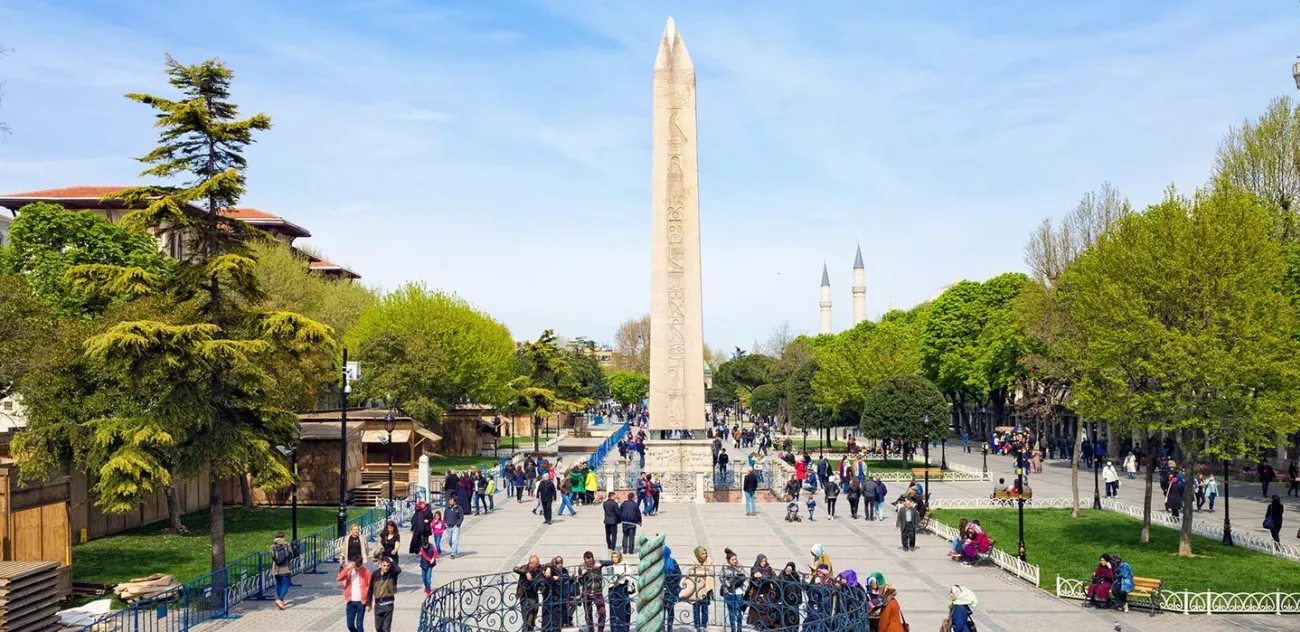
Visitors to Sultanahmet Square today walk on the grounds of the magnificent Hippodrome of Constantinople. This enormous structure stretched 450 m (1,476 ft) long and 130 m (427 ft) wide. Picture yourself among the crowd of spectators in this massive arena. The venue could hold up to 100,000 people, though some experts suggest a more modest capacity between 30,000 and 40,000.
The hippodrome constantinople remained the city's political and social heart for almost 900 years. Roman Emperor Constantine I built this remarkable venue in the fourth century AD. The structure served more than just entertainment purposes. The infamous Nika riots of 532 CE marked a dark chapter in its history. Emperor Justinian I ordered the execution of 30,000 people trapped inside the Hippodrome, an event that reshaped Byzantine history forever.
The ancient site captivates modern visitors with its enduring mysteries. The Egyptian obelisk stands proudly after 3,500 years, while the connection to the Great Palace reminds us of emperors watching chariot races from their imperial box. The Hippodrome remains one of history's most awe-inspiring architectural achievements that continues to amaze visitors from around the world, even in its current state of ruins.
The Hippodrome of Constantinople is presently one of the most popular tourist attractions in Turkey today. Although some of its structures have been destroyed and have gone missing over time, there are still a lot of amazing things to see and explore. A lot of interesting materials have been excavated by archeologists over time, and these materials can still be seen in Istanbul’s museums.
History of the Hippodrome
The arena was built by the emperor initially in AD 203 by Emperor Septimius Severus, who used it for chariot races, horse races, public festivals, and public executions of the emperor’s enemies. In AD 324, Emperor Constantine decided to move the capital of Rome to Byzantium. To do this, he had to carry out major renovations in Byzantium, and one of these major renovations was carried out on the Hippodrome. The hippodrome was upgraded so that its newfound beauty would suit the status of the city. After the renovation, the Hippodrome of Constantinople was estimated to be about 450m long and 130m wide. Its stand was also said to be able to hold 100,000 spectators, all at one time.
The Hippodrome of Constantinople was the center of the city's social life; it was used for various occasions, such as the lavish circumcision ceremony of the sons of Sultan Ahmed III. It can also be observed from the miniature paintings & figurines of the Hippodrome of Constantinople that the arena was once a magnificent and very beautiful place. Although the structures do not exist anymore in the square, the present Sultanahmet square largely follows the ground plan and dimensions of the once-great Hippodrome.
Discover the Blend of Ancient Roman & Turkish History with our Turkey Tour Packages starting at 565$.

The Hippodrome served as the central sporting and social center of Byzantine Constantinople for over 1,000 years, hosting chariot races, imperial ceremonies, and public gatherings that shaped the empire's political and cultural life.
What was the Hippodrome of Constantinople used for?
Although a lot of activities took place in the Hippodrome of Constantinople, the major activities that took place in the arena were horse and chariot races. These races, which were usually completed on the tracks of the Hippodrome of Constantinople, usually involved eight chariots powered by four horses each. These racers were divided into four different teams, each of which tried to secure the win for its rider during the race. The teams were The Blues (Veneto), The Red (Rousioi), The Whites (Leukoi), and The Greens (Prasiniol). These teams were not just the mighty champions of the Hippodrome; they gradually grew in power until they became a sort of political party that dabbled in the affairs of the rich & poor of the empire equally. The red and the Whites gradually weakened in strength, and as time went on, they were absorbed by The Blues and The Green. Emperor Justinian I of Constantinople was a Blue.
Also, the arena served some other functions other than hosting the sports activities for which it was primarily built. It served as a medium through which the emperor met with the people, engaged with them & tapped into the heartbeat of the public. During races, people would often shout out their political demands to the Emperor, who was always present at such races. The king also flaunted his wealth and riches during these races, occasionally giving out money and gifts to people during these gatherings.

Customize Your Dream Vacation!
Get in touch with our local experts for an unforgettable journey.
Plan Your TripThe Monuments That Continue to Impress
Three extraordinary survivors from antiquity command attention within the former hippodrome's boundaries, each bearing witness to civilizations separated by millennia. These archaeological treasures represent an unparalleled convergence of Egyptian pharaonic power, Hellenic triumph, and Byzantine imperial ambition.
The 3,500-year-old Egyptian obelisk
Predating Constantinople itself by nearly two millennia, the Obelisk of Theodosius emerges as the site's most ancient sentinel. Pharaoh Thutmose III commissioned this red granite masterpiece at Aswan, where skilled artisans shaped its original 30-meter height. Transportation across the Mediterranean inflicted considerable damage, reducing the monolith to its current 18.54 meters, though the marble base elevates the total structure to 25.6 meters.
Theodosius I's ambitious relocation project in 390 CE transported this pharaonic monument across vast distances to grace his capital. Hieroglyphic inscriptions adorning each face commemorate Thutmose III's decisive victory over the Mitanni kingdom circa 1450 BC. The marble pedestal showcases intricate bas-reliefs depicting Theodosius presenting victory crowns at chariot races, while spectators and musicians populate the surrounding scenes.

The mysterious Serpent Column
Bronze serpents intertwined in eternal vigilance mark the Hellenic contribution to this monument collection. Forged to celebrate the Greek triumph over Persian forces at Plataea in 479 BC, this commemorative column originally graced Apollo's sacred sanctuary at Delphi. Constantine's systematic appropriation of classical treasures brought this trophy to Constantinople in 324 CE.
Archaeological evidence reveals that the column once supported a golden tripod, which Phocian raiders appropriated in 355 BC. The serpent heads endured until the late 17th century, when Silahdar Findiklili Mehmed Aga recorded their mysterious disappearance "on the night of October 20, 1700". Only a solitary upper jaw survives today, carefully preserved within the Istanbul Archaeological Museums.
Match the allure of Turkey with the passion of Spain with our Turkey and Greece Tours.

Three original monuments remain on the site: the Egyptian Obelisk from 1500 BC, the Serpent Column from Delphi, and the Stone Obelisk (Constantine Column), all positioned along the original race track's center line.
The Walled Obelisk and its lost bronze plates
Masonry rather than monolithic stone characterizes the third monument, whose 32-meter height dominates the southern approach. This "Walled Obelisk" achieved its former splendor through gilded bronze plates that Constantine VII commissioned during the 10th century.
These decorative elements, depicting Basil I's military triumphs, vanished during the Fourth Crusade's systematic plundering in 1204, melted down for their precious metal content. Ancient inscriptions compare the structure's grandeur to the legendary Colossus of Rhodes. Janissary recruits regularly scaled its heights as demonstrations of physical prowess, accelerating the surface deterioration visible today. Despite centuries of weathering and human interference, this monument maintains its imposing presence, continuing to fascinate visitors through sheer architectural persistence.

Customize the adventure of a lifetime with our Tailor-make options.
Best Time to Visit the Hippodrome of Constantinople
If you are planning to visit the wonderful Hippodrome of Constantinople, then it would be best for you to visit around March to May and between September and November. At these times, the city will be less crowded, and the room rates will be relatively low. Also, the weather is extremely pleasing, giving you the opportunity to enjoy your trip to the fullest.
Easy access and nearby attractions
The square's strategic positioning provides immediate proximity to Hagia Sophia, Topkapi Palace, and the Basilica Cistern. Subterranean hippodrome remnants await exploration within the Museum of Turkish and Islamic Arts, offering visitors unprecedented access to foundations that supported imperial ceremonies for nearly a millennium.
The Hippodrome is situated in Istanbul's Sultanahmet Square, directly between the Blue Mosque and Hagia Sophia. It's an open public space with no entrance fee, accessible to visitors 24 hours a day.
Most visitors spend 20-30 minutes exploring the Hippodrome's monuments and taking photographs, though combining it with nearby Blue Mosque and Hagia Sophia visits makes for an efficient historical tour itinerary.
Travel Tips
As you visit the Hippodrome of Constantinople, take your camera with you, as there are some wonderful spots for you to take excellent pictures. Also, be careful not to cause any damage to the structures and artifacts you find at the site, and ensure you follow the instructions given to you by your travel guides.
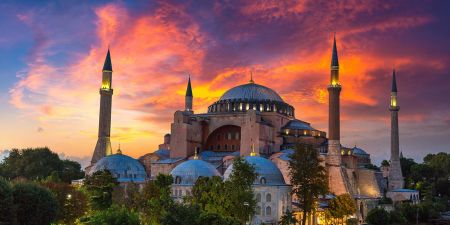
Declared by UNESCO a World Heritage, the Hagia Sophia is a symbol of coexistence, harmony & ancient Marvel. Accompany us through a journey in time & discover the history of this loved attraction.
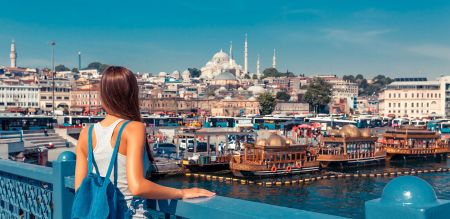
Dividing the modern life of the West from the Orient of the East, the Bosphorus Strait is more than just a body of water; it’s a heritage and an essential piece of history for you to discover through our article.
Here is your best Turkey Travel Advisor including on it the tips and the information needed for your trip which would help you to enjoy it to the max in Turkey.
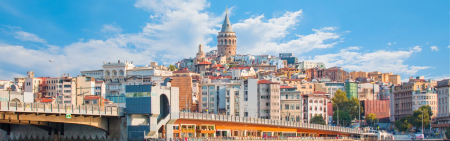
Galata Tower is without a doubt one of the most recognizable landmarks on the peninsula, Until 1749, Galata Tower was Istanbul's highest structure in Istanbul.
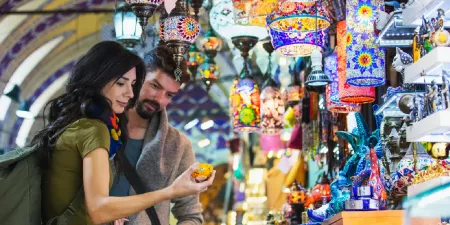
Welcome to Turkey's most well-known market, the Grand Bazaar in Istanbul. One of the oldest and biggest covered marketplaces in the world is this crowded bazaar.
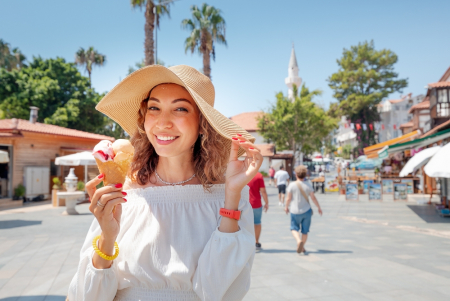
People travel from all over the world to the House of the Virgin Marry to receive her blessing and to fulfill their wishes and make them true as it was believed that this was the last place she was in when she passed away.
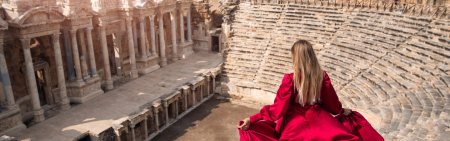
Pamukkale in Turkey is known as the Cotton Castle or Cotton Palace city which is admired for its stunning beauty that will raise your eyebrows as it is the city of beauty and wonder located in southwestern Turkey with its natural landscapes, ancient ruins, and thermal pools.
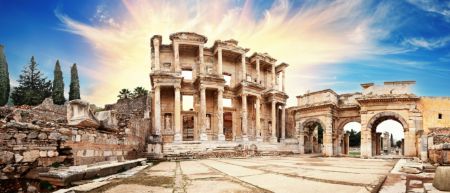
Kusadasi in Turkey is known as the paradise of the country that lies on the Aegean Sea and is also well known for its magnificent beaches, exciting nightlife, and historical monuments.
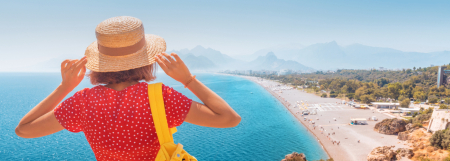
Check this Antalya Turkey Travel Guide to craft your perfect Turkish adventure! Read more!
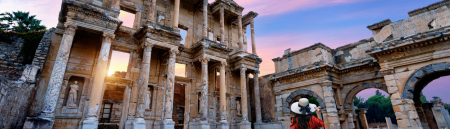
Ephesus is not just a site; it is a magical journey through history that leaves visitors awe-struck and inspired, read the following exclusive guide to know more!
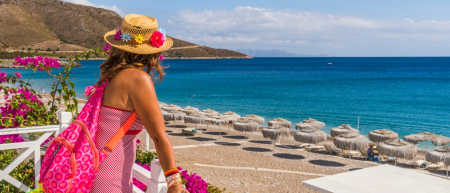
Bodrum, a sun-kissed jewel on Turkey's southern peninsula, weaves together azure bays, golden beaches, and ancient tales, inviting you to lose yourself in a Mediterranean dream where history whispers from every cobblestone and the sea beckons with its siren song. Read More!
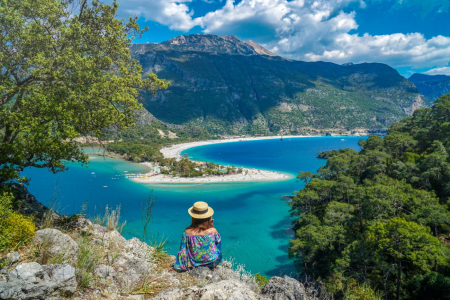
Fethiye stands as one of the most captivating cruise ports along the Turquoise Coast, where golden sands meet azure waters against a backdrop of forested mountains. This hidden paradise has captured our imagination perfectly blending natural beauty and ancient history. Read More!
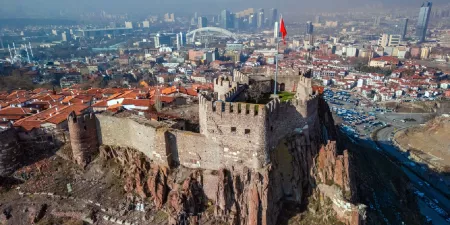
Ankara, the capital of Turkey, blends deep-rooted history with modern governance. From ancient ruins to bustling markets and official institutions, it’s a hub of culture, politics, and national identity.
Located at the Dardanelles Strait, Çanakkale in Turkey offers rich history, from ancient Troy to Gallipoli, plus coastal cuisine, museums, and scenic views across Asia and Europe.
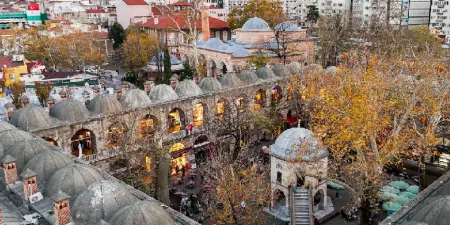
Explore Bursa city, where Ottoman heritage meets natural beauty. Discover it`s top attractions, historic mosques, and vibrant local markets.
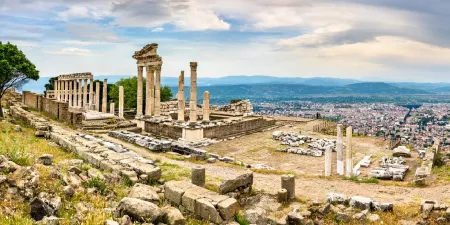
Explore Pergamon in Turkey, an ancient hilltop city known for its dramatic theater, healing center of Asclepius, and rich layers of Hellenistic and Roman heritage.
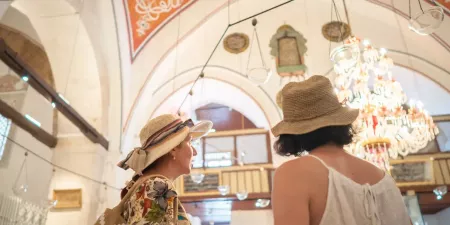
Explore Konya in Turkey, home to Rumi, Seljuk heritage, and iconic Konya attractions like the Mevlana Museum and whirling dervishes.
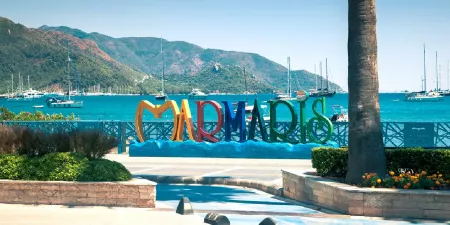
Marmaris blends beaches, history, and nightlife, making it a top Aegean getaway for sunseekers and culture lovers alike. Discover more about it!
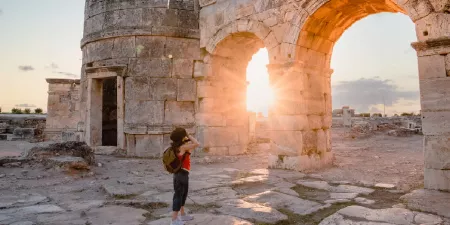
Discover Hierapolis, an ancient Roman city in Turkey, famous for its well-preserved ruins, sacred sites, and views over Pamukkale’s travertine terraces.
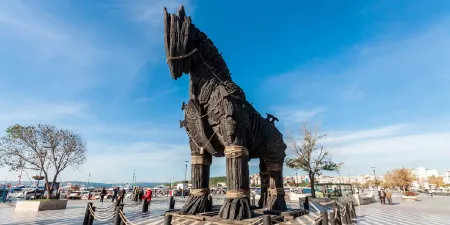
Explore the fascinating story of Ancient Troy, from myth to archaeology. Discover the real Troy, its epic war, legendary heroes, and historical ruins.
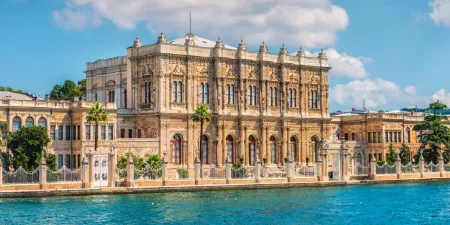
Explore Dolmabahçe Palace, a symbol of Ottoman luxury and European elegance on the Bosphorus, with rich history and breathtaking interiors.

Visit Side in Turkey for ancient wonders, beach escapes, and culture. Discover the best things to do in Side for an unforgettable trip.

Çeşme, Turkey offers sandy beaches, thermal springs, historic castles, and lively Alaçatı—perfect for relaxation and adventure.

From river cruises to mud baths, Dalyan offers endless charm. Discover history, beaches, and top-rated activities in things to do in Dalyan.

Aspendos in Turkey features the legendary Aspendos Theater, a stunning Roman-era structure known for its perfect acoustics and preservation.

Perge in Turkey offers a deep dive into ancient Roman life, with well-preserved ruins and monuments in one of the region’s most iconic cities.

Sumela Monastery is a stunning cliffside monastery near Trabzon, offering rich history, breathtaking views, and a unique spiritual atmosphere.

Explore the ruins of the Mausoleum at Halicarnassus, the iconic Bodrum Mausoleum built for Mausolus and once among the Seven Wonders.

Uludağ mountain is a popular mountain retreat in Turkey, famous for its ski resorts, lush forests, and year-round outdoor activities.

Beyoğlu, Istanbul’s lively district, offers historic landmarks, bustling streets, cultural venues, and endless things to do for every traveler.

Derinkuyu, Cappadocia’s largest underground city, reveals a labyrinth of tunnels and chambers that once sheltered thousands in ancient times.
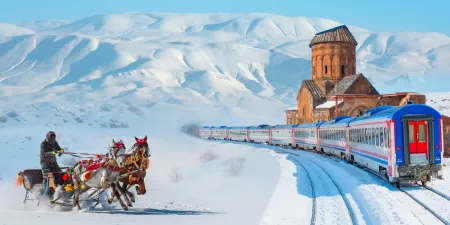
Kars in Turkey is a historic city known for Ani’s ruins, Kars Castle, and unique local cuisine. Explore top attractions and the best things to do in Kars.
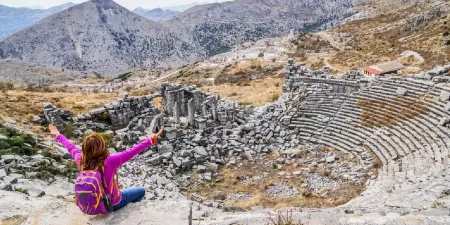
Sagalassos in Turkey is an ancient Pisidian city with Roman ruins, a famous fountain, and breathtaking mountain views.
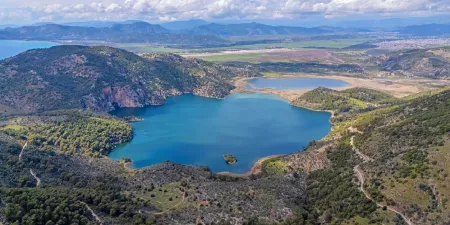
Dalaman in Turkey offers stunning beaches, nature, and history. Check out the best things to do in Dalaman for your next adventure.
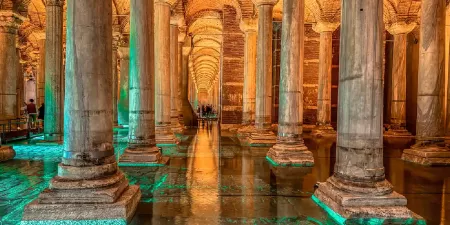
Discover the Basilica Cistern, Istanbul’s hidden underground gem, built by Emperor Justinian with 336 columns and timeless history.
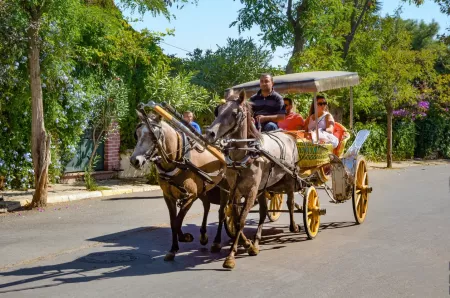
Discover the Princes' Islands in Turkey for a tranquil day of Victorian charm, pine forests, and beaches just a ferry ride from Istanbul! Read More!
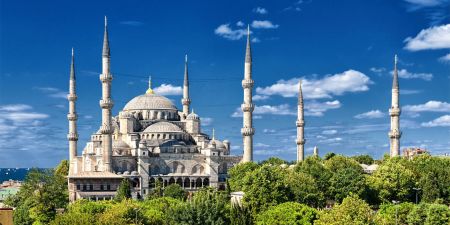
Still figuring out what to do, where to go, when to visit & what sites to see in the mesmerizing city of Istanbul. Then check out our Istanbul Travel Guide for a trip down the discovery lane.
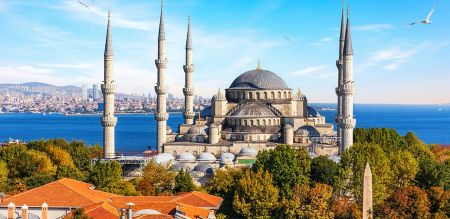
Famous for its sky-blue tiles, The Blue Mosque of Turkey is more than an ancient architectural beauty, it’s a magnificent piece of history. Read on & Discover some of that history & more.
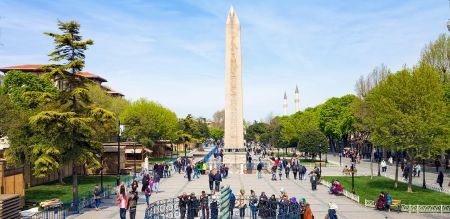
Built by the Romans in AD 203, the Hippodrome of Constantinople is exploding with both Roman & Ottoman history. Read on & Discover more about this magnificent Roman relic in the heart of Turkey.
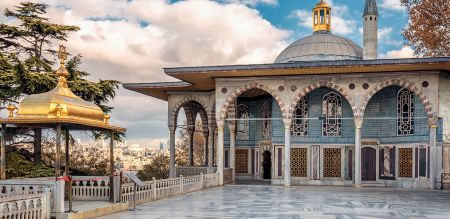
Discover what secrets roam the halls of once the administrative center of the Ottoman sultanate & a majestic palace/ museum, Topkapi Palace check out our article and unravel the marvel of Topkapi Palace.
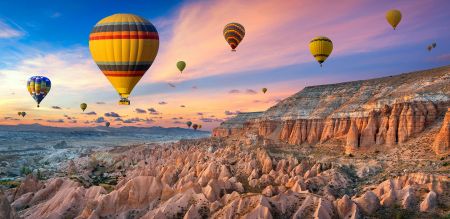
Cappadocia in Turkey is a city referenced by ancient scriptures and beloved by its inhabitants and visitors alike is a truly spectacular place. Discover the runes, caverns, sites, and the adventure awaiting you in Cappadocia.