
 Home
Home
The Fatimid Foundation of Al Muizz Street
The founding of Cairo and the role of Al Muizz li-Din Allah
Urban planning and ceremonial function of the street
From its inception, the street served multiple functions beyond mere transportation. It was carefully designed as a ceremonial route for royal processions, military displays, and religious festivals. Moreover, the street facilitated the Fatimids' projection of power and prestige through architectural grandeur.
Bayn al-Qasrayn: the heart of Fatimid Cairo
Bayn al-Qasrayn became the political and ceremonial heart of Fatimid Cairo, hosting various dynastic ceremonies and serving as the stage for caliphal appearances. Underground tunnels beneath the square allowed the caliph to travel discreetly between palaces and gardens. This arrangement mirrored the original Fatimid royal city at al-Mahdia in Tunisia, representing a deliberate architectural expression of Fatimid authority.
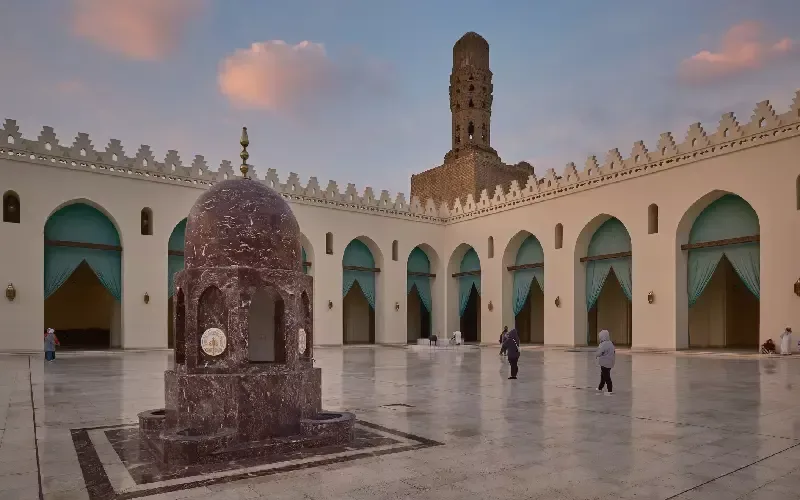
Al Muizz Street was established in 969–970 CE during the founding of Cairo by the Fatimid Caliphate. It served as the main ceremonial and administrative axis of the new capital, lined with palaces, government buildings, and key religious institutions.
Mamluk and Ayyubid Transformations
Following the demise of the Fatimid regime in 1171, Cairo underwent significant transformations under Salah ad-Din (Saladin) and subsequent rulers. The Ayyubid sultans and their Mamluk successors, being Sunni Muslims, progressively replaced Fatimid structures with their own buildings, fundamentally changing Al Muizz Street's character.
Rise of the Mamluks and their architectural legacy
The Mamluk Sultanate, an ethnically diverse dynasty mostly of Turkic origin, initially served as slave soldiers before gaining control of several Muslim states. Despite moving the seat of power to the newly constructed Citadel in the south, Al Muizz Street retained its symbolic importance. Throughout the Mamluk period, the street accumulated major architectural monuments, many still standing today. The Mamluks were skilled artisans renowned for their carved wood and glasswork, influencing craftsmen as far away as Venice.
The Qalawun Complex and its multi-functional design
The Qalawun complex, built between 1284 and 1285 by Sultan al-Mansur Qalawun, stands as one of the major monuments of Islamic Cairo. This remarkable structure took merely 13 months to complete, with the hospital requiring less than six months and both the mausoleum and madrasa taking approximately four months each. The complex consists of a tomb, madrasa, mosque, and hospital arranged on either side of a long central corridor. Its architectural features include rounded horseshoe arches, pink granite columns, and facades decorated with vertical, flat-backed arched recesses.
Educational institutions and the four madhahib
Educational institutions along Al Muizz Street played a crucial role in Islamic scholarship. The madrasa of al-Salih Najm Al-Din Ayyub, constructed in 1243, was the first in Egypt to teach all four madhahib (schools of Islamic jurisprudence) in one place:
- Hanafi – the state-sponsored school, occupying the main iwan
- Shafi'i – situated directly across, slightly smaller
- Maliki and Hanbali – allocated smaller spaces as they were less practiced in Egypt
Sufi lodges and khanqahs along the street
Khanqahs (Sufi monasteries) represented another significant architectural element along Al Muizz Street. The Khanqah of Baybars II, built between 1306 CE and 1310, is the oldest surviving khanqah in modern Cairo. These structures typically adopted introverted schemes to ensure necessary seclusion for Sufis. Furthermore, the Khanqah of Sultan al-Zahir Barquq featured elaborate gatherings of dhikr (remembrance of God), representing the strong Sufi presence in this area.
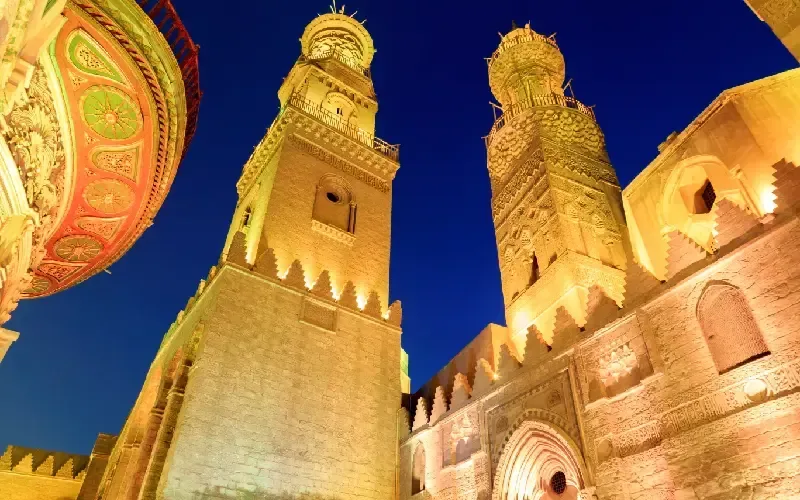
Notable landmarks include the Qalawun Complex, featuring a mosque, madrasa, and mausoleum; the Al-Azhar Mosque, one of the oldest Islamic universities worldwide; and numerous sabil-kuttabs (public water fountains with Quranic schools). The street also houses the Bayt al-Suhaymi, a magnificent example of Ottoman residential architecture.
Ottoman Influence and Continued Development
With the Ottoman conquest of Egypt in 1517, Al Muizz Street entered a new phase of architectural development while gradually experiencing economic decline as Cairo's commercial importance diminished. Nevertheless, the street continued to evolve with distinctive Ottoman contributions to its architectural landscape.
Sabil-Kuttabs and public service architecture
The sabil-kuttab, a dual-purpose structure combining a public water fountain (sabil) on the ground floor with an elementary Quranic school (kuttab) above, became one of the most prevalent building types in Ottoman Cairo. Although these structures existed during the late Mamluk period, they proliferated under Ottoman rule, with numerous surviving examples dating from the 18th century.
The Sabil-Kuttab of Abd al-Rahman Katkhuda (1744), located at the intersection of al-Muizz and Tambakshiya streets, stands as a prime example. This structure features three facades with copper windows fronted by marble basins that once held drinking cups. Inside, the walls were paneled with Ottoman ceramic tiles bearing floral motifs and illustrations of the Great Mosque in Mecca.
The role of Al Muizz Street in Ottoman Cairo
Consequently, Al Muizz Street experienced partial abandonment of central markets and infrastructure neglect as Ottoman governors prioritized provincial administration over urban renewal. International trade routes shifted to favor paths through the Levant and Black Sea to Istanbul, diminishing Egypt's role in spice and silk exchanges.
Bayt al-Suhaymi and domestic architecture of the era
Bayt al-Suhaymi (1648-1796), located in al-Darb al-Asfar Lane intersecting with Al Muizz Street, represents a magnificent example of Ottoman residential architecture. The house consists of two sections: the southern part built by Abdel Wahab al-Tablawi in 1648 and the northern section added by Ismail Shalaby in 1796. Subsequently, both parts were merged into one residence.
The house features strictly separated public (salamlik) and private spaces (haramlik). The ingenious design incorporated climate adaptations including a central courtyard functioning as a temperature regulator, wind catchers (malqaf), and mashrabiyya screens that allowed air circulation while preserving privacy.
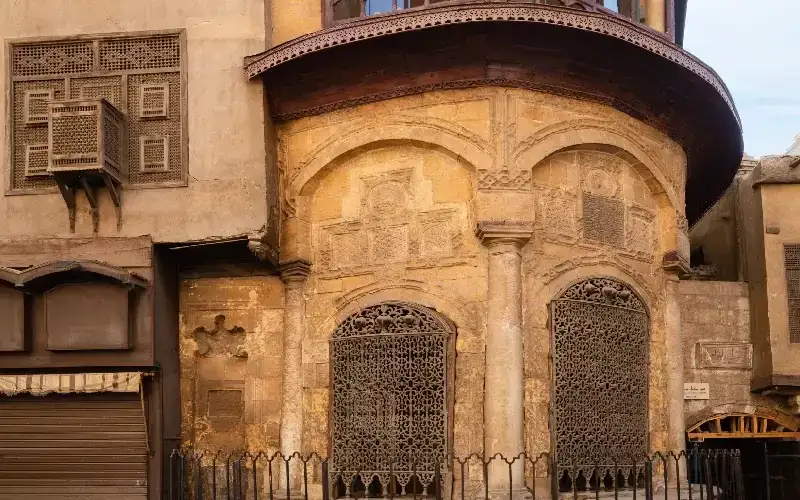
Al Muizz Street showcases a diverse range of Islamic architectural styles, including Fatimid, Ayyubid, Mamluk, and Ottoman. Visitors can observe everything from grand mosques and educational institutions to elaborate commercial buildings and residential compounds, each reflecting the artistic traditions of their respective eras.
Customize Your Dream Vacation!
Get in touch with our local experts for an unforgettable journey.
Plan Your TripModern Restoration and Cultural Legacy
In 1979, Historic Cairo, including Al Muizz Street, earned recognition as a UNESCO World Heritage Site for its extraordinary survival of neighborhoods with exceptional urban fabric and historic monuments. The street today stands as the largest open-air museum for Islamic monuments in the world.
UNESCO World Heritage designation
UNESCO acknowledged Historic Cairo as having "absolutely unquestionable historical, archeological and urban importance". This designation encompasses the entire historic district with Al Muizz Street at its core, recognizing its unparalleled collection of Sabil-s, Masjid-s, Madrasas, and Kuttab-s still integrated into the urban areas they originally served.
Government-led rehabilitation projects since 1997
Since 1997, Al Muizz Street has undergone extensive renovations through a massive rehabilitation project. This comprehensive restoration involved renovating ancient monuments, repaving streets, and modernizing infrastructure. Buildings were repainted in historically accurate colors and returned to their original heights. The Prime Minister established a Steering Committee in 2021 through Decree No 388, forming a temporary administrative structure called the Historic Cairo Regeneration Unit.
Al Muizz Street as a symbol of Cairo's layered history
Today, Al Muizz Street showcases twenty-nine monuments spanning from the 10th to 19th centuries. After renovation, the street transformed into a pedestrian-friendly zone, revolutionizing commercial activities as shops adapted to cater to visitors. The street represents Cairo's journey through multiple Islamic dynasties—Fatimid, Ayyubid, Mamluk, and Ottoman—making it a living testament to Egypt's layered past.
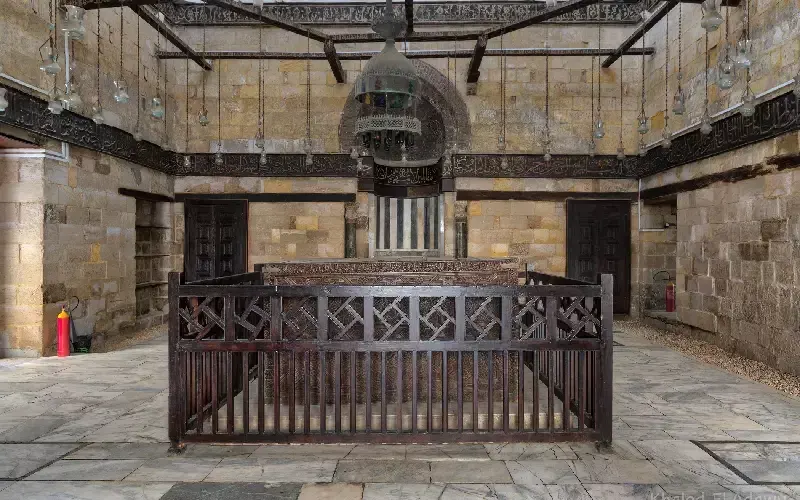
In 1979, Al Muizz Street, as part of Historic Cairo, was designated a UNESCO World Heritage Site. Since 1997, the street has undergone extensive renovation projects, including the restoration of ancient monuments, repaving of streets, and modernization of infrastructure. It has also been transformed into a pedestrian-friendly zone.
Al Muizz Street thus stands as a remarkable testament to Cairo's rich architectural heritage spanning over a millennium. Throughout its history, this ancient thoroughfare witnessed the rise and fall of multiple Islamic dynasties, each leaving distinct imprints on its urban landscape. Fatimid caliphs initially established the street as a ceremonial axis, while Ayyubid and Mamluk rulers subsequently transformed it with educational institutions, religious complexes, and public facilities. Ottoman authorities later added characteristic sabil-kuttabs and domestic architecture that reflected changing social priorities.
Despite periods of decline, Al Muizz Street preserved its historical significance across centuries. The architectural monuments lining this kilometer-long corridor collectively narrate Egypt's complex cultural evolution from the 10th century onward. Therefore, UNESCO's recognition of the street as part of Historic Cairo's World Heritage designation acknowledges its exceptional value as a living museum of Islamic architectural styles.
The street's twenty-nine monuments represent an unparalleled concentration of Islamic architectural achievements. These structures—ranging from grand mosques and madrasas to elaborate commercial buildings and residential compounds—showcase different artistic traditions that evolved under changing political regimes. Additionally, recent restoration efforts have revitalized this historical core, ensuring the preservation of Cairo's layered past for future generations.
Al Muizz Street stretches for approximately one kilometer through the heart of historic Cairo. Today, it functions as the world's largest open-air museum for Islamic monuments, featuring twenty-nine monuments spanning from the 10th to 19th centuries. It serves both as a cultural attraction and a living urban space, with shops and businesses catering to visitors and locals alike.
Al Muizz Street is one of Cairo's oldest and most important thoroughfares, dating back to the 10th century. It was established during the foundation of Cairo by the Fatimid dynasty and has since been a central axis of the city, showcasing architectural marvels from various Islamic dynasties.
Yes, Al Muizz Street is pedestrian-only for most of the day. Vehicle access is restricted to preserve monuments and ensure a peaceful visitor experience. Pedestrian hours usually last from early morning until late evening.
Visitors can explore traditional markets offering brassware, handmade lamps, jewelry, leather goods, textiles, perfumes, and artisanal wooden products. Many crafts sold here reflect techniques preserved for centuries.
A full exploration typically takes 2–4 hours, depending on how many monuments you visit. Some travelers prefer combining the street with nearby Khan El Khalili Bazaar for a half-day cultural experience.
Yes, both private and group guided tours are available. Expert guides provide historical insights on the architecture, dynasties, and restoration projects, helping visitors better understand the street’s significance as a living museum of Islamic Cairo.


Discover the pyramids of giza, Egypt’s iconic wonders. Learn history, tips, and highlights in our complete guide. Start planning your visit today!
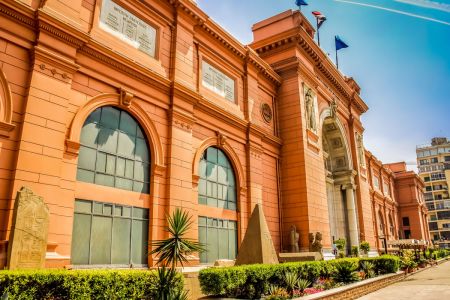
Covering more than 3,000 years, from the Old Kingdom to the Roman period in Egypt. It’s said that if you allowed one minute for each exhibit, it would take nine months to see everything here.
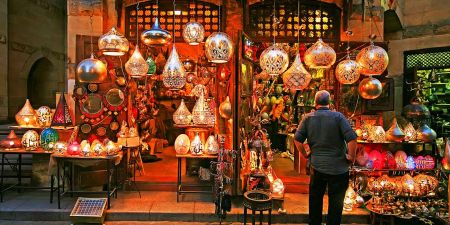
Existing since the Fatimid rule of Egypt, Khan el Khalili is the oldest Bazaars in Cairo always been a purveyor of all that is Precious & rare. Know more about the origins of this mystic bazaar
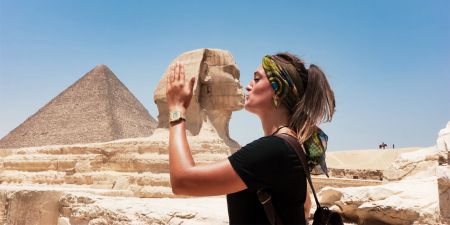
The Giza plateau is filled with Relics of ancient Egypt but few have shared the Reverance and Mysterious origins of the Mighty Sphinx, Dive into the Interesting details about this historical monument.
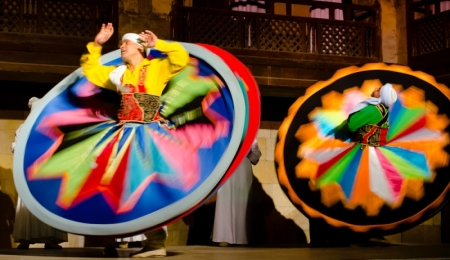
Discover why tanoura show cairo is a traveler’s favorite. Enjoy whirling dervishes, live music, and culture—secure your magical evening now!
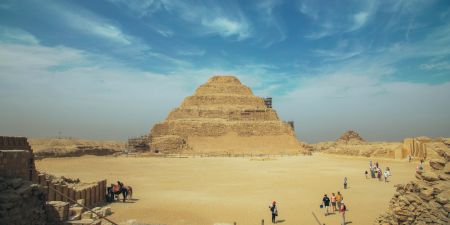
Saqqara was one of Egypt's greatest burial cemeteries, and it had been in use for for 3,000 years. The majority of it is still unexplored, but among the wonders on display is the spectacular Step Pyramid of Zoser.
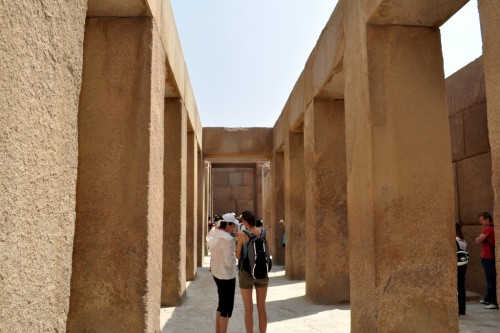
The Valley Temple was buried beneath the sand until it was discovered in 1852 by French Egyptologist Auguste Mariette.
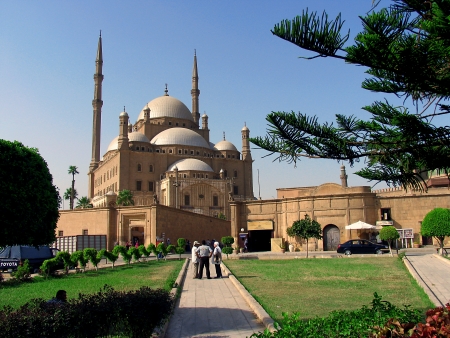
Visit the Saladin Citadel Of Cairo with the iconic Mosque of Muhammad Ali Cairo. Learn history and plan your Cairo adventure now!
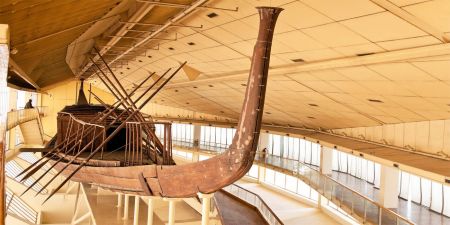
One of the many marvels of ancient Egypt is the Khufu Solar Boat, Residing in the Khufu ship museum. Discover more about this masterpiece, its history, discovery and purpose
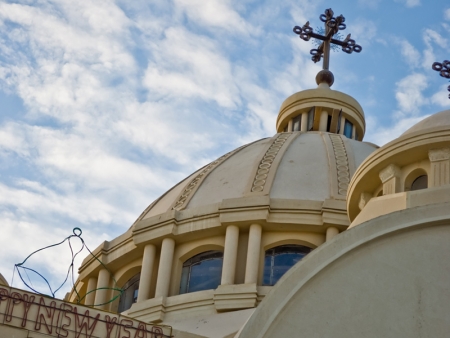
Saint George Church was constructed by Athanasius during the time of Ibn Marwan, Governor of Egypt, and is referenced in the History of the Coptic Patriarchs and by Al-Maqrizi.
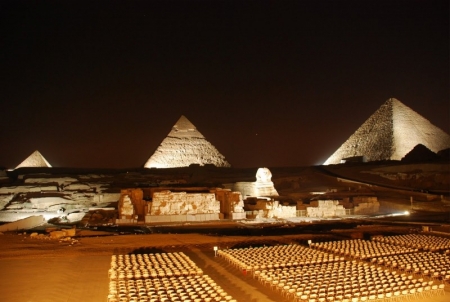
You enjoy the light and sound spectacle near the pyramids and Sphinx. The Sphinx retells history, revealing the world's most ancient mysteries.
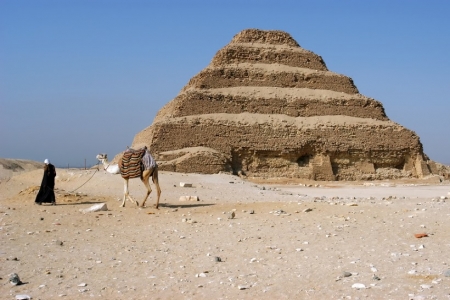
The greatest tomb in Saqqara is that of King Zoser (Djoser), whose Step Pyramid marked the beginning of the Pyramid Age.
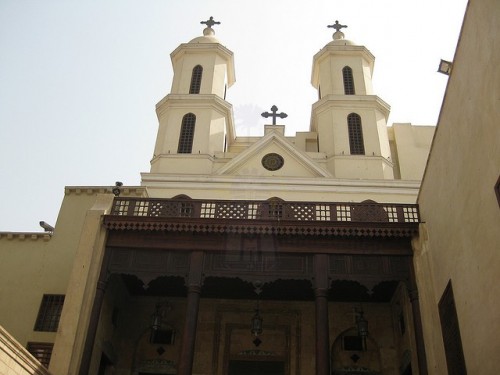
The most well-known church in Cairo is the Al Muallaqa church and one of the oldest in Coptic Egypt. Because it was built above the Babylon Fortress, it is named Al Muallaqa and is devoted to the Virgin Mary.
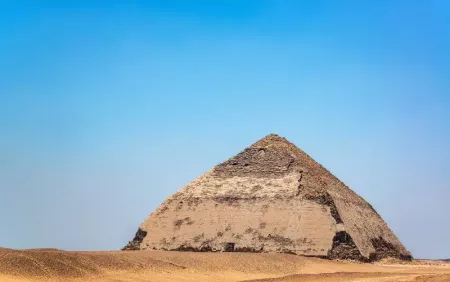
The Bent Pyramid at Dahshur features a rare bent profile created by ancient construction adjustments, offering insight into Egypt’s earliest attempts at smooth-sided pyramids.
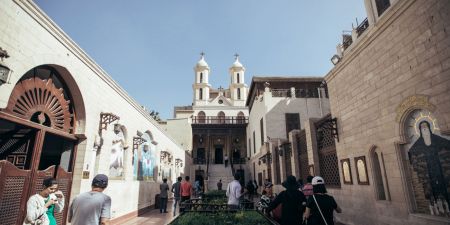
Coptic-cairo reveals Egypt’s Christian heritage through stunning churches and museums. Explore its wonders and plan your unforgettable visit!
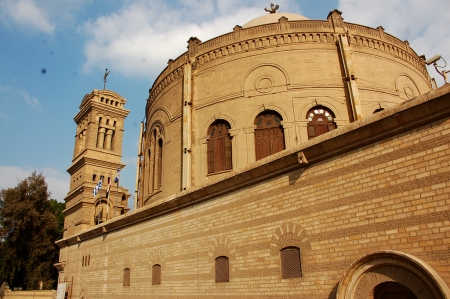
Saint Barbara’s Church in Coptic Cairo is one of Egypt’s oldest Christian monuments, dating back to the 5th–6th century. Known for housing the relics of Saint Barbara, the church reflects centuries of Coptic heritage, architectural evolution, and deep spiritual significance.

Explore the Fortress of Babylon, a major Roman fort in Old Cairo known for its strategic location, massive towers, and enduring historical significance.
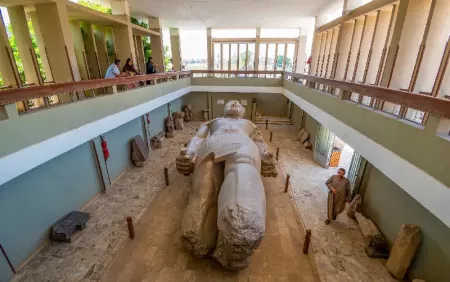
Memphis Necropolis is Egypt’s ancient royal burial site, home to pyramids, tombs, and monuments that reflect the early development of pharaonic civilization.
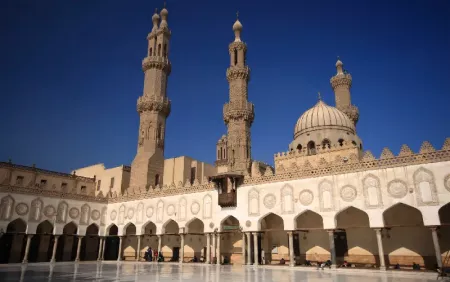
Al-Azhar Mosque is a landmark of Islamic scholarship and Fatimid architecture, home to the world’s second-oldest university and a symbol of Cairo’s spiritual heritage.
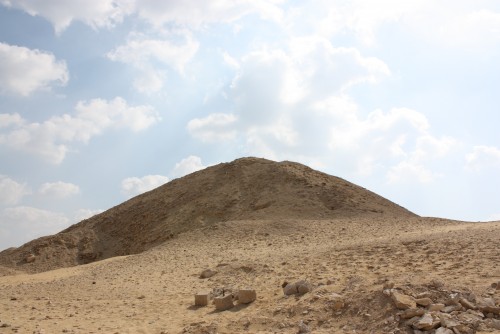
Teti’s Pyramid in Saqqara is an Old Kingdom monument built for the first king of the Sixth Dynasty. Known for its Pyramid Texts and unique mortuary chapel, it remains one of Egypt’s most historically important royal tombs.
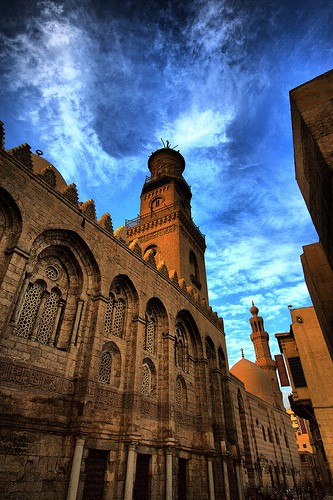
Al Muizz Street is one of Cairo’s oldest and most vibrant historic avenues, showcasing centuries of Islamic architecture. Lined with mosques, palaces, and bustling markets, it offers a captivating walk through Egypt’s medieval past.
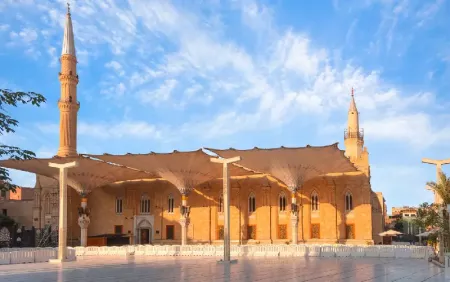
Al-Hussein Mosque is one of Cairo’s most sacred Islamic landmarks, built in 1154 and revered for housing the head of Imam Hussein. Located by Khan El-Khalili, it blends centuries of architectural heritage and remains a major pilgrimage site.
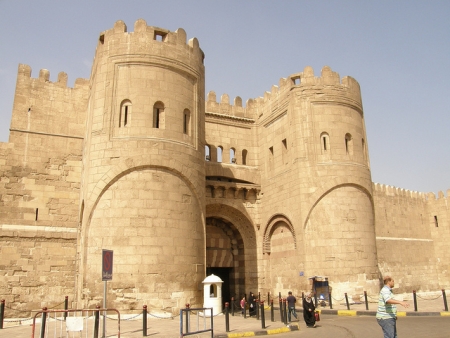
Bab al-Futuh is an 11th-century Fatimid gate in Old Cairo, famous for its massive round towers and strategic role in the city’s medieval fortifications.
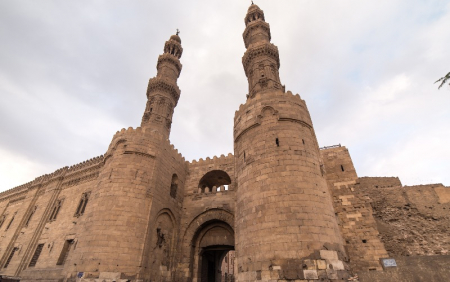
Bab Zuweila is one of Cairo’s last surviving medieval gates, built in 1092 CE by the Fatimid vizier Badr al-Jamali. Famous for its towering twin bastions, massive wooden doors, and later Mamluk minarets, it served as a defensive stronghold, execution site, and ceremonial gateway. Today, it stands as one of Cairo’s most iconic historic monuments.
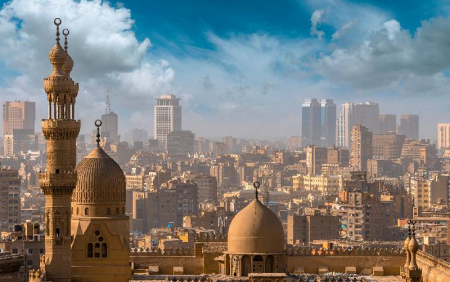
Al Rifai Mosque in Cairo blends Neo-Mamluk architecture with royal history. Completed in 1912, it serves as both a majestic mosque and mausoleum for Muhammad Ali’s family.
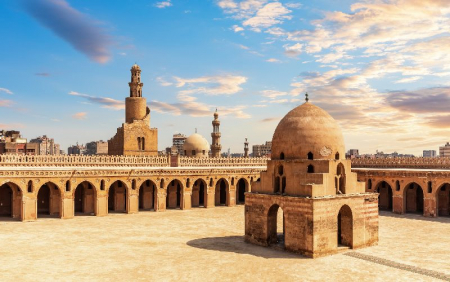
The Ibn Tulun Mosque, Cairo’s oldest well-preserved mosque, dates back to 879 CE. Famous for its vast square layout, intricate arches, and 128 ornate stucco windows, it remains a pinnacle of early Islamic architecture and a must-visit historical landmark.
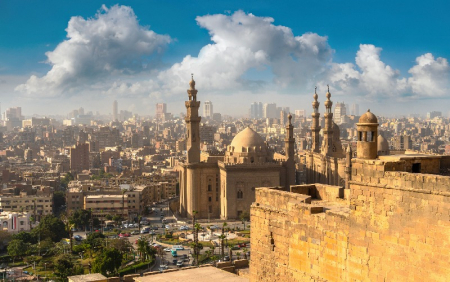
The Sultan Hassan Mosque, built in the 14th century, is a Bahri Mamluk architectural marvel in Cairo, renowned for its grand portal, extensive madrasas, and historic significance.

The Suez Canal, Egypt’s iconic waterway, connects Africa and Asia, handling thousands of ships yearly and shaping international trade.
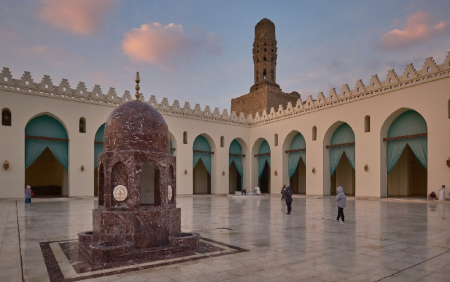
Al-Hakim Mosque, Cairo, is a stunning Fatimid-era mosque built between 990–1013 CE. Famous for its grand courtyard, distinctive minarets, and rich history, it remains a key cultural and religious landmark.
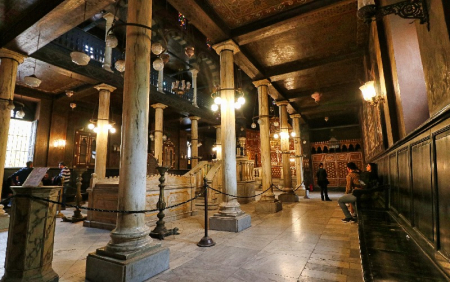
The Ben Ezra Synagogue, founded in the 11th century in Old Cairo, is Egypt’s oldest Jewish monument and the discovery site of the renowned Cairo Geniza.