
 Home
Home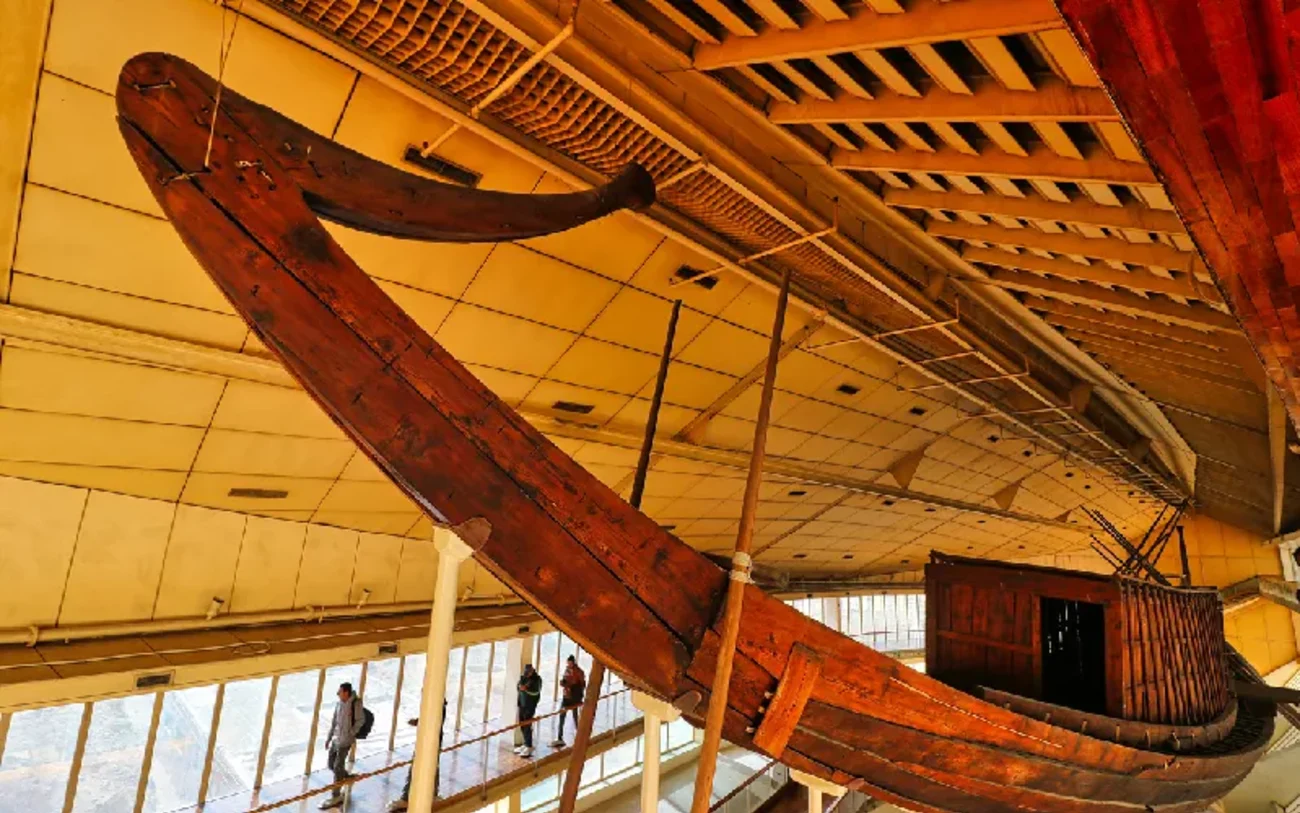
Thousands of years ago, master shipbuilders of ancient Egypt created a remarkable vessel, destined to carry a pharaoh on his journey through eternity. This extraordinary cedar wood boat, known as Khufu's solar boat, was buried beside the Great Pyramid, carefully preserved for millennia until its discovery in 1954. This ancient vessel, stretching 142 feet long and 19 feet wide, stands as a testament to the engineering brilliance of its creators.
Made from Lebanon cedar and assembled with remarkable precision, the boat was constructed without the use of nails. Instead, the builders used ropes and wooden pegs to hold the 1,224 pieces of the boat together. The materials were carefully chosen for their durability and spiritual significance, representing the pharaoh’s strength and eternal journey.
When the boat was uncovered, it was found in near-perfect condition, with the cedar wood still carrying its fragrant scent. The restoration process that followed was a labor of love, taking more than a decade to bring the boat back to life. This painstaking process revealed the advanced shipbuilding techniques of ancient Egypt, showcasing the incredible craftsmanship and ingenuity of its creators.
But the solar boat is much more than a marvel of engineering. It is a symbol of divine kingship, solar mythology, and humanity’s eternal quest for immortality. The boat was designed for one purpose: to accompany the pharaoh on his journey through the afterlife, ensuring he would sail alongside the sun god Ra and navigate the celestial waters into eternity. This boat was not just a physical vessel, but a sacred tool to carry the pharaoh’s soul through the realms of the gods.
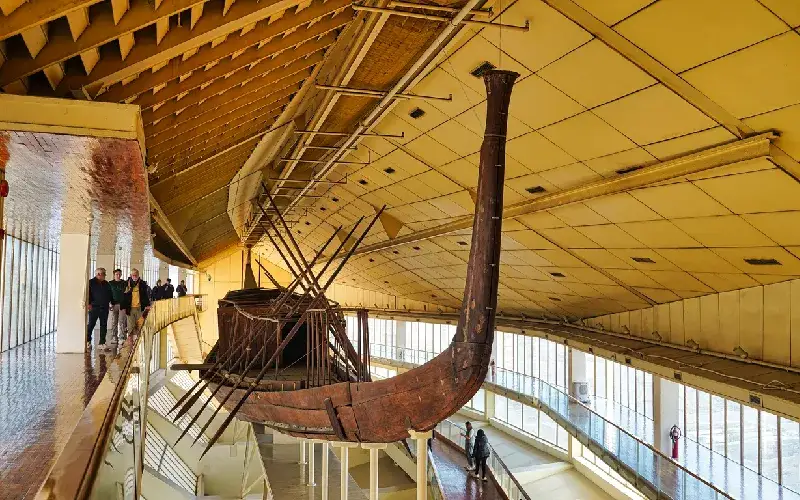
Khufu's solar boat is an ancient Egyptian vessel built from Lebanon cedar around 4,500 years ago. Stretching 142 feet long and 19 feet wide, it was buried beside the Great Pyramid and discovered in 1954. The boat was designed to carry Pharaoh Khufu on his journey through the afterlife alongside the sun god Ra.
The Discovery of the Solar Boat
On May 26, 1954, Egyptian engineer Kamal el-Mallakh made an extraordinary discovery that would forever change our understanding of ancient Egyptian civilization. While excavating the area around the Great Pyramid, he uncovered a hidden chamber containing the disassembled remains of Khufu’s solar boat. The boat was found sealed within a limestone pit, protected for over 4,500 years.
El-Mallakh’s careful excavation revealed not one, but two boat pits, with one holding the remains of the solar boat, its pieces carefully arranged in a logical order. The chamber’s limestone walls had perfectly preserved the wood, allowing for its reconstruction and revealing the boat’s exquisite craftsmanship.
The solar boat was discovered on May 26, 1954, by Egyptian engineer Kamal el-Mallakh. It was found disassembled in a sealed pit near the Great Pyramid, where it had been preserved for over 4,500 years.
Building and Preserving the Solar Boat
The construction of Khufu's solar boat was an achievement that continues to astound archaeologists and historians. The boat was made from Lebanon cedar, a wood known for its strength and aromatic fragrance. This timber was transported across vast distances, 600 kilometers from Lebanon to Egypt, where it was carefully shaped into planks and bound together using ropes made from halfa grass.
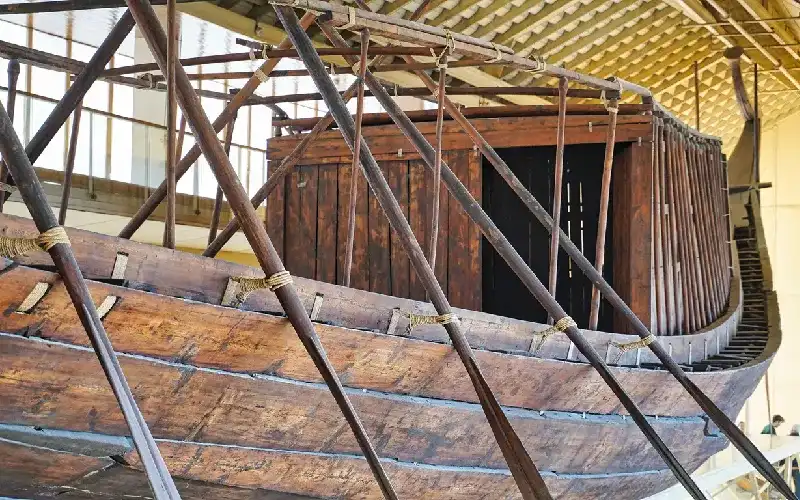
The shipbuilders used a technique called "shell-first" construction, which involved assembling the outer hull of the boat before adding the internal framework. This innovative method allowed the boat to be constructed without the use of metal fasteners, relying instead on mortise-and-tenon joints and rope stitching to hold the pieces together.
Perhaps one of the most fascinating aspects of the construction was the “joggling” technique, where the edges of the planks were carved to fit together like an intricate puzzle. This technique, along with the use of heated timber to create perfect curves, speaks to the extraordinary skill of the ancient shipwrights.
After the boat was discovered, a monumental effort began to reconstruct it. The process took 14 years, as over 1,200 fragments had to be carefully pieced together. Each piece was treated with reverence and studied to understand the original construction methods. Today, the boat stands as a fully restored vessel, a breathtaking example of ancient Egyptian engineering.
The solar boat was made from Lebanon cedar wood, with wooden joints and rope bindings instead of metal fasteners. The "shell-first" construction method and "joggling" technique allowed the planks to interlock without nails.
Customize Your Dream Vacation!
Get in touch with our local experts for an unforgettable journey.
Plan Your TripThe Purpose and Symbolism of the Solar Boat
The solar boat was more than just a mode of transportation—it was a divine vessel designed for the pharaoh’s journey into the afterlife. Ancient Egyptian beliefs held that the pharaoh would travel with the sun god Ra, sailing across the sky during the day and descending into the underworld at night. The boat symbolized the eternal cycle of death, rebirth, and the struggle between order and chaos.
Scholars have debated the exact purpose of the boat. Some believe it was used in the pharaoh’s funeral procession, carrying his body to his final resting place. Others suggest that the boat was intended to serve as a spiritual vessel for the pharaoh’s soul, allowing him to join the sun god on his celestial voyage. Either way, the solar boat is a symbol of the pharaoh’s divine nature and his eternal journey through the afterlife.
The term "solar barque" refers to the boat's connection to Ra’s daily journey across the heavens. This was a cosmic journey, representing the pharaoh’s right to join Ra’s celestial procession and sail through the starry heavens forever.
The Solar Boat Museum and Its Legacy
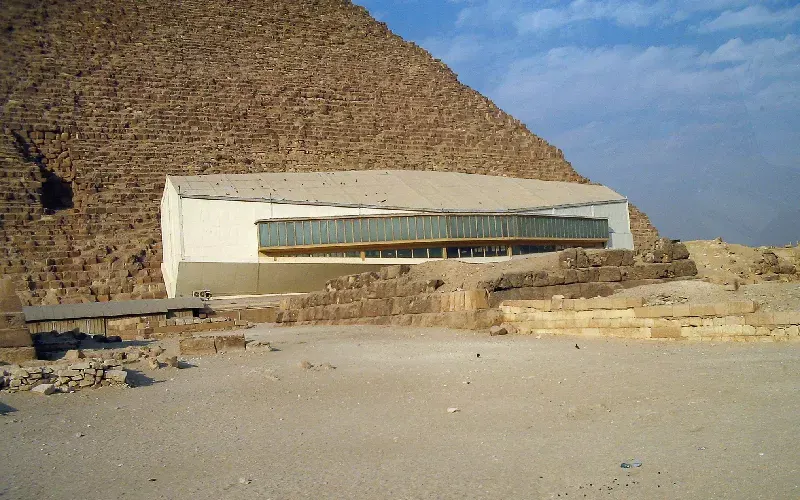
The journey of the solar boat didn’t end with its restoration. The boat has become a symbol of ancient Egypt’s enduring legacy, a connection between the past and the present. For decades, the boat was housed in a museum near the Great Pyramid, where visitors could view it in its original resting place. In 2021, the boat was relocated to the Grand Egyptian Museum, where it now resides alongside other ancient artifacts that tell the story of Egypt’s glorious past.
Visitors to the museum can see the fully restored solar boat, which has become one of the most celebrated relics of ancient Egypt. The second boat, which is currently undergoing restoration, allows visitors to witness the meticulous process of bringing ancient artifacts back to life. This ongoing project is a tribute to the craftsmanship and dedication of those who have worked to preserve Egypt’s rich history.
The solar boat of Khufu is much more than a relic of the past. It is a testament to the ingenuity and spiritual devotion of ancient Egypt, a civilization that sought to conquer death and achieve immortality. The boat’s construction, its symbolic connection to the afterlife, and its incredible preservation all speak to the enduring legacy of this remarkable civilization.
The boat stands as a bridge between the world of the living and the realm of the gods, offering modern visitors a tangible connection to the ancient world. It carries with it the stories of the pharaohs and the people who built it, ensuring that the wisdom of ancient Egypt will continue to sail through time.
Khufu's Solar Boat at a Glance
- Ancient Craftsmanship: The solar boat was built without nails, using a combination of rope and wooden joints, showcasing ancient Egyptian shipbuilding techniques that still amaze modern engineers.
- Spiritual Significance: The boat served as a divine vessel for the pharaoh’s journey through the afterlife, representing the eternal cycle of life, death, and rebirth.
- A Monumental Reconstruction: The boat’s restoration took 14 years, during which over 1,200 wooden fragments were carefully pieced together to bring the vessel back to life.
- Public Display: The solar boat is now housed in the Grand Egyptian Museum, where visitors can see the fully assembled vessel and witness the ongoing restoration of a second boat.
The solar boat was a divine vessel for the pharaoh’s journey through the afterlife. It symbolized the eternal cycle of death, rebirth, and the battle between order and chaos, reflecting the pharaoh’s connection to the sun god Ra.
It took 14 years to reconstruct the solar boat. The process involved carefully reassembling over 1,200 fragments, with extensive research into ancient shipbuilding techniques.
The solar boat is currently housed at the Grand Egyptian Museum. Visitors can see the fully assembled first boat and witness the ongoing restoration of a second solar boat.
Shell-first construction involved assembling the outer hull of the boat before adding the internal framework. This innovative method allowed the boat to be built without metal fasteners, relying instead on rope stitching and wooden joints—a technique that continues to astound modern engineers.
The solar boat served as a divine vessel for the pharaoh's journey into the afterlife. It was designed to allow the pharaoh to travel with the sun god Ra, sailing across the sky during the day and descending into the underworld at night, symbolizing the eternal cycle of death and rebirth.
Scholars debate whether the boat was actually used in the pharaoh's funeral procession on the Nile or was built purely as a symbolic spiritual vessel. Evidence suggests it may have been used at least once, though its primary purpose was spiritual—to serve the pharaoh in the afterlife.
The term "solar barque" refers to the boat's connection to Ra's daily journey across the heavens. This cosmic journey represented the pharaoh's right to join Ra's celestial procession and sail through the starry heavens forever.
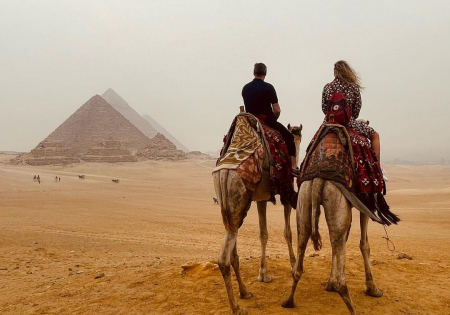
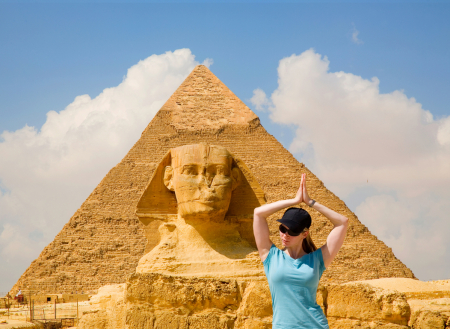

The Great Pyramids of Giza, Egypt’s iconic monuments, showcase ancient engineering brilliance and remain the last wonder of the ancient world, continuing to fascinate visitors and researchers alike.

The Egyptian Museum in Cairo houses over 170,000 ancient artifacts, including Tutankhamun's complete collection and golden death mask. Opened in 1902, it's the world's largest repository of Egyptian antiquities.

Khan el-Khalili is Cairo’s legendary medieval bazaar, where centuries-old Islamic architecture, vibrant trade, and timeless cafés create a living cultural landmark.

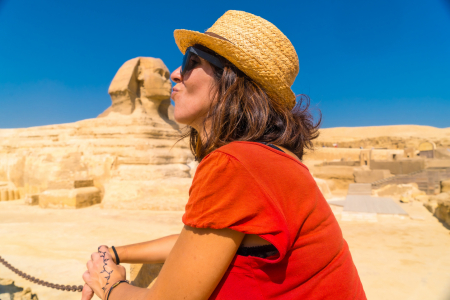
The Great Sphinx of Giza, with its lion body and pharaoh head, represents ancient Egyptian artistry, symbolic power, and enduring cultural fascination.

Tanoura is a traditional Egyptian Sufi dance known for its colorful spinning skirts, spiritual rhythm, and deep roots in ancient mystic traditions.

Saqqara, Egypt's ancient necropolis, features Djoser's Step Pyramid—the world's oldest. Spanning 3,000 years, it preserves royal tombs and sacred animal burials.

The Valley Temple at Giza, built 2570 BCE by Khafre, features 16 granite columns and hosted sacred afterlife rituals. Explore Fourth Dynasty architecture.

The Citadel of Cairo is a historic medieval fortress and royal complex, showcasing centuries of Egyptian power, Mamluk architecture, and Islamic heritage, now preserved as a UNESCO World Heritage Site.

Khufu's Solar Boat is a 142-foot cedar vessel discovered 1954 near the Great Pyramid. Built without nails 4,500 years ago, it's now at Grand Egyptian Museum.

St. George Church in Old Cairo, founded 684 AD, features unique circular design, sacred healing relics & underground chapel linked to the Holy Family's refuge.

Pyramids Sound and Light Show transforms Giza into open-air theater with 50 minutes of narration, music & lighting bringing ancient Egyptian history alive.

The Djoser Pyramid at Saqqara is Egypt's first pyramid, built 2600 BCE by architect Imhotep. Standing 62.5m tall, it reopened to visitors in 2020.

The Hanging Church in Old Cairo is a 1,300-year-old Coptic sanctuary built on Babylon Fortress. Free entry, open daily 9 AM-5 PM, dress modestly required.
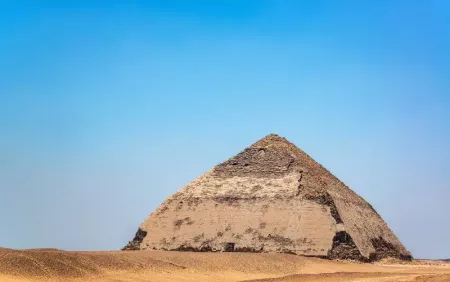
The Bent Pyramid at Dahshur features a rare bent profile created by ancient construction adjustments, offering insight into Egypt’s earliest attempts at smooth-sided pyramids.

Coptic Cairo features 4th-century churches and recent tomb discoveries revealing early Christian heritage. Explore the Hanging Church, Abu Serga & sacred sites.
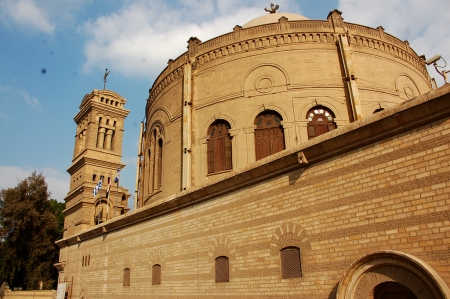
Saint Barbara’s Church in Coptic Cairo is one of Egypt’s oldest Christian monuments, dating back to the 5th–6th century. Known for housing the relics of Saint Barbara, the church reflects centuries of Coptic heritage, architectural evolution, and deep spiritual significance.

Explore the Fortress of Babylon, a major Roman fort in Old Cairo known for its strategic location, massive towers, and enduring historical significance.
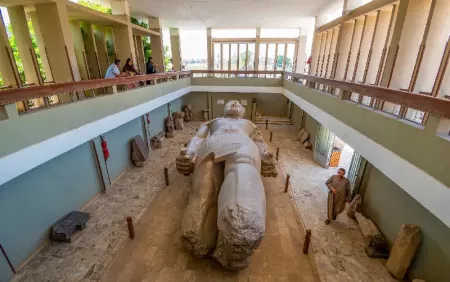
Memphis Necropolis is Egypt’s ancient royal burial site, home to pyramids, tombs, and monuments that reflect the early development of pharaonic civilization.
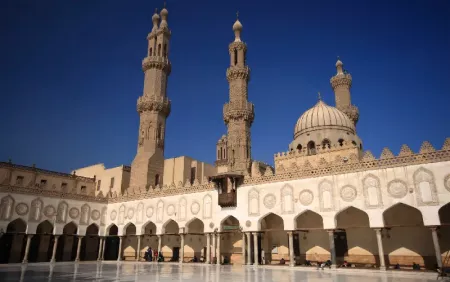
Al-Azhar Mosque is a landmark of Islamic scholarship and Fatimid architecture, home to the world’s second-oldest university and a symbol of Cairo’s spiritual heritage.
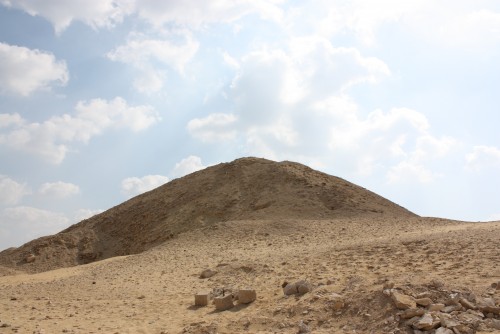
Teti’s Pyramid in Saqqara is an Old Kingdom monument built for the first king of the Sixth Dynasty. Known for its Pyramid Texts and unique mortuary chapel, it remains one of Egypt’s most historically important royal tombs.
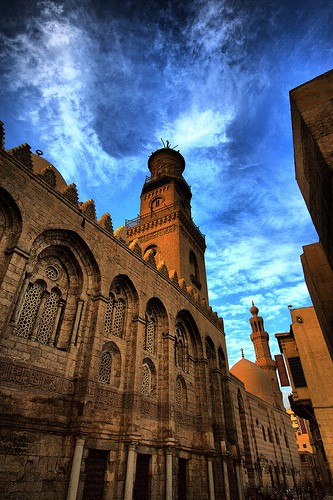
Al Muizz Street is one of Cairo’s oldest and most vibrant historic avenues, showcasing centuries of Islamic architecture. Lined with mosques, palaces, and bustling markets, it offers a captivating walk through Egypt’s medieval past.
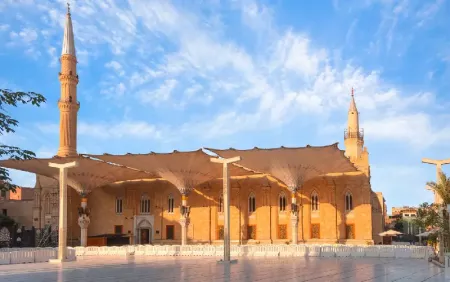
Al-Hussein Mosque is one of Cairo’s most sacred Islamic landmarks, built in 1154 and revered for housing the head of Imam Hussein. Located by Khan El-Khalili, it blends centuries of architectural heritage and remains a major pilgrimage site.
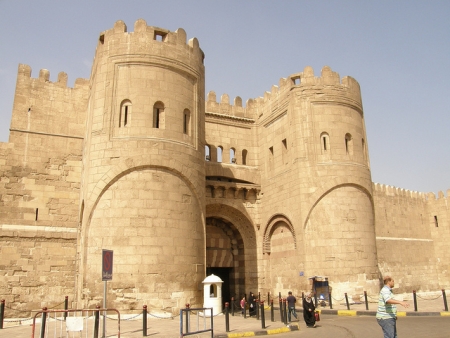
Bab al-Futuh is an 11th-century Fatimid gate in Old Cairo, famous for its massive round towers and strategic role in the city’s medieval fortifications.
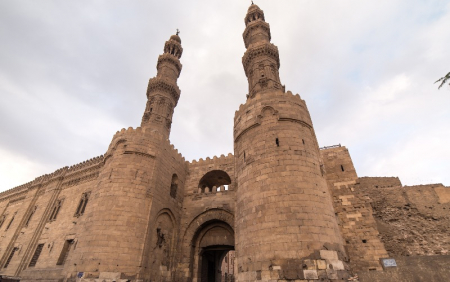
Bab Zuweila is one of Cairo’s last surviving medieval gates, built in 1092 CE by the Fatimid vizier Badr al-Jamali. Famous for its towering twin bastions, massive wooden doors, and later Mamluk minarets, it served as a defensive stronghold, execution site, and ceremonial gateway. Today, it stands as one of Cairo’s most iconic historic monuments.
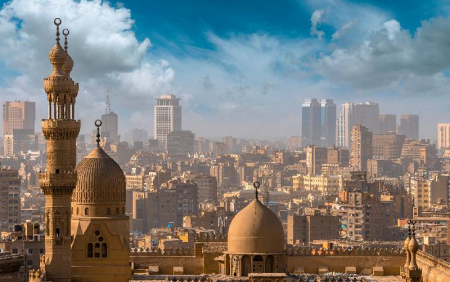
Al Rifai Mosque in Cairo blends Neo-Mamluk architecture with royal history. Completed in 1912, it serves as both a majestic mosque and mausoleum for Muhammad Ali’s family.
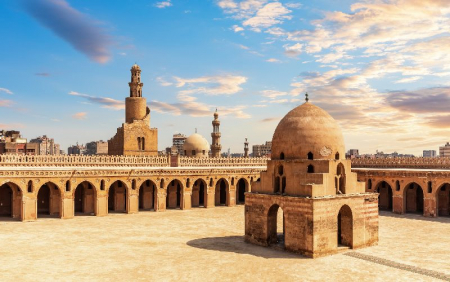
The Ibn Tulun Mosque, Cairo’s oldest well-preserved mosque, dates back to 879 CE. Famous for its vast square layout, intricate arches, and 128 ornate stucco windows, it remains a pinnacle of early Islamic architecture and a must-visit historical landmark.
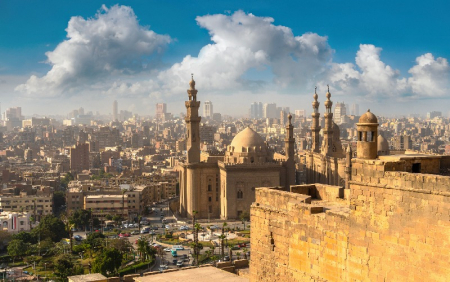
The Sultan Hassan Mosque, built in the 14th century, is a Bahri Mamluk architectural marvel in Cairo, renowned for its grand portal, extensive madrasas, and historic significance.

The Suez Canal, Egypt’s iconic waterway, connects Africa and Asia, handling thousands of ships yearly and shaping international trade.
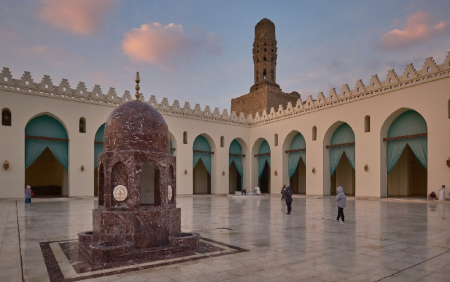
Al-Hakim Mosque, Cairo, is a stunning Fatimid-era mosque built between 990–1013 CE. Famous for its grand courtyard, distinctive minarets, and rich history, it remains a key cultural and religious landmark.
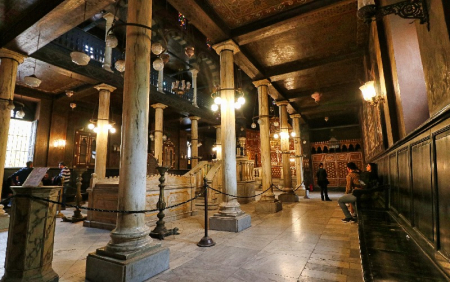
The Ben Ezra Synagogue, founded in the 11th century in Old Cairo, is Egypt’s oldest Jewish monument and the discovery site of the renowned Cairo Geniza.