Home
Home
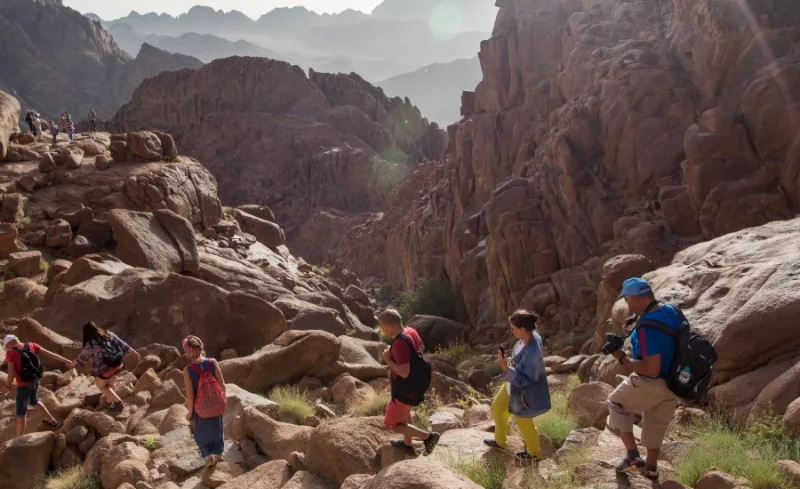
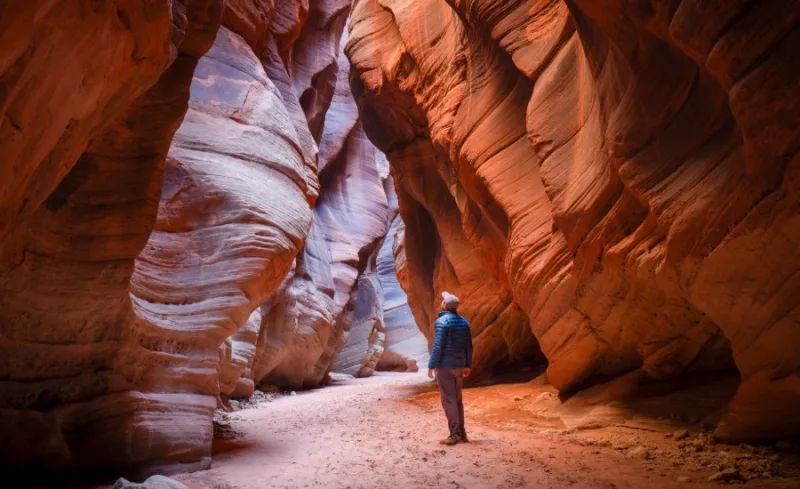
Nestled within the rugged mountains of Egypt's Sinai Peninsula, the Colored Canyon stands as one of nature's most spectacular artistic masterpieces. This geological wonder, carved by millennia of flash floods and wind erosion, presents visitors with a kaleidoscope of vibrant rock formations that seem almost too magnificent to be real.
The canyon's walls rise dramatically overhead, creating narrow passages where sunlight filters through, illuminating bands of red, yellow, purple, and orange sandstone in an ever-changing display of natural artistry. Each twist and turn reveals new formations, making every step an adventure into Earth's ancient history.
Geological Marvel: Understanding the Canyon's Formation
The Colored Canyon represents approximately 500 million years of geological history, formed through the gradual erosion of Nubian sandstone. The striking colors result from varying mineral compositions within the rock layers—iron oxides create the brilliant reds and oranges, while manganese deposits contribute to the deeper purples and browns.
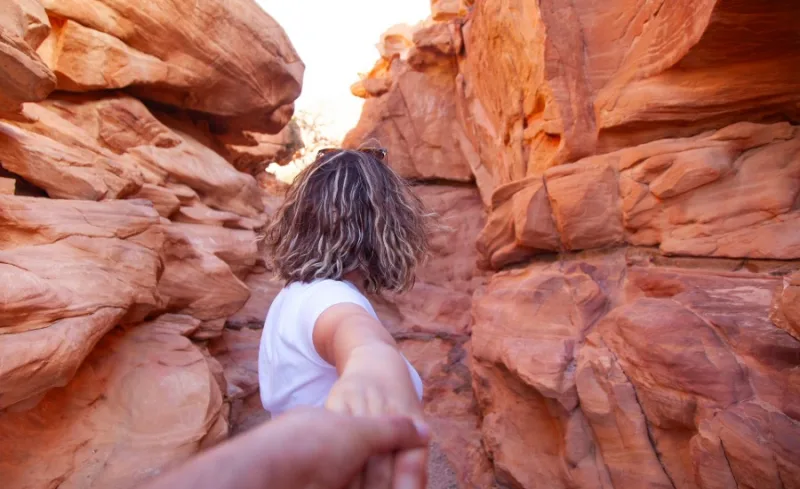
During rare flash floods, water rushes through these narrow passages with tremendous force, continuously sculpting and refining the canyon's intricate formations. The process has created smooth, curved walls that reach heights of up to 40 meters, with some passages so narrow that only one person can pass through at a time.
The stratified rock layers tell the story of ancient seas, desert environments, and climatic changes that occurred long before human civilization. Geologists have identified distinct periods where different environmental conditions left their mark on these magnificent walls.
A1: A complete exploration typically takes 2-3 hours, depending on your pace and photography stops.
Historical Significance and Bedouin Heritage
Beyond its geological importance, the Colored Canyon holds deep cultural significance for the local Bedouin communities who have inhabited the Sinai Peninsula for centuries. These nomadic tribes have used the canyon as shelter during sandstorms and as a landmark for navigation across the desert.
Ancient trade routes once passed near this area, connecting Africa with Asia and Europe. Merchants traveling the Silk Road would have marveled at these same formations, though the canyon itself remained largely unknown to the outside world until recent decades.
Local Bedouin guides possess invaluable knowledge passed down through generations, including understanding of weather patterns, safe passage routes, and the best times to visit for optimal lighting conditions. Their stories and legends add a rich cultural dimension to the geological wonder.
Adventure Awaits: Hiking Routes and Exploration
The primary hiking route through the Colored Canyon begins at the main entrance near Nuweiba and follows a well-established path through the most spectacular sections. The trail is considered moderate difficulty, suitable for most fitness levels, though some scrambling over rocks is required.
The Classic Route takes visitors through the narrowest sections where walls tower overhead, creating cathedral-like chambers filled with filtered light. This 2-kilometer journey includes several photo-worthy spots where the rock formations create natural frames and archways.
For more adventurous explorers, extended routes lead deeper into the canyon system, revealing hidden chambers and less-visited formations. These require more time and potentially overnight camping, making them ideal for serious hikers and geology enthusiasts.
The terrain varies from sandy washes to rocky scrambles, with some sections requiring careful navigation around boulders and through tight squeezes. Proper footwear with good grip is essential for safe exploration.
A2: While independent visits are possible, hiring a local Bedouin guide enhances safety and provides invaluable cultural insights and navigation expertise.
Capturing the Perfect Shot: Photography and Viewpoints
The Colored Canyon offers extraordinary photography opportunities throughout the day, with lighting conditions creating dramatically different moods and color intensities. Early morning light (7-9 AM) produces soft, warm tones that highlight the subtle color variations in the rock.
Midday photography (11 AM-1 PM) creates striking contrasts between the brightly lit upper walls and shadowed lower sections, perfect for dramatic black-and-white compositions or high-contrast color images.
The Golden Hour (4-6 PM) transforms the canyon into a glowing wonderland, where the sandstone walls seem to emit their own light. This timing is particularly spectacular for capturing the interplay between light and shadow in the narrow passages.
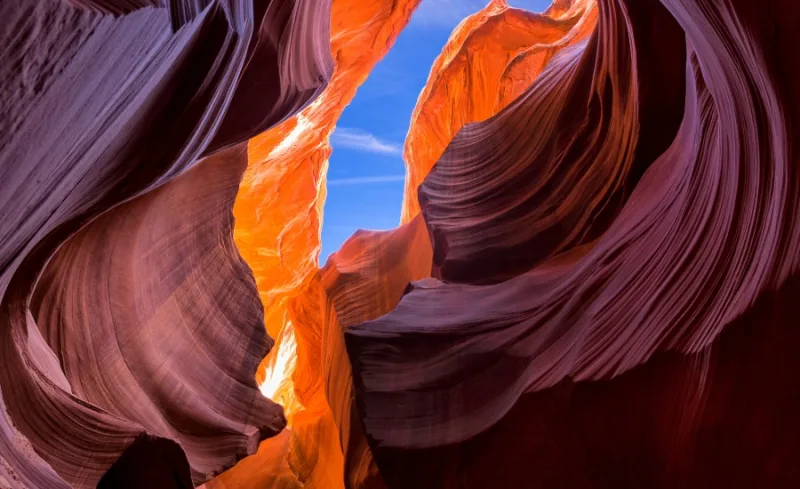
Key viewpoints include the Cathedral Chamber, where soaring walls create a natural amphitheater, and the Spiral Formation, where erosion has carved distinctive curved patterns into the rock face.
Guided Tours and Local Expertise
Professional Bedouin guides offer invaluable services that transform a simple hike into an educational journey. These experienced locals provide insights into geological formations, point out easily missed details, and ensure visitor safety throughout the expedition.
Half-day tours typically include transportation from Dahab or Nuweiba, guided canyon exploration, and traditional Bedouin tea service. Full-day excursions may combine the Colored Canyon with visits to nearby attractions like the White Canyon or Blue Hole.
Many guides speak multiple languages and can customize tours based on specific interests—whether focusing on geology, photography, or cultural history. They also carry essential safety equipment and know alternative routes in case of unexpected weather conditions.
Group tours offer cost-effective options for budget travelers, while private guided experiences provide personalized attention and flexible scheduling for families or photography enthusiasts.
The main route is family-friendly for children over 8 years old, though parents should supervise carefully in narrow sections and bring plenty of water.
Customize Your Dream Vacation!
Get in touch with our local experts for an unforgettable journey.
Plan Your Trip
Seasonal Considerations and Optimal Timing
Winter months (November-March) provide the most comfortable conditions for canyon exploration, with daytime temperatures ranging from 20-25°C (68-77°F). Clear skies and minimal rainfall make this the peak season for visitors.
Spring and autumn (April-May, September-October) offer excellent conditions with moderate temperatures and fewer crowds. These shoulder seasons provide optimal photography lighting without the intense summer heat.
Summer visits (June-August) require early morning starts due to extreme temperatures that can exceed 40°C (104°F). However, summer also offers unique opportunities to experience the canyon's cooling effect and dramatic thermal contrasts.
Flash flood risks are highest during winter months, though actual flooding events are rare. Local guides monitor weather conditions and can advise on safety considerations for each season.
Desert Ecology and Wildlife
Despite the harsh desert environment, the Colored Canyon supports a surprising variety of adapted wildlife species. Rock hyraxes inhabit the canyon walls, while various lizard species have evolved to thrive in the extreme temperature variations.
Desert plants including hardy succulents and drought-resistant shrubs grow in protected alcoves where occasional water collection occurs. These plants play crucial roles in preventing erosion and providing habitat for insects and small mammals.
Bird species such as desert larks and brown-necked ravens nest in the canyon's upper reaches, while migrating birds sometimes use the formation as a landmark during seasonal journeys.
The delicate desert ecosystem requires visitor respect—staying on established paths protects fragile plant communities and prevents disturbance to wildlife habitats.
The main route is family-friendly for children over 8 years old, though parents should supervise carefully in narrow sections and bring plenty of water.
Essential Planning Information
Getting There: The Colored Canyon is located approximately 90 kilometers north of Dahab and can be reached by car or organized tour. The final approach requires a short drive on unpaved roads suitable for most vehicles.
What to Bring: Essential items include plenty of water (at least 2 liters per person), sun protection, sturdy hiking shoes, and a camera. Snacks and a basic first aid kit are recommended for longer explorations.
Accommodation: Nearby options include Bedouin camps offering traditional desert experiences, or return to coastal towns like Dahab or Nuweiba for hotel accommodations.
Permits and Fees: Access requires payment of entrance fees, typically collected by local Bedouin communities who maintain the area and provide guide services.
The Colored Canyon represents one of Egypt's most accessible yet spectacular natural wonders, offering visitors an unforgettable journey through geological time. Whether you're drawn by the scientific marvel of its formation, the adventure of exploration, or simply the breathtaking beauty of its colored walls, this hidden gem of the Sinai Peninsula promises memories that will last a lifetime.
A4: Prices typically range from $30-50 per person for group tours, with private guides charging $100-150 for full-day experiences including transportation.
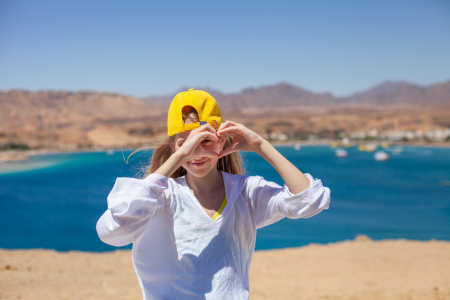
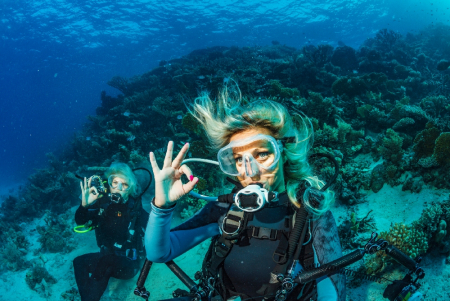
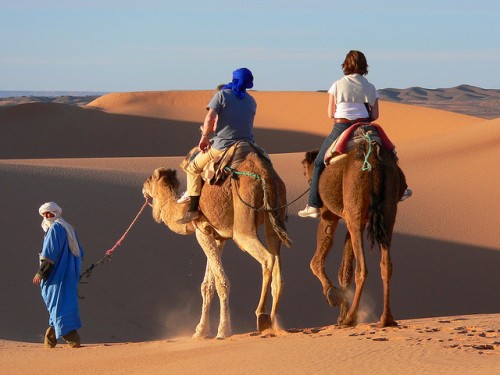
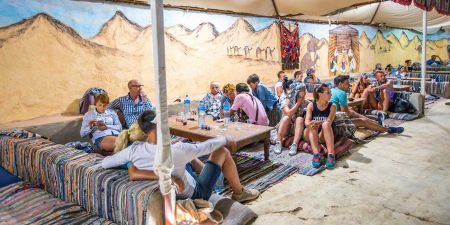
Sharm El Sheikh is a sunny seaside town of long sandy beaches and excellent water sports facilities. Memphis Tours will tell you what to do in Sharm El Sheikh!

Hurghada is Egypt's most famous and oldest resort. Because of the clean clear blue water of the Red Sea and an abundance of marine life as Hurghada is renowned as one of Egypt's primary capitals of snorkeling and scuba diving.
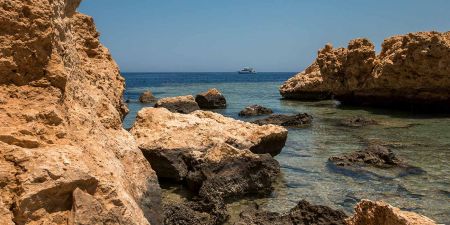
Ras Muhammad National Park is located on the Sinai Peninsula in Egypt and is one of the most famous national parks in Egypt as over 220 species of coral exist in Ras Mohammed National Park.
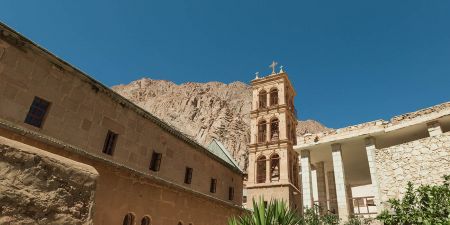
The most stunning locations within the Sinai Region of Egypt are undoubtedly Mount Sinai and Saint Catherine’s Monastery. Discover more about these two majestical locations within this diverse location with our article.
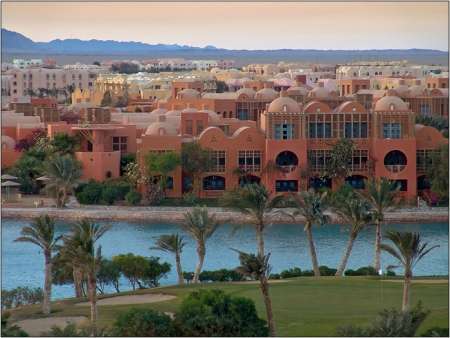
El Gouna on Egypt's Red Sea is one of the irresistible resorts in Egypt and it is noted for its lagoons and is situated along the coast and on tiny islands.

Marsa Alam became a well-known vacation spot. Marsa Alam is one of the greatest places for diving and snorkeling with a view of the Red Sea with its crystal water.

The Resort of Soma Bay is situated on the beautiful shores of the Red Sea in Egypt. Soma Bay is known for having the most magnificent sandy beaches on the Red Sea, as well as panoramic views of the desert mountains and blue sky all year.
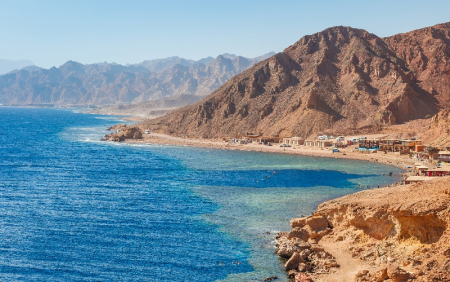
Dahab is a relaxed Sinai beach town famed for diving, Bedouin heritage, and its unique appeal to independent travelers and adventure seekers.
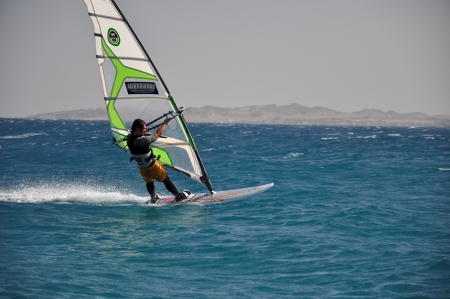
Makadi Bay is an Egyptian tourist town. On the Red Sea, roughly 30 kilometers south of Hurghada. With the turquoise waters and beautiful desert landscape of Makadi Bay.
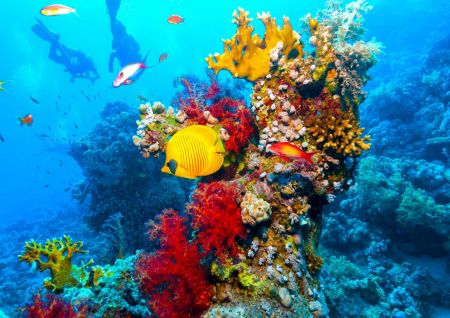
Safaga is well-known for its clean air, black sand dunes, and mineral springs
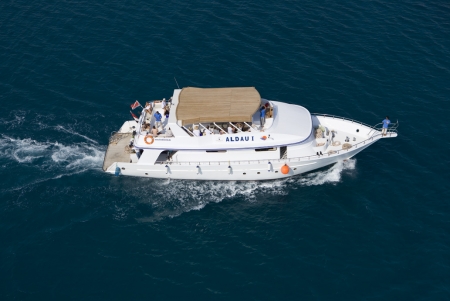
Port Ghalib, a stunning port with its own folklore that is today a booming marina and tourist resort, is close to Marsa Alam International Airport and thus extremely simple to get directly off the aircraft.
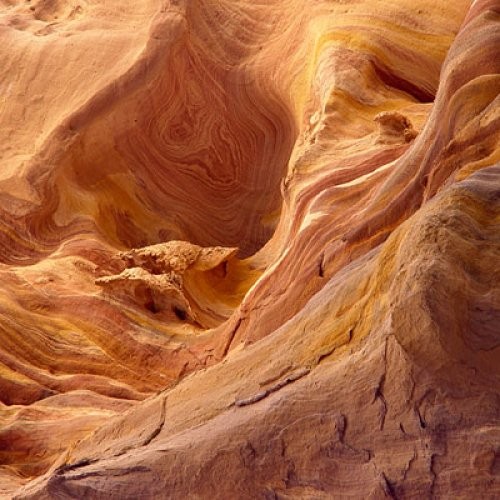
The breathtaking scenery of the Coloured Canyon is located about two to three hours from Sharm El Sheikh and about two hours from Dahab.
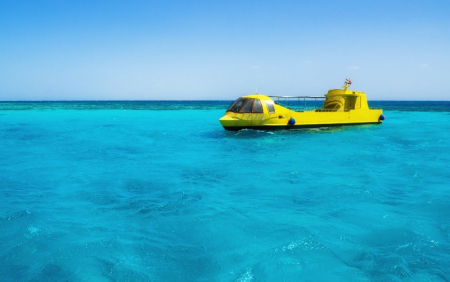
Sindbad Submarine offers a unique underwater adventure in Hurghada, letting visitors explore the Red Sea's coral reefs and marine life safely and comfortably.