
 Home
Home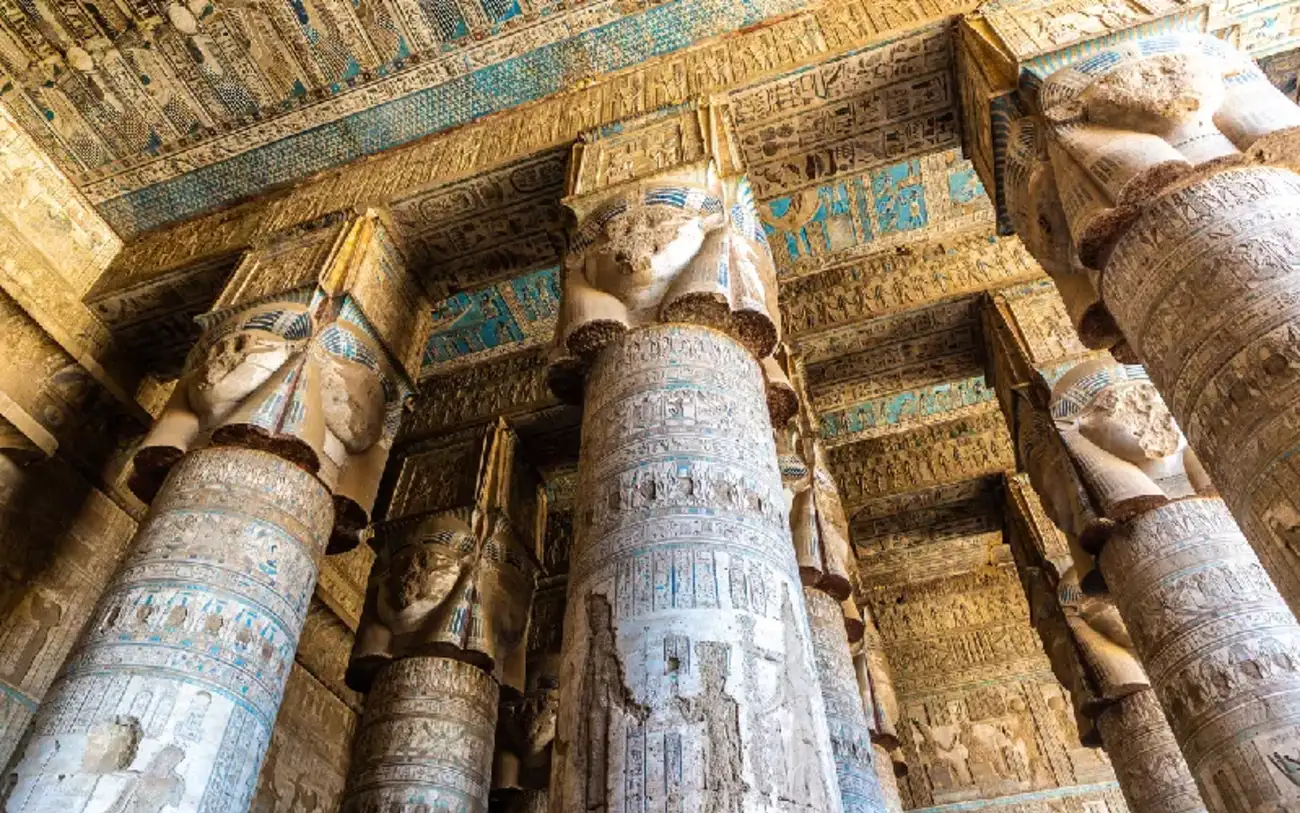
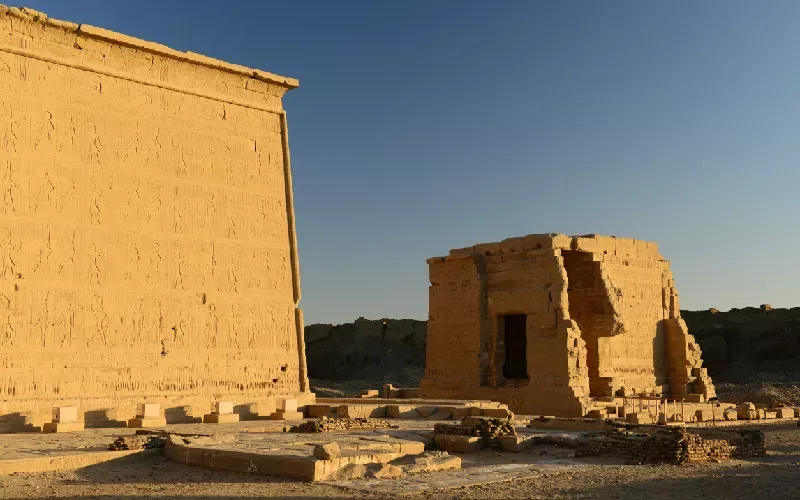
Spread across nearly four hectares of sacred land, the Dendera Temple Complex stands as one of the most breathtakingly preserved monuments in all of Egypt. Walking through its massive stone gateways feels less like visiting a ruin and more like stepping into a living chapter of ancient history , where walls still glow with color and silence carries the weight of forgotten prayers.
Located about 60 kilometers north of Luxor on the west bank of the Nile, Dendera is dedicated to Hathor, the goddess of love, joy, music, motherhood, and healing. Unlike Egypt’s more famous temples, Dendera remains relatively uncrowded, offering visitors a rare sense of intimacy with the ancient world. What truly sets this temple apart, however, is not just its beauty—it was once Egypt’s most important center for divine healing, attracting pilgrims from across the land in search of physical and spiritual renewal.
Surrounded by towering mudbrick walls that still encircle the entire complex, Dendera feels protected, timeless, and deeply mystical. It is a place where architecture, medicine, astronomy, and religion merge into one extraordinary experience.
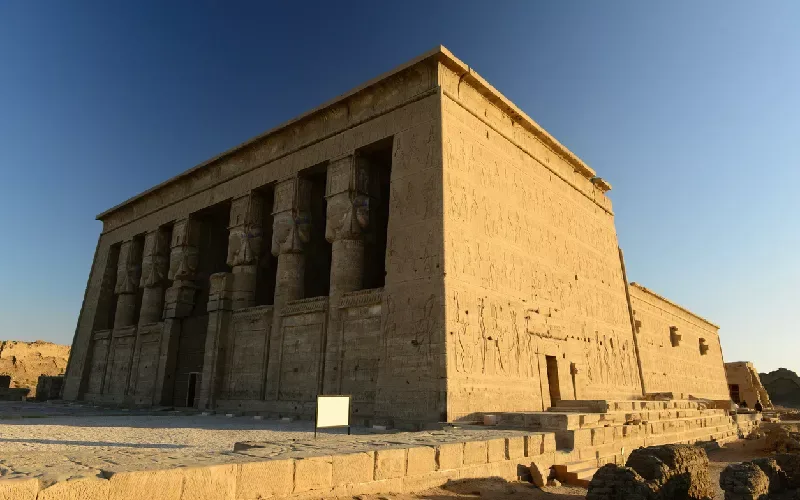
The temple complex is located about 60 kilometers north of Luxor, near the modern city of Qena, on the west bank of the Nile.
Why Dendera Temple Is One of Egypt’s Greatest Treasures
Many ancient Egyptian temples survive only as weathered ruins, but Dendera defies time. Its walls, ceilings, and carvings remain astonishingly intact, preserving thousands of years of history almost exactly as ancient worshippers once saw it.
The Temple of Hathor, the complex’s main structure, was begun during the late Ptolemaic period and completed under Cleopatra VII. Inside, visitors are often stunned by the vivid ceiling colors - especially the deep celestial blues that still appear fresh despite being over two thousand years old. These colors survived thanks to centuries of burial beneath sand and silt, which shielded them from sun and erosion.
This level of preservation makes Dendera feel less like an archaeological site and more like a sacred space frozen in time.
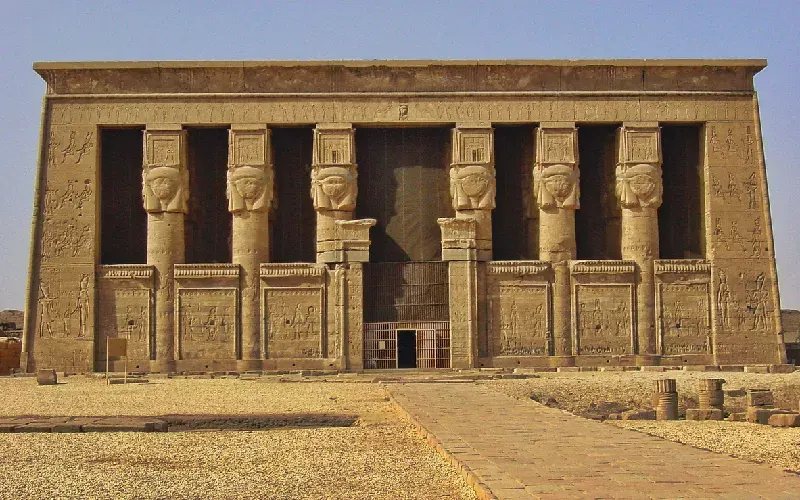
Absolutely. Dendera is one of the best-preserved temples in Egypt, famous for its vivid original colors, peaceful atmosphere, and unique role as an ancient healing center. Many visitors find it more memorable than larger, crowded sites.
A Sacred Center of Healing and Worship
Dendera was far more than a temple, it functioned as ancient Egypt’s most famous healing sanctuary. Devotees traveled great distances seeking cures through divine rituals, sacred water, and dream healing.
Hathor, the temple’s patron goddess, was associated with joy, fertility, music, and protection. She is often depicted with cow horns crowned by a solar disk or in full bovine form, symbolizing nurturing power and divine energy. Priests and priestesses served her through music, dance, and ritual performances, believing harmony itself had healing power.
The complex included:
- Sacred birth chambers for divine rituals
- Healing dormitories where pilgrims slept awaiting visions
- Purification pools and sacred wells
Some scholars believe that Cleopatra VII herself may have given birth to her son, Caesarion, within these sacred walls , further cementing Dendera’s royal and spiritual importance.
Customize Your Dream Vacation!
Get in touch with our local experts for an unforgettable journey.
Plan Your TripA Peaceful Alternative to Crowded Temples
Despite its importance, Dendera remains surprisingly calm compared to temples like Karnak or Luxor. This tranquility allows visitors to explore freely, linger in quiet chambers, and truly absorb the atmosphere. It also provides access to areas once reserved only for high priests and royalty, including hidden staircases and crypts rarely found elsewhere in Egypt.
For travelers who want depth rather than crowds, Dendera offers a more meaningful connection to ancient Egyptian life.
How to Reach Dendera Temple
Most visitors travel to Dendera from Luxor, a journey of about 1 to 1.5 hours by road. Private taxis and guided tours are the easiest and most comfortable options, especially for those short on time.
Budget travelers can take a train or bus to the city of Qena, followed by a short taxi or microbus ride to the temple. The route is straightforward, and locals are accustomed to helping visitors find their way.
Visiting Hours and Tickets
- Daily opening: 7:00 AM – 4:00 PM
- Ramadan: 8:00 AM – 3:00 PM
Ticket prices vary for international visitors, students, and Egyptian nationals. Photography with mobile phones is allowed without extra fees.
Bringing a small flashlight is highly recommended, as many interior chambers are dimly lit.
Highlights Inside the Temple Complex
The Great Hypostyle Hall
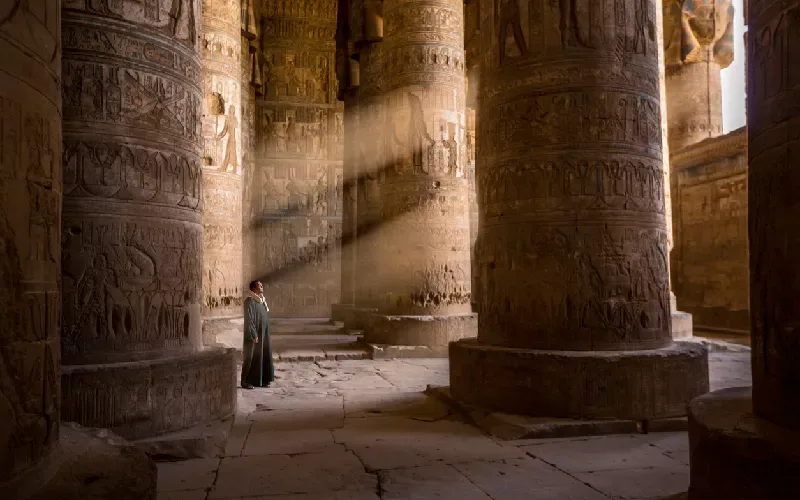
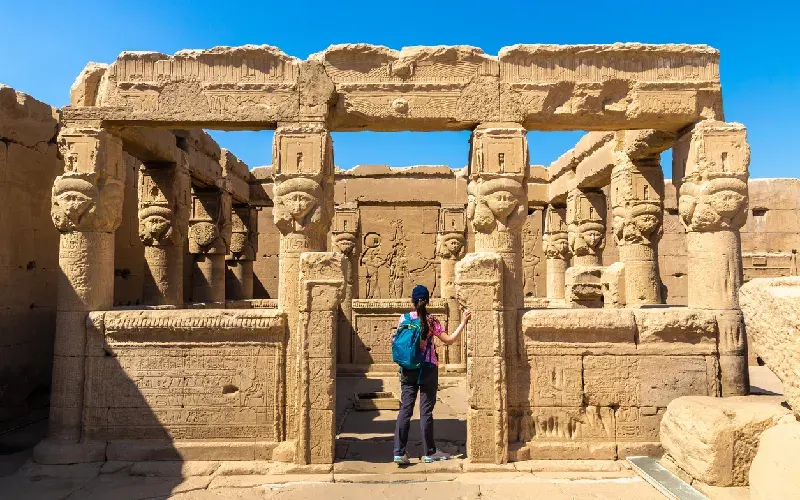
The heart of the temple is its magnificent hypostyle hall, supported by 24 massive columns topped with Hathor’s serene face. These columns rise nearly 15 meters high, creating a forest of stone beneath a ceiling painted with stars, planets, and the sky goddess Nut. Standing here, it’s impossible not to feel dwarfed by the ambition and skill of ancient builders.
The Hidden Crypts
Beneath the temple lies a network of narrow crypts once used to store sacred objects. These chambers contain some of Dendera’s most intriguing reliefs, including the famous scenes often referred to as the “Dendera Lights.” While modern myths surround these carvings, scholars explain them as symbolic representations of creation and rebirth rooted in Egyptian mythology.
Rooftop Chapels and Astronomy
Climbing to the roof reveals chapels dedicated to Osiris and the cosmic cycle of death and rebirth. This area once displayed the famous Dendera Zodiac, an advanced astronomical chart used to track festivals and celestial events. Though the original is now in the Louvre, a detailed replica allows visitors to appreciate its precision and beauty.
The Mammisi (Birth House)
Just outside the main temple stands the Roman-era birth house, where divine childbirth rituals were celebrated. Reliefs here depict the birth of divine children, protected by Bes, the guardian deity of mothers and infants. The carvings are lively, detailed, and deeply human in their storytelling.
The Ancient Healing Complex
Perhaps most fascinating is Dendera’s medical and healing area. Pilgrims slept in special chambers hoping to receive healing dreams from Hathor. Temple physicians combined spiritual rituals with herbal remedies, creating one of the ancient world’s earliest holistic healthcare centers.
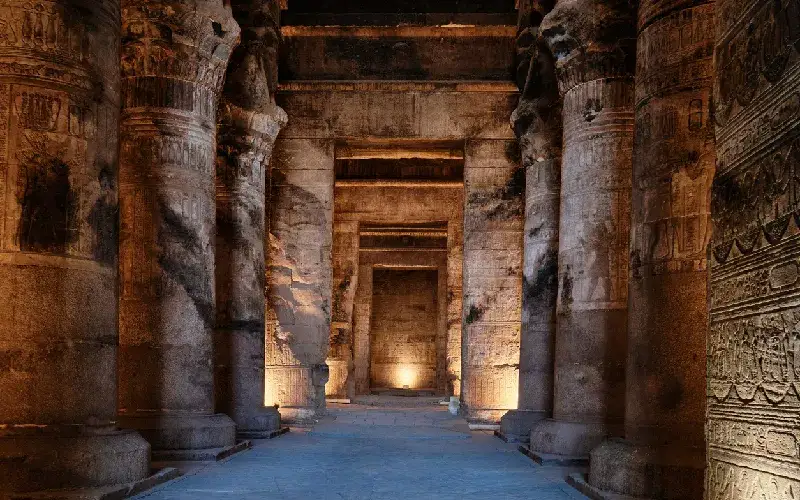
Dendera stands out for its exceptional preservation, its famous crypt reliefs, and its role as ancient Egypt’s primary center for divine healing and dream therapy.
Insider Tips for the Best Experience
- Arrive early: Morning light brings out the carvings and colors beautifully - and the temple is nearly empty.
- Look for Cleopatra and Caesarion: A rare relief shows Cleopatra VII with her son, one of the few authentic images of the queen.
- Find the hidden staircases: Behind the second hypostyle hall lies access to the crypts- easy to miss without careful attention.
- Bring a flashlight: Many details are invisible without extra light.
- Ask locals: Guards and vendors often know the best photography spots and lighting times.
Dendera Temple is not just a place to visit- it’s a place to feel. Its remarkable preservation, spiritual depth, and peaceful atmosphere offer something increasingly rare: a personal encounter with ancient Egypt.
Here, history isn’t distant or fragmented. It surrounds you in color, stone, and silence. Whether you come for archaeology, spirituality, photography, or quiet reflection, Dendera leaves a lasting impression - one that lingers long after you’ve stepped back into the modern world.
For those seeking an authentic, uncrowded, and deeply human connection to Egypt’s past, Dendera Temple is nothing short of unforgettable.
Most visitors spend between 1.5 to 2.5 hours exploring the temple, including the hypostyle hall, crypts, rooftop chapels, and surrounding structures.
Early morning, right at opening time, is ideal. The light is softer, the colors appear more vivid, and the temple is usually quiet before tour groups arrive.
Yes. Dendera is an easy half-day trip from Luxor, either by private car, guided tour, or by train or bus to Qena followed by a short taxi ride.
No. While often misunderstood, these reliefs are symbolic religious scenes representing creation and rebirth in ancient Egyptian mythology, not electrical devices.
Yes. Mobile phone photography is allowed without extra fees. Flashlights are helpful for darker chambers, but flash photography should be used respectfully.
Yes, though some areas include stairs and uneven floors. Comfortable shoes are recommended, and visitors should take care in darker or narrow chambers.
A guide is not required, but having one can greatly enhance your understanding of the temple’s symbolism, history, and hidden details.

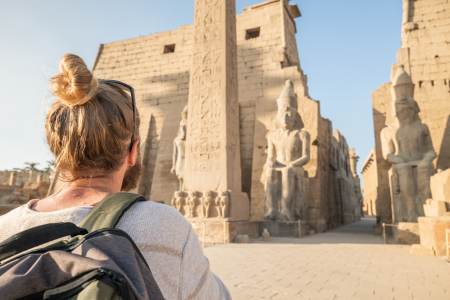
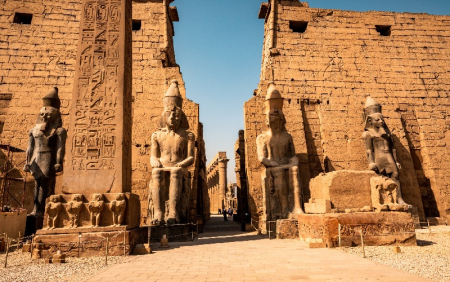
Luxor Temple, built by Amenhotep III and expanded by Ramses II, is a breathtaking New Kingdom monument dedicated to the renewal of kingship. Located on Luxor’s east bank, it stands as one of Egypt's most iconic sanctuaries, celebrated for its grand pylons, colossal statues, and deep religious significance.
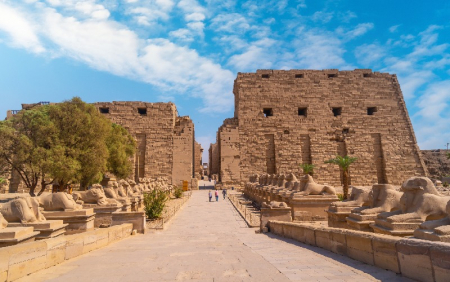
Karnak Temple in Luxor is an iconic ancient Egyptian complex, showcasing grand architecture, rich history, and the spiritual and political legacy of Thebes across nearly 2,000 years of construction.
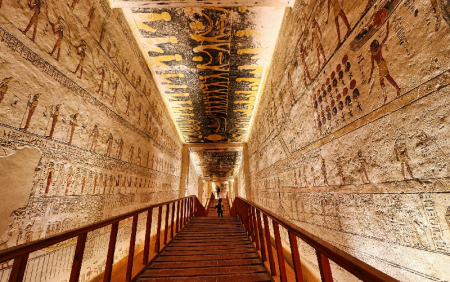
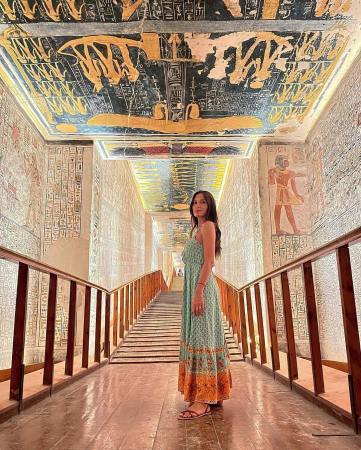
The Valley of the Kings is Egypt’s legendary royal necropolis, featuring 65 tombs of New Kingdom pharaohs, remarkable engineering, and world-famous discoveries like Tutankhamun’s burial.
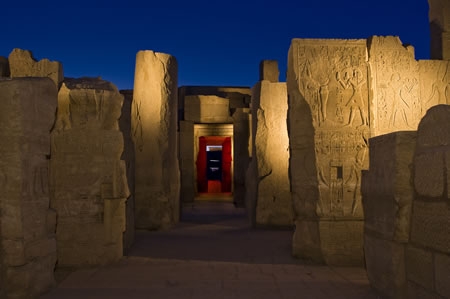
The Karnak Sound and Light Show transforms the vast temple complex into a magical nighttime spectacle, combining illuminated monuments, music, and storytelling to bring ancient Egyptian history vividly to life.
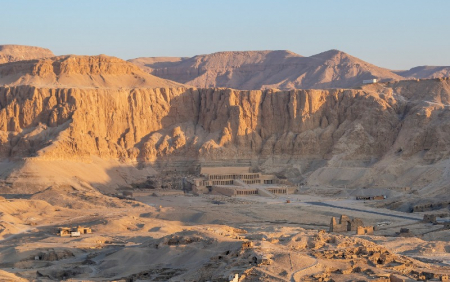
Discover the Valley of the Queens in Luxor, Egypt, with royal tombs, stunning art, and UNESCO heritage significance.
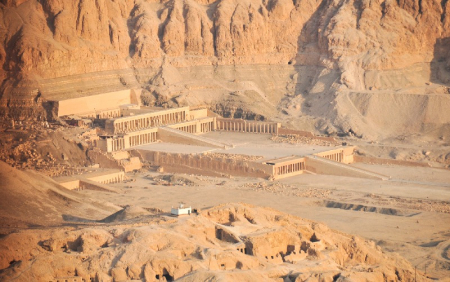
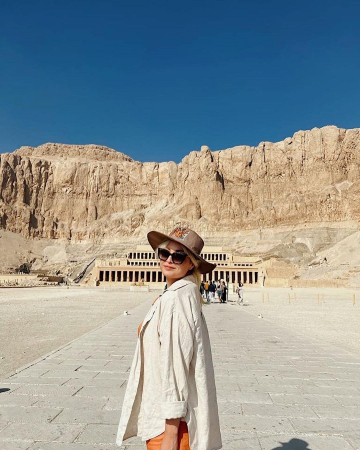
The Temple of Hatshepsut is a breathtaking 18th-Dynasty mortuary temple at Deir el-Bahari, famed for its grand terraces, cliffside design, and historical significance.
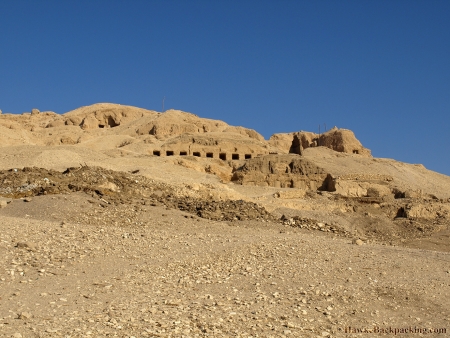
Explore the Valley of the Nobles in Luxor and learn how its 400+ tombs reveal vivid scenes of daily life and remarkable artistry from ancient Egypt’s New Kingdom.
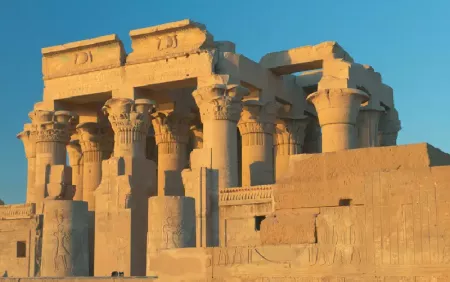
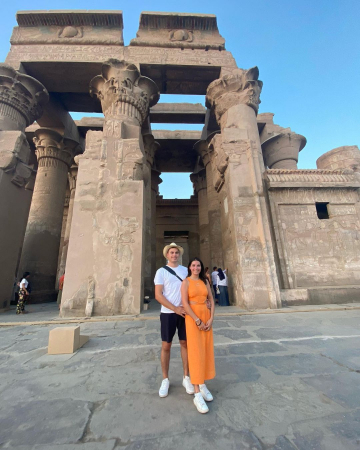
Kom Ombo Temple—Egypt’s remarkable twin sanctuary honoring Sobek and Haroeris, famed for its perfect symmetry and sacred crocodile traditions.
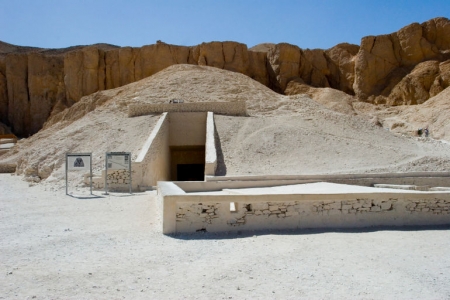
Tutankhamun’s tomb revealed over 5,000 stunning treasures, from gold chariots to the iconic mask, reshaping our understanding of ancient Egypt after its discovery in 1922.

Dendera Temple, 60km from Luxor, is Egypt's remarkably preserved healing sanctuary for Hathor. Explore vivid colors, hidden crypts & ancient astronomical knowledge.
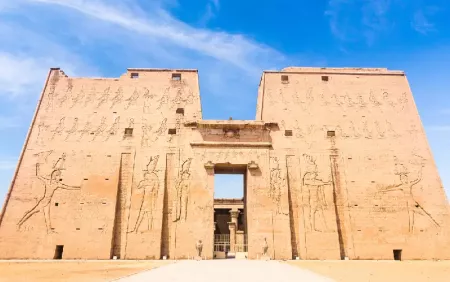
The Temple of Edfu, buried for centuries, is one of Egypt’s best-preserved temples—offering a vivid look into Ptolemaic religion, mythology, and architecture.
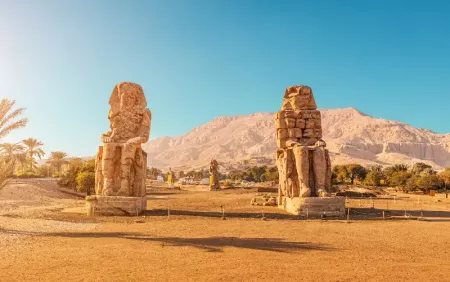
The Colossi of Memnon are 18-meter statues of Amenhotep III, once famed for their mysterious dawn “singing,” which captivated ancient visitors and inspired over a hundred inscriptions.
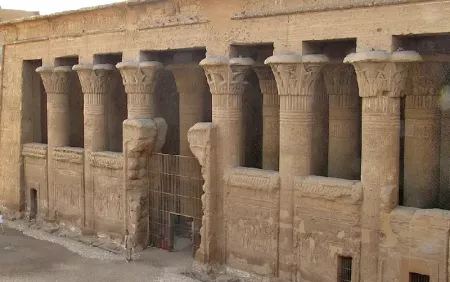
The Temple of Khnum at Esna, built from the Ptolemaic to Roman periods, features a stunning hypostyle hall with 24 ornate columns and reflects centuries of devotion to the creator god Khnum.
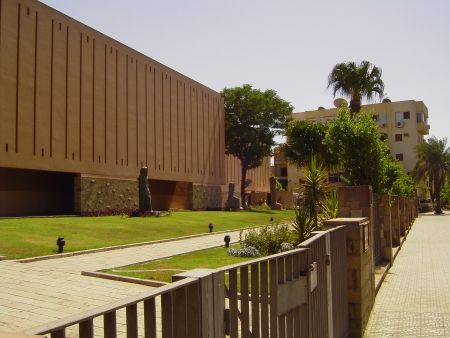
Luxor’s Mummification Museum offers an immersive look at ancient embalming methods, displaying tools, human and animal mummies, and the notable mummy of Masaharta.
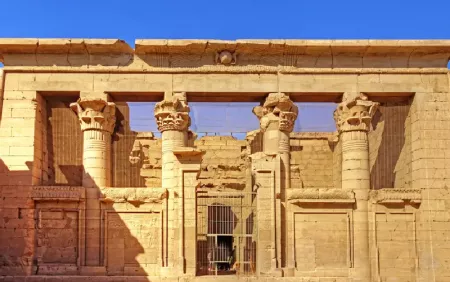
Kalabsha Temple, built under Emperor Augustus, was rescued from rising Nile waters in the 1960s and relocated block by block to New Kalabsha Island. Today, it remains a key UNESCO-recognized Nubian monument.

Soar above Luxor at sunrise in a hot air balloon and witness ancient temples, the Nile, and royal necropolises from the sky. This unforgettable experience offers breathtaking views and a unique perspective on Egypt’s timeless heritage.
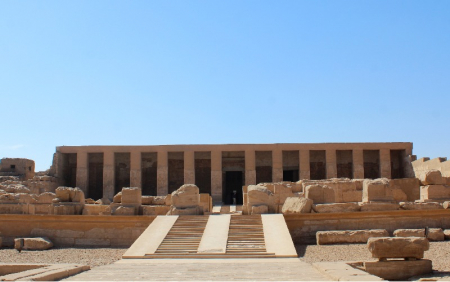
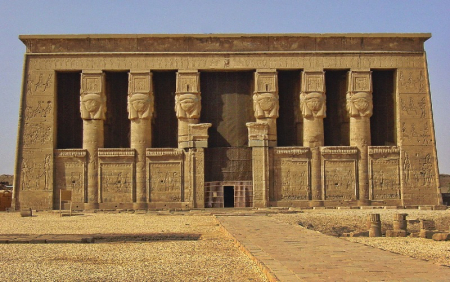
Explore the Temple of Hathor at Dendera, a remarkably preserved ancient Egyptian sanctuary dedicated to the goddess of love, music, and healing, renowned for its zodiac, vibrant reliefs, and astronomical ceilings.
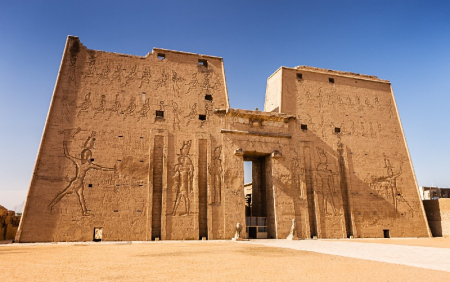
Visit the Temple of Horus at Edfu, a remarkably preserved Ptolemaic temple showcasing ancient Egyptian rituals, art, and architecture.
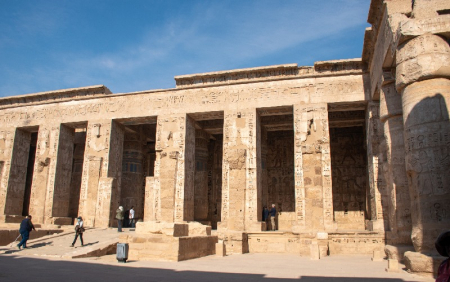
Explore Medinet Habu, Ramesses III’s temple, where history, religion, and artistry come alive on Luxor’s West Bank.
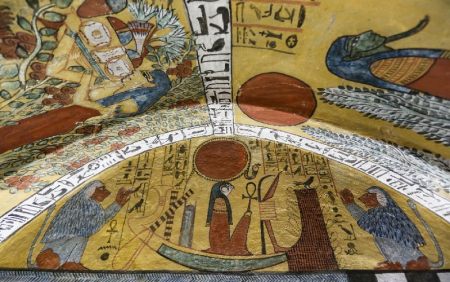
Deir el-Medina was home to the elite artisans who built and decorated Egypt’s royal tombs. Discover their homes, work, religion, and extraordinary daily life.
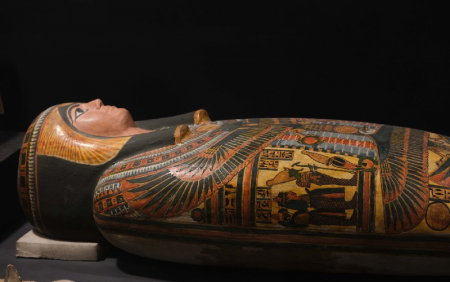
The Mummification Museum in Luxor showcases ancient Egyptian embalming, mummies, and artifacts, including Masaharta’s preserved remains and mummified animals.
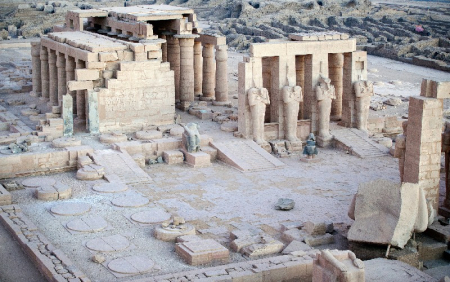
Discover the Mortuary Temple of Amenhotep III, once the largest in Thebes, famed for the Colossi of Memnon and ongoing restorations in Luxor.