
 Home
HomeAswan Egypt – Explore the Nile, Temples & Culture
Nestled along the banks of the mighty Nile River in southern Egypt, Aswan stands as one of the world's most captivating destinations, where golden desert sands meet azure waters and ancient civilizations whisper their secrets through towering monuments. This enchanting city, located approximately 900 kilometers south of Cairo, serves as the gateway to Africa and has been a crucial crossroads of trade, culture, and civilization for over 4,000 years.
What makes Aswan so special? Simply put, it's where you can touch history with your fingertips while experiencing the vibrant pulse of modern Egyptian life.

A Journey Through Time: Historical Significance
Aswan's story begins in ancient times when it was known as Syene, serving as the southern frontier of pharaonic Egypt. The city's strategic position at the First Cataract of the Nile made it a natural boundary and a vital trading post connecting Egypt with Nubia and the rest of Africa. Here, caravans laden with gold, ivory, ebony, and exotic animals would arrive from the south, making Aswan one of the wealthiest cities in the ancient world.
The Unfinished Obelisk remains one of Aswan's most fascinating archaeological treasures. This massive granite monument, abandoned in the quarries due to a crack that appeared during construction, would have been the largest obelisk ever erected if completed. Standing at what would have been 42 meters tall and weighing approximately 1,200 tons, it provides invaluable insights into ancient Egyptian stone-working techniques.
The Philae Temple Complex, dedicated to the goddess Isis, represents another jewel in Aswan's historical crown. Originally located on Philae Island, this magnificent temple was carefully relocated to nearby Agilkia Island during the construction of the High Dam, showcasing both ancient architectural brilliance and modern engineering prowess.
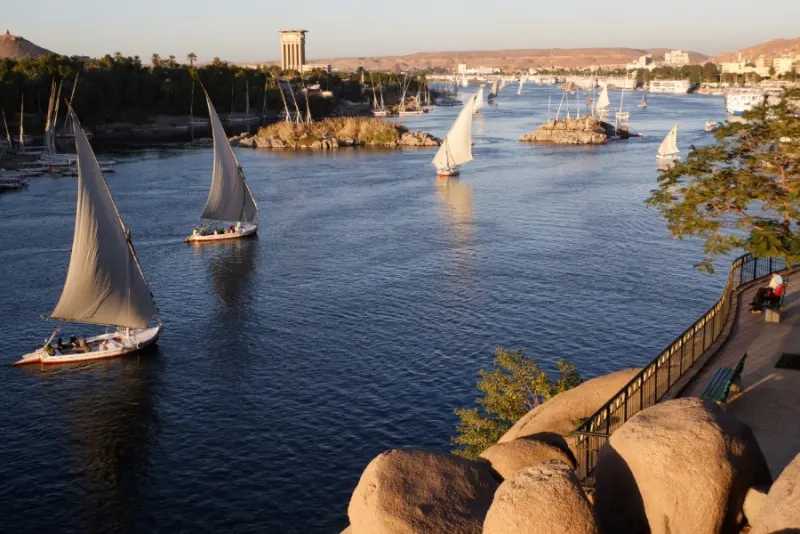
Yes! Aswan is one of the most peaceful cities in Egypt. Travelers love it for its Nubian culture, Elephantine Island, camel rides to desert monasteries, and stunning Nile views.
The Soul of Nubia: Cultural Heritage
What truly sets Aswan apart is its rich Nubian culture, which permeates every aspect of daily life. The Nubian people, with their distinctive traditions, colorful architecture, and warm hospitality, have called this region home for millennia. Their vibrant houses, painted in brilliant blues, yellows, and greens, create a stunning contrast against the desert landscape.
Nubian villages, particularly those on Elephantine Island and Sehel Island, offer visitors authentic glimpses into this ancient culture. Here, families still practice traditional crafts, from pottery making to basket weaving, using techniques passed down through generations. The melodious Nubian language can still be heard in homes and markets, keeping alive a linguistic heritage that predates Arabic in the region.
The Nubian Museum, opened in 1997, stands as a testament to this rich cultural legacy. Its innovative design, incorporating traditional Nubian architectural elements, houses an impressive collection of artifacts spanning 5,000 years of Nubian civilization. The museum's exhibits tell the story of a people who built powerful kingdoms, traded across continents, and created art that continues to inspire today.
Check our Nile Cruises 2026 Now!
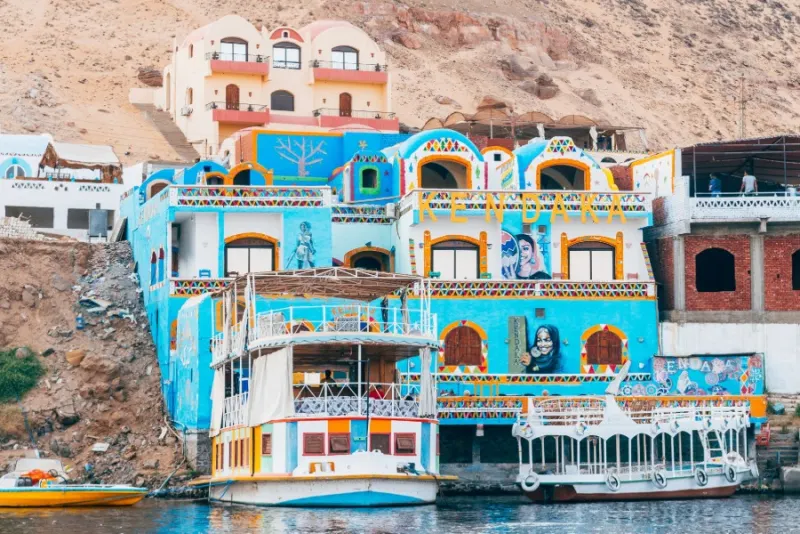
The Nubian Museum is a cultural and archaeological museum dedicated to preserving and showcasing the history, heritage, and art of Nubia — the ancient region that stretched along southern Egypt and northern Sudan.
Tourism Paradise: Attractions and Experiences
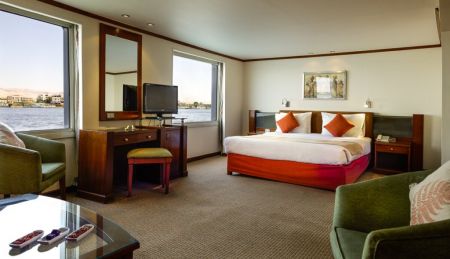
Aswan's tourism landscape is as diverse as it is spectacular. The city serves as the starting point for Nile cruises that rank among the world's most romantic and culturally enriching travel experiences. These floating hotels carry visitors between Aswan and Luxor, stopping at temples and archaeological sites that have captivated travelers for centuries.
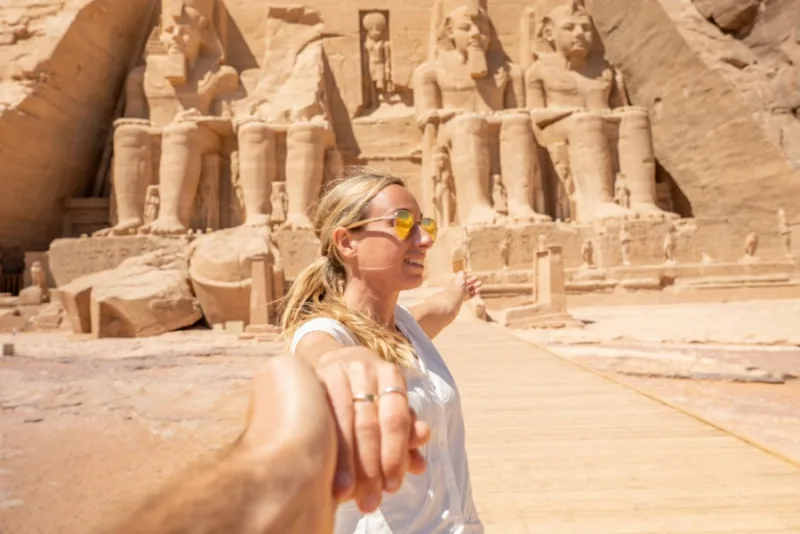
Abu Simbel, though located 280 kilometers south of Aswan, remains the city's most famous attraction. These colossal temples, carved directly into rock faces by Ramesses II, represent the pinnacle of ancient Egyptian architectural achievement. The twice-yearly solar alignment phenomenon, where sunlight illuminates the inner sanctuary on specific dates, continues to draw visitors from around the globe.
The Aswan High Dam, completed in 1970, stands as a monument to modern engineering ambition. This massive structure, stretching 3.6 kilometers across the Nile, created Lake Nasser, one of the world's largest artificial lakes. The dam transformed Egypt's economy by controlling flooding, generating electricity, and enabling year-round irrigation.
For those seeking more intimate experiences, felucca sailing offers peaceful journeys along the Nile, where the only sounds are gentle waves lapping against traditional wooden boats and the distant calls of fishermen. These sunset cruises provide perfect opportunities to witness Aswan's legendary golden hour, when the desert sun paints everything in warm, honey-colored light.
Tailor Make Your Dream Egyptian Package Now!
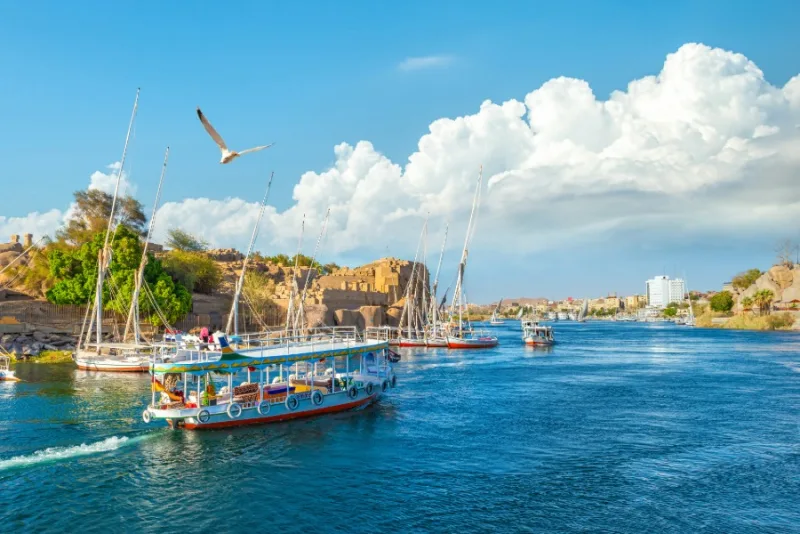
Beyond the famous sites in Cairo, Luxor, and Aswan, this long cruise visits a number of less-traveled ancient locations in Middle Egypt. These include Fayoum, the sites around Minya (such as Tel El Amarna, Beni Hassan), Abydos, and Dendara.
Customize Your Dream Vacation!
Get in touch with our local experts for an unforgettable journey.
Plan Your TripModern Developments and Economic Growth
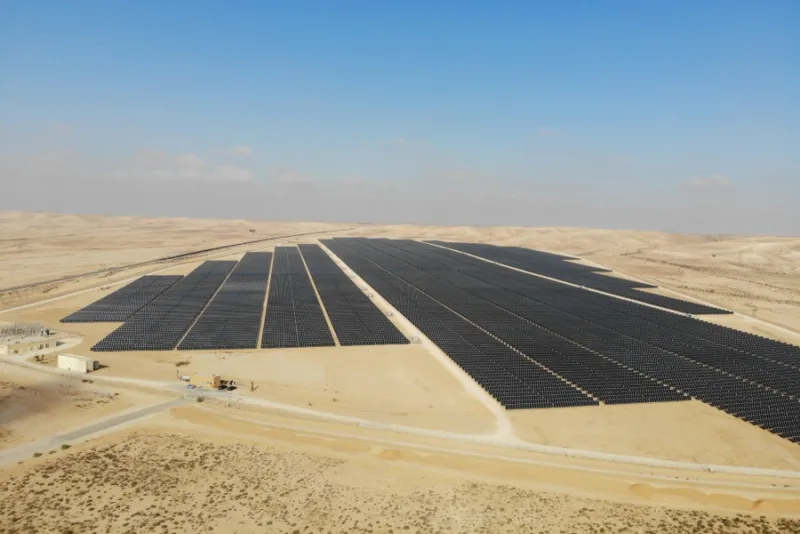
Contemporary Aswan has embraced modernization while respecting its historical character. The city has become a significant center for renewable energy, with several solar power projects taking advantage of the region's abundant sunshine. The Benban Solar Park, one of the world's largest solar installations, symbolizes Egypt's commitment to sustainable development.
The New Aswan City project represents ambitious urban planning, designed to accommodate growing populations while preserving the historic city center. This development includes modern residential areas, commercial centers, and improved infrastructure, all planned with consideration for the region's unique environmental and cultural characteristics.
Aswan's economy has diversified beyond traditional agriculture and tourism. The city has become a hub for granite and stone quarrying, continuing a tradition that dates back to pharaonic times. Modern quarries still extract the high-quality granite that made Aswan famous throughout the ancient world, now serving construction projects across the Middle East and beyond.
The Aswan International Airport has undergone significant expansion, improving connectivity and supporting the city's growing tourism industry. New hotels, restaurants, and entertainment venues have opened, offering visitors increased comfort while maintaining authentic Egyptian hospitality.
Living Traditions: Festivals and Cuisine
Aswan's cultural calendar bursts with vibrant celebrations that showcase the city's diverse heritage. The Abu Simbel Sun Festival, held twice yearly in February and October, attracts thousands of visitors who gather to witness the ancient temple's solar alignment phenomenon. These events blend archaeological wonder with modern celebration, featuring traditional music, dance, and local crafts.
Nubian festivals throughout the year celebrate everything from harvest seasons to religious observances. These colorful gatherings feature traditional drumming, dancing, and storytelling that have remained virtually unchanged for centuries. Visitors often find themselves welcomed into these celebrations, experiencing the legendary Nubian hospitality firsthand.
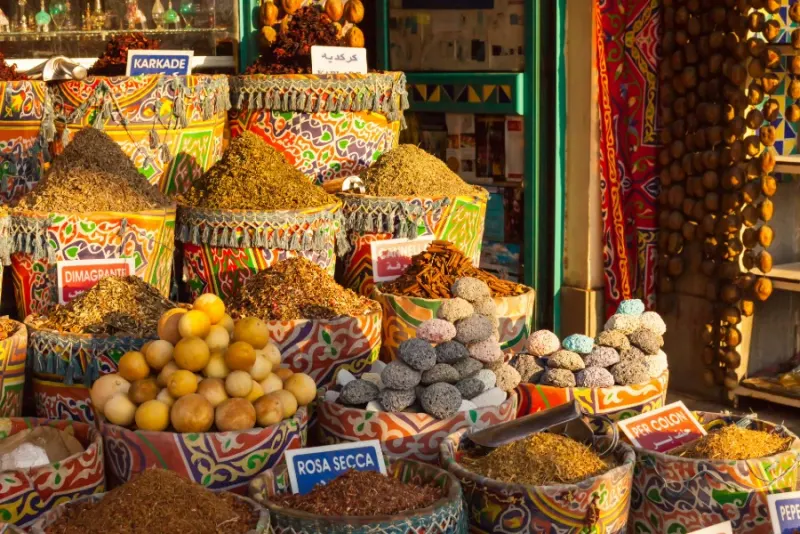
The city's culinary scene reflects its position as a cultural crossroads. Traditional Nubian dishes like ful medames (fava beans), bamia (okra stew), and roz bil laban (rice pudding) appear alongside Egyptian classics. Local markets overflow with dates, hibiscus flowers for the famous karkade tea, and spices that perfume the air with exotic aromas.
Street food vendors offer ta'meya (Egyptian falafel), grilled fish fresh from the Nile, and baladi bread baked in traditional ovens. The Aswan Souk provides immersive shopping experiences where visitors can purchase everything from handwoven textiles to intricately carved wooden artifacts.
Natural Wonders and Climate
Aswan's desert climate creates some of Egypt's most dramatic landscapes. The city enjoys over 300 days of sunshine annually, making it one of the world's sunniest destinations. This climate has shaped both the culture and architecture, with traditional buildings designed to provide cool refuges from intense heat.
The Aswan Botanical Garden, located on Kitchener's Island, showcases exotic plants from across Africa and Asia. This green oasis demonstrates how careful cultivation can create lush environments even in desert conditions. The garden's peaceful pathways offer respite from the city's energy while providing educational insights into regional flora.
Granite formations around Aswan create stunning geological displays. These ancient rocks, formed millions of years ago, provide the raw material that built many of Egypt's most famous monuments. The contrast between smooth granite surfaces and rough desert terrain creates photographic opportunities that capture the region's stark beauty.
The Nile's behavior in Aswan differs markedly from its character further north. Here, the river flows around granite islands and through rocky cataracts, creating the dramatic landscapes that have inspired artists and writers for millennia.
A Living Legacy
Today's Aswan represents a remarkable synthesis of ancient wisdom and modern innovation. The city continues to serve as Egypt's gateway to Africa while embracing its role as a guardian of world heritage. Its people, whether descended from ancient Nubians, Arab settlers, or more recent arrivals, share a common pride in their city's extraordinary legacy.
Walking through Aswan's streets, visitors encounter layers of history at every turn. Ancient granite quarries neighbor modern solar installations, traditional feluccas share the Nile with luxury cruise ships, and calls to prayer echo across landscapes that have witnessed the rise and fall of empires.
The city's future looks as bright as its famous sunshine, with sustainable tourism initiatives, cultural preservation projects, and economic diversification ensuring that Aswan will continue captivating visitors for generations to come. Whether you're drawn by ancient mysteries, cultural authenticity, or simply the magic of the Nile, Aswan offers experiences that transform casual visitors into lifelong devotees of this extraordinary corner of our world.
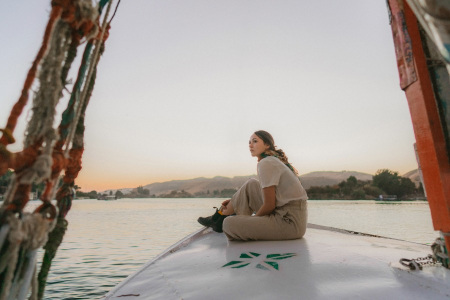
By taking a felucca ride on the Nile in Cairo, you can take in the picturesque panorama of the River Nile.
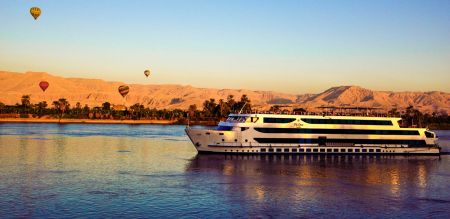
Ranging from shorter Cruises sailing between Luxor and Aswan, to the long Nile Cruises which sail from Cairo to Luxor and Aswan!

Egypt maintaining its status as a welcoming destination for international visitors whilst implementing robust security measures across all major tourist areas.

Whether you're a history enthusiast, adventure seeker, or family traveller, Egypt offers unparalleled opportunities to witness civilisation's greatest achievements whilst enjoying contemporary comforts and warm Egyptian hospitality.

Planning a trip to Egypt? Discover what to pack with our complete UK traveller’s guide, including essentials for Nile cruises, desert tours, and city breaks.

Picture this: you're standing in the bustling streets of Tokyo, desperately trying to navigate to your hotel, but your phone displays that dreaded "No Service" message. For UK travellers venturing beyond our shores, maintaining reliable internet connectivity isn't just about convenience—it's about safety, productivity, and making the most of every precious moment abroad.

This comprehensive guide draws upon decades of collective wisdom from seasoned travellers and local insights to ensure your Egyptian adventure reflects the respect this magnificent culture deserves.

Egypt beckons with its ancient pyramids, vibrant bazaars, and the legendary Nile River, drawing hundreds of thousands of UK travellers annually. Yet beneath the allure of this archaeological wonderland lies a complex landscape of potential risks that make comprehensive travel insurance not just advisable, but absolutely essential for British visitors.

Understanding flights from UK to Egypt becomes essential for anyone planning this remarkable journey across continents and cultures.

Explore Egypt’s weather by season, average temperatures, and when to visit for the perfect holiday.

Egypt in Ramadan offers UK travellers a unique blend of spiritual devotion, cultural richness, and authentic experiences. The holy month transforms daily life, combining centuries-old traditions with vibrant celebrations that reveal Egypt’s hospitality and heritage.

For UK couples seeking something beyond the typical Mediterranean getaway, Egypt presents a captivating alternative where pharaonic grandeur meets Red Sea luxury. From intimate felucca rides along the Nile to private dinners beneath star-studded desert skies, this land of mysteries promises honeymoon memories that will last a lifetime.

Egypt, a land where history and modernity intertwine seamlessly, stands as a beacon for intrepid adventurers and history enthusiasts alike. For UK seniors, this ancient country offers a treasure trove of experiences that cater to both the inquisitive mind and the comfort-seeking soul. The allure of Egypt lies not only in its iconic monuments and archaeological wonders but also in its welcoming atmosphere and well-established tourism infrastructure. This makes it a prime destination for seniors wishing to embark on a journey that is both enriching and manageable.

Discover wheelchair friendly holidays for UK travellers. A full Travel Guide with all what you need to know before booking a wheelchair holiday to Egypt!

With English widely spoken in tourist areas and numerous guided tours tailored to solo travellers, navigating Egypt independently is both feasible and rewarding. Solo travellers can choose from group excursions, private guides, or self-paced itineraries, ensuring that their journey is as relaxing or adventurous as they desire.
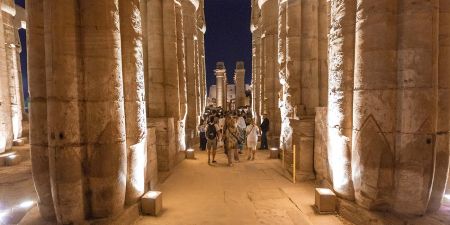
Luxor is the most well known recognized City in Upper Egypt and the capital of Luxor Governorate, known famously for its oldest and most Ancient Egyptian sites.
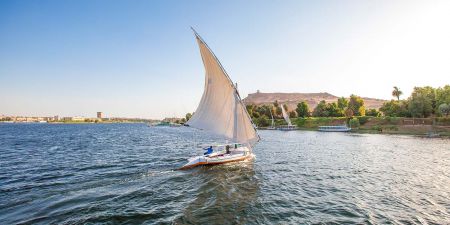
Aswan is Egypt’s southernmost city and lies, like Luxor and Cairo, on the shores of the Nile River, at its first cataract. Know More .!
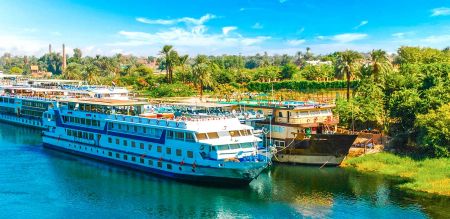
The Long Nile Cruise between Cairo, Luxor and Aswan is sure to be the trip of a lifetime through the ancient land of Egypt. Cruise boats now leave regularly from Cairo heading south to Luxor and Aswan. The two-week journey takes passengers to all of the major ancient sites along the Nile Valley, with time to relax and enjoy the scenery of the Nile Valley.
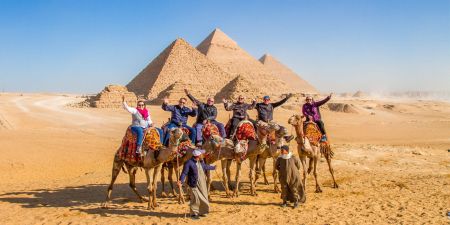
Egypt Do's & Don'ts. Know before you go Egypt, dress, Camera Usage, tipping and all the information you need to know before visiting egypt. Know more!