
 Home
Home
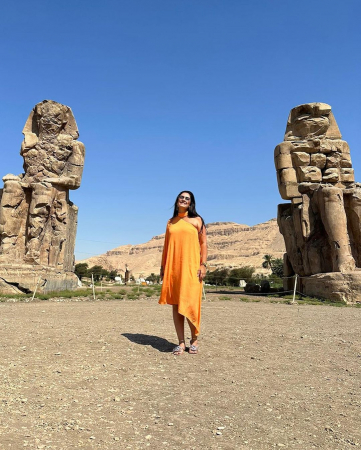
The Colossi of Memnon, two massive 18-meter statues of Pharaoh Amenhotep III built around 1350 BCE, have stood for nearly 3,400 years in the Theban Necropolis. What made them especially famous was the mysterious “singing” sound one statue produced at dawn after an earthquake in 27 BCE—an acoustic effect caused by the stone warming in the morning sun.
This phenomenon attracted ancient travelers, who left 107 Greek and Latin inscriptions between AD 20 and 250. Over time, the statues gained legendary status, with visitors believing the sounds were the mourning cries of Memnon, a hero from the Trojan War.
Origins of the Colossi of Memnon
Towering over the Theban landscape, the Colossi of Memnon represent one of ancient Egypt's most impressive engineering achievements from the New Kingdom period. These monumental guardians embody the power, wealth, and divine authority of their creator during Egypt's golden age.
Who was Amenhotep III?
Amenhotep III ruled Egypt from 1386–1353 BCE during a period of stability and prosperity. Taking the throne at age twelve, he focused on grand architectural projects rather than warfare. He married Tiye, granting her the exceptional title of Great Royal Wife, highlighting her high status. His 39-year reign marked a golden age of political strength, economic wealth, and artistic achievement, during which he commissioned more than 250 monuments, temples, and statues, shaping Egypt into a landscape of impressive royal splendor.
Why the statues were built
The Colossi of Memnon were built as guardians of Amenhotep III’s vast mortuary temple, a 35-hectare complex larger than Karnak, where he was honored as a living and divine ruler. The statues depict him seated and facing the rising sun, symbolizing his eternal connection to Ra. Their bases include carvings of Nile gods and royal family members. Because the temple was built on the floodplain, almost all of it was destroyed over time, leaving only the monumental statues, which have endured for more than 3,000 years.
Materials and transportation challenges
Each Colossus was carved from a single massive block of quartzite sandstone transported roughly 675 km from quarries near Cairo. Standing 18 meters tall and weighing around 720 tons, the statues posed immense transport challenges. Workers likely moved the blocks on wooden sledges across prepared paths, possibly using water to reduce friction, or through secondary Nile channels. Skilled craftsmen then shaped the stone using copper tools and sand. The project reflects the advanced engineering, planning, and administrative capabilities of Amenhotep III’s Egypt.
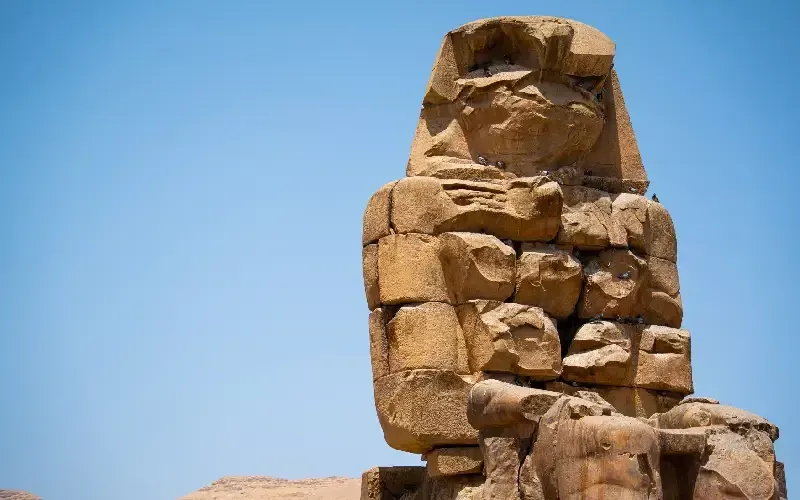
The Colossi were built under the command of Pharaoh Amenhotep III, but creating them required a huge team of ancient architects, stonemasons, laborers, and engineers. Their construction showcased advanced skills in quarrying, stone carving, transportation logistics, and structural design. If you imagine the process, it involved shaping single 720-ton stone blocks using copper chisels, stone hammers, and abrasive sand—a task demanding extraordinary precision.
The Earthquakes That Changed Everything
Natural disasters fundamentally altered the fate of the Colossi of Memnon through a series of seismic events that transformed these massive statues from silent sentinels into mysterious "singing" monuments. These earthquakes not only damaged the physical structures but also created the unusual acoustic phenomenon that would fascinate travelers for centuries.
The 1200 BCE earthquake
Modern archeological investigations have definitively established that a major earthquake struck the Theban region around 1200 BCE, contrary to earlier assumptions about the timeline of destruction. Research conducted between 2007 and 2010 revealed clear evidence of this powerful seismic event at the Temple of Amenhotep III. Excavations uncovered numerous signs of liquefaction and soil spreading—hallmark indicators of intense seismic activity.
The earthquake's catastrophic force essentially destroyed the Peristyle Court of Amenhotep III's mortuary temple. Archeologists discovered extensive orthogonal extension cracks measuring 18-20 meters long in the east-west orientation throughout the temple foundations. These cracks, filled with fine sand, cut through the foundation mortar and column bases, penetrating to depths of at least 3 meters.
Scientific analysis of the evidence suggests this earthquake reached intensity X or XI on the MSK-64 scale—a truly devastating event. Radiocarbon dating and pottery shards recovered from the destruction level confirm the timeframe of approximately 1200 BCE. This powerful tremor effectively ended the functional existence of the magnificent mortuary temple, leaving primarily the colossal statues standing.
The 27 BCE earthquake and its aftermath
The traditional explanation for the Colossi of Memnon’s “singing” links the phenomenon to an earthquake in 27 BCE, but modern scholarship disputes this date. Although Strabo described damage to the northern statue during his lifetime and attributed it to an earthquake, recent studies—including the earthquake catalog by Ambraseys et al.—suggest the event may be misdated or even unhistorical, with some theories pointing to destruction caused by the Persian army instead.
Despite uncertainties about when the damage occurred, it is clear that a major earthquake—or similar force—fractured the northern colossus from the waist upward. After this break, the statue began producing a dawn “singing” sound, likely caused by warming air expanding through the cracks in the stone.
Roman reconstruction efforts
The Colossi became famous in antiquity for their mysterious dawn “singing,” recorded by over 100 Greek and Latin inscriptions left by visitors between 20–250 CE. When Emperor Septimius Severus restored the damaged northern statue using different sandstone, he unknowingly sealed the cracks responsible for the acoustic effect. Inscriptions cease after 205 CE, showing the phenomenon ended. Ironically, the repairs meant to honor the monument erased the very feature that made it legendary.
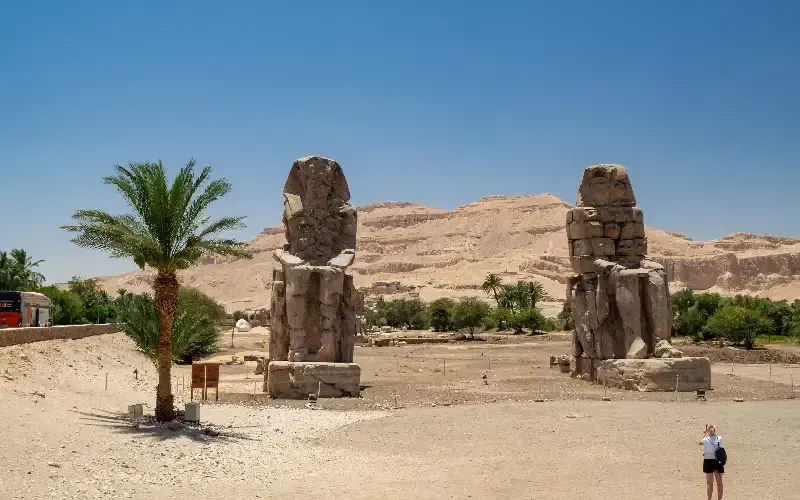
Throughout history, the Colossi endured multiple powerful earthquakes that fractured their surfaces, shifted their foundations, and damaged their upper sections. If you look closely today, you'll see cracks, missing features, and mismatched stones from ancient repairs. These marks tell the story of thousands of years of natural erosion, seismic activity, Nile flooding, and even ancient restoration attempts.
Customize Your Dream Vacation!
Get in touch with our local experts for an unforgettable journey.
Plan Your TripThe Mystery of the Singing Statue
For nearly two centuries, ancient travelers journeyed across deserts to witness a peculiar phenomenon at the Colossi of Memnon—a statue that "sang" at dawn. This acoustic marvel transformed these monuments from mere relics into mystical oracles that captivated the ancient world.
When the sounds were first reported
The singing phenomenon began after a powerful earthquake in 27 BCE partially destroyed the northern colossus, shattering it from the waist up and creating significant cracks in its lower portion. The earliest documented account comes from the Greek geographer Strabo, who personally heard the sound during his visit around 20 BCE. By this time, the acoustic oddity was already well-known throughout the region.
The phenomenon soon attracted visitors from across the Mediterranean. Thereafter, a steady stream of travelers, including several Roman emperors, made pilgrimages to experience what became known as the "Vocal Memnon". Moreover, approximately 90 inscriptions remain on the statue's base, carefully documenting whether visitors had heard the elusive sound.
Descriptions of the sound by ancient writers
Ancient writers documented markedly different experiences of the sound. Strabo described it simply as "like a blow", whereas Pausanias in the second century compared it to "the string of a lyre breaking". Meanwhile, other accounts likened it to brass instruments striking, a gong resonating, or even the blast of a trumpet.
Some visitors reported hearing what sounded like human voices singing, whereas others described it as a strange ghostly whistling with almost divine qualities. These varied descriptions fueled speculation about the statue's supposed oracular powers, with many believing it could predict the future.
Scientific theories behind the phenomenon
Scientists now believe the sound resulted from natural causes rather than divine intervention. Specifically, rising temperatures at dawn caused dew trapped within the statue's cracks to evaporate, creating vibrations that echoed through the thin desert air.
An alternate theory suggests the phenomenon occurred due to sudden heating causing microfractures in the sandstone around quartz crystals, producing a sonorous creaking sound. Ultimately, this unique acoustic property disappeared around 196 CE, shortly after Emperor Septimius Severus ordered repairs to the northern colossus.
The restoration effort, ironically, silenced the very feature that had made the Colossi of Memnon famous. By reconstructing the upper portion with different stones arranged in five tiers, the Romans inadvertently sealed the cracks responsible for the mysterious sounds.
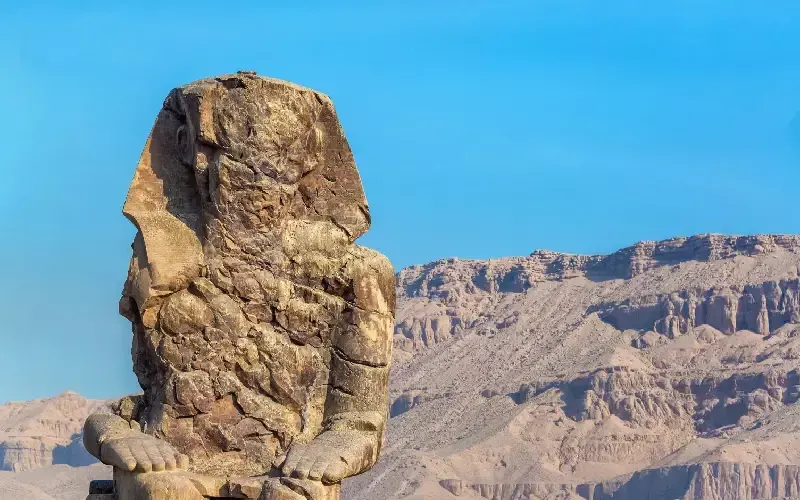
The “singing” began after the northern statue was damaged—historically linked to an earthquake. When the morning sun warmed the cracked stone, the expanding air created a faint vibrating sound. If you had visited in that era, you might have heard something described as a whistle, hum, or soft musical tone at sunrise.
Memnon and the Greek Connection
The ancient Greeks established a profound mythological connection to the Colossi of Memnon, giving these Egyptian monuments their enduring name. This cultural appropriation transformed Pharaoh Amenhotep III's statues into symbols of Greek legend, creating a fascinating cross-cultural narrative.
Who was Memnon in mythology?
In Greek mythology, Memnon was a heroic Ethiopian king who fought in the Trojan War. His name meant "the Steadfast" or "Resolute". Unlike Hector, Memnon was not a Trojan but an ally who led his armies from Africa to defend Troy against the Greeks. As son of Tithonus (a prince of Troy) and Eos (the goddess of dawn), Memnon possessed semi-divine heritage.
Memnon's significance in Greek legend primarily stemmed from his confrontation with Achilles. After killing Antilochus (Nestor's son) in battle, Memnon subsequently faced Achilles who ultimately slew him. Following his death, Zeus—moved by Eos' tears—granted Memnon immortality.
Why the Greeks linked the statue to Memnon
Greek travelers to Egypt misidentified the colossal statues around the end of the first century BCE. Originally, these monuments represented Pharaoh Amenhotep III, but the Greeks, impressed by their grandeur, associated them with their legendary hero.
What cemented this connection was the mysterious sound emitted by the northern colossus at dawn after it was damaged by an earthquake. The Greeks interpreted this phenomenon as Memnon greeting his divine mother Eos or as Eos mourning her fallen son. Subsequently, the entire Theban Necropolis became commonly referred to as the "Memnonium" in Greek accounts—a name that persisted for centuries.
The role of Eos, the goddess of dawn
Eos, the goddess of dawn in Greek mythology, played a crucial role in this cultural reinterpretation. According to legend, upon learning of her son's death at Troy, Eos wept inconsolably. Her tears were said to form the morning dew—a poetic explanation for a natural phenomenon.
This mythological element perfectly aligned with the sound emitted by the damaged colossus at sunrise. Ancient visitors believed they were witnessing Eos singing or weeping for her deceased son. The association was so compelling that even after the Romans repaired the statue—inadvertently silencing it—the name "Memnon" remained permanently attached to these Egyptian monuments.
Inscriptions and Ancient Visitors
The surfaces of the Colossi of Memnon bear silent testimony to their ancient fame through numerous inscriptions carved by visitors. These markings represent one of antiquity's earliest examples of tourist graffiti.
Greek and Latin inscriptions on the statues
Upon the legs and base of the northern colossus, visitors carved 107 inscriptions between 20-250 CE – 61 in Greek, 45 in Latin, and one bilingual text. Initially cataloged by Jean-Antoine Letronne in 1831, these inscriptions provide direct evidence of the statues' prominence in the Roman world. Most carvings appear on the lower portions, strategically placed to avoid damaging the original Egyptian decorations.
What the inscriptions reveal about ancient tourism
These ancient markings offer glimpses into early tourism practices. Most inscriptions follow a simple pattern – visitors documented whether they heard the famous sound, typically noting it occurred "at the first hour" (dawn). Military officials, government administrators, and even eight prefects of Egypt left their marks. Some travelers brought family members, creating what might be considered the ancient equivalent of family vacation photos.
Julia Balbilla and Emperor Hadrian's visit
In November 130 CE, Emperor Hadrian and his wife Sabina visited the colossi as part of their Egyptian tour. Julia Balbilla, a poet in Sabina's retinue, composed four Aeolic Greek poems commemorating their experience. Her sophisticated verses detail Hadrian hearing the statue's sound twice, whereas Sabina initially heard nothing until a subsequent visit. Uniquely, Balbilla dedicated substantial portions of her poetry to establishing her own noble lineage.
The end of the singing after Roman repairs
Historically, Emperor Septimius Severus visited the statues in 202 CE but failed to hear the celebrated sound. Attempting to restore the monument's glory, he ordered repairs to the cracks. Ironically, these well-intentioned reconstructions permanently silenced the Colossi. The abrupt end of inscriptions around 205 CE confirms that after the repairs, the phenomenon that had drawn visitors for two centuries disappeared completely.
The sound stopped after Emperor Septimius Severus repaired the damaged northern statue around 196 CE. By sealing the cracks, the restoration unintentionally removed the conditions that produced the acoustic effect. So today, even if you visit at sunrise, the statues remain completely silent.
The Colossi of Memnon are two giant statues of Pharaoh Amenhotep III, each standing about 18 meters tall on the west bank of Luxor. When you visit them, you’re looking at structures that date back to around 1350 BCE. Their significance comes not only from their massive scale but also from the mysterious “singing” sound one of them used to produce at dawn, which made the site world-famous in antiquity.
Greek visitors mistakenly identified the statues as representations of Memnon, a mythological Ethiopian king. Because the “singing” happened at dawn, they interpreted it as Memnon calling out to his mother, the goddess of the morning light. So if you read ancient accounts, you’ll find this myth woven into how travelers understood the site.
The Colossi are covered with over 100 inscriptions in Greek and Latin, left by travelers between the 1st and 3rd centuries CE. These engravings are basically ancient “visitor reviews.” Many describe whether the traveler heard the dawn sound—so if you were visiting back then, you might have added your own note about the experience.
Beyond being monumental statues, the Colossi served as symbolic guardians of Amenhotep III’s mortuary temple. When you picture them in context, they weren’t isolated monuments but part of a sacred landscape where rituals, offerings, and royal ceremonies were performed. They marked the boundary between the world of the living and the realm of the gods, emphasizing the king’s eternal role in maintaining cosmic order.
Although the mortuary temple behind the statues was once one of the largest ever built in Egypt, very little of it survives today. The site was largely destroyed by flooding, earthquakes, and stone removal in later periods. What you see now are scattered blocks, faint foundations, and ongoing excavation areas that help archaeologists piece together how massive the original complex truly was.
While the statues no longer “sing,” visitors can still spot several rare features—like Greek and Roman inscriptions, evidence of ancient repairs, and faint carvings on the base that show the Nile gods and members of Amenhotep’s family. If you look carefully at sunrise or sunset, the light highlights details in the stone that aren’t noticeable during midday, giving the colossi a dramatic, almost lifelike presence.


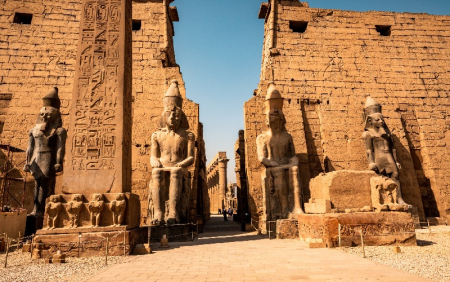
Luxor Temple, built by Amenhotep III and expanded by Ramses II, is a breathtaking New Kingdom monument dedicated to the renewal of kingship. Located on Luxor’s east bank, it stands as one of Egypt's most iconic sanctuaries, celebrated for its grand pylons, colossal statues, and deep religious significance.
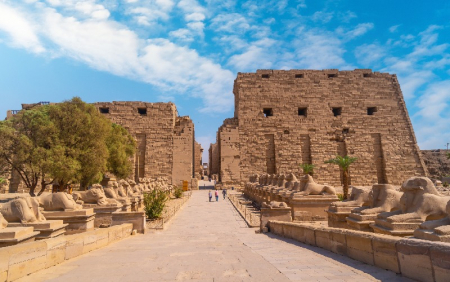
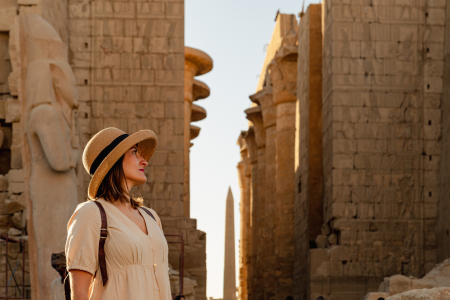
Karnak Temple in Luxor is an iconic ancient Egyptian complex, showcasing grand architecture, rich history, and the spiritual and political legacy of Thebes across nearly 2,000 years of construction.
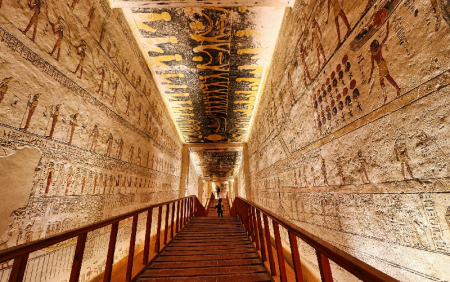
The Valley of the Kings is Egypt’s legendary royal necropolis, featuring 65 tombs of New Kingdom pharaohs, remarkable engineering, and world-famous discoveries like Tutankhamun’s burial.
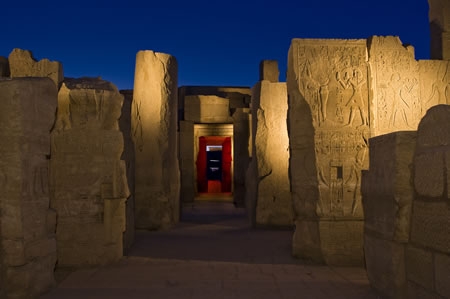
The Karnak Sound and Light Show transforms the vast temple complex into a magical nighttime spectacle, combining illuminated monuments, music, and storytelling to bring ancient Egyptian history vividly to life.
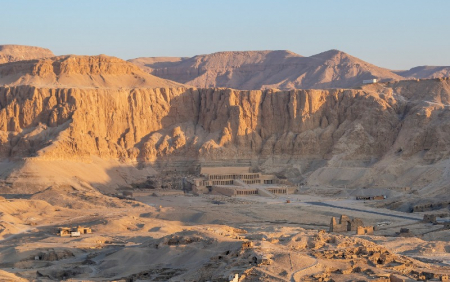
Discover the Valley of the Queens in Luxor, Egypt, with royal tombs, stunning art, and UNESCO heritage significance.
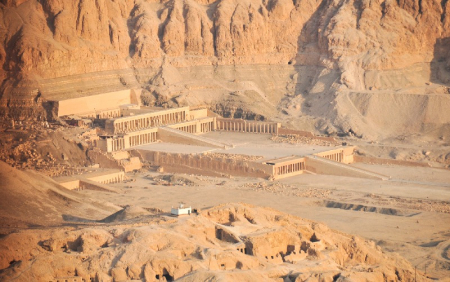
The Temple of Hatshepsut is a breathtaking 18th-Dynasty mortuary temple at Deir el-Bahari, famed for its grand terraces, cliffside design, and historical significance.
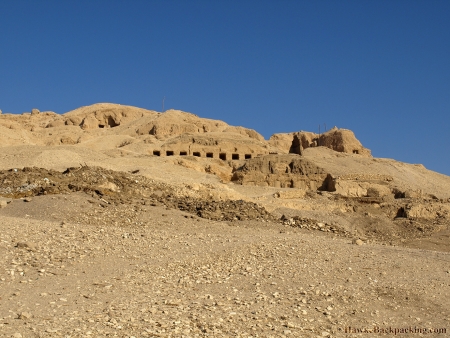
Explore the Valley of the Nobles in Luxor and learn how its 400+ tombs reveal vivid scenes of daily life and remarkable artistry from ancient Egypt’s New Kingdom.
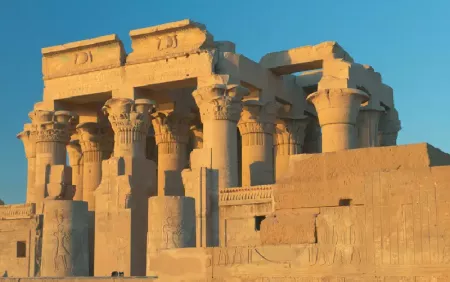
Kom Ombo Temple—Egypt’s remarkable twin sanctuary honoring Sobek and Haroeris, famed for its perfect symmetry and sacred crocodile traditions.
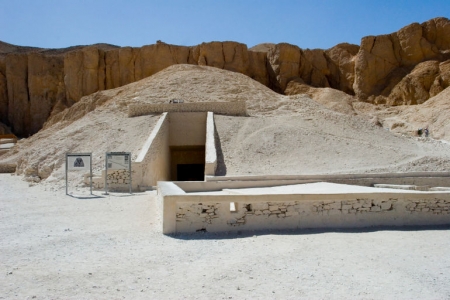
Tutankhamun’s tomb revealed over 5,000 stunning treasures, from gold chariots to the iconic mask, reshaping our understanding of ancient Egypt after its discovery in 1922.
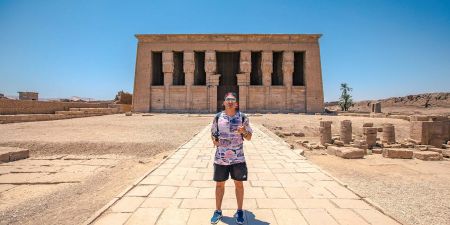
Dendera Temple, 60km from Luxor, is Egypt's remarkably preserved healing sanctuary for Hathor. Explore vivid colors, hidden crypts & ancient astronomical knowledge.
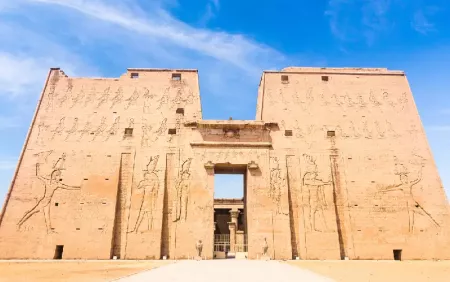
The Temple of Edfu, buried for centuries, is one of Egypt’s best-preserved temples—offering a vivid look into Ptolemaic religion, mythology, and architecture.
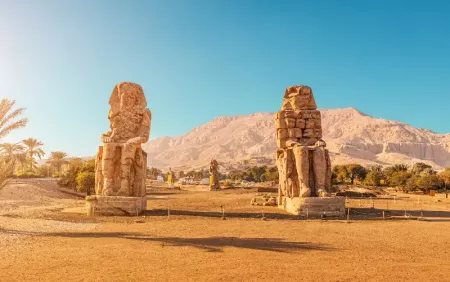
The Colossi of Memnon are 18-meter statues of Amenhotep III, once famed for their mysterious dawn “singing,” which captivated ancient visitors and inspired over a hundred inscriptions.
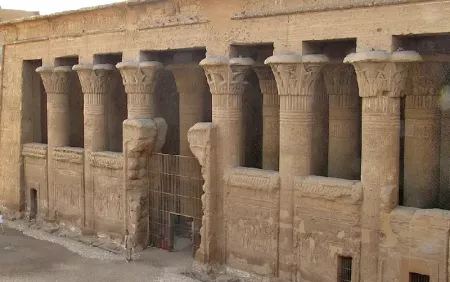
The Temple of Khnum at Esna, built from the Ptolemaic to Roman periods, features a stunning hypostyle hall with 24 ornate columns and reflects centuries of devotion to the creator god Khnum.
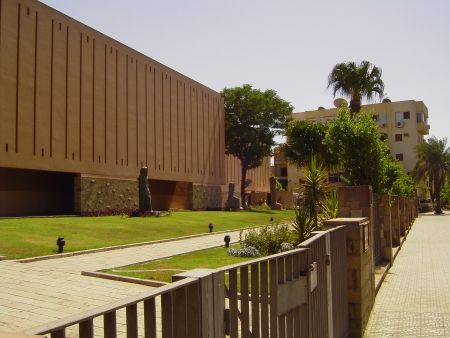
Luxor’s Mummification Museum offers an immersive look at ancient embalming methods, displaying tools, human and animal mummies, and the notable mummy of Masaharta.
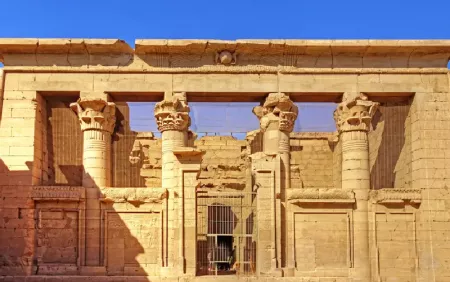
Kalabsha Temple, built under Emperor Augustus, was rescued from rising Nile waters in the 1960s and relocated block by block to New Kalabsha Island. Today, it remains a key UNESCO-recognized Nubian monument.
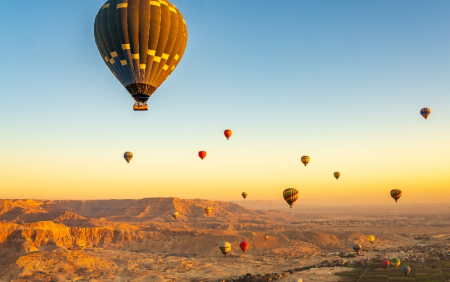
Soar above Luxor at sunrise in a hot air balloon and witness ancient temples, the Nile, and royal necropolises from the sky. This unforgettable experience offers breathtaking views and a unique perspective on Egypt’s timeless heritage.
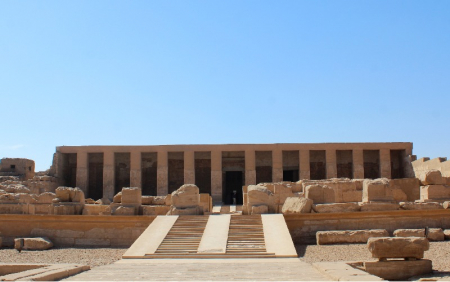
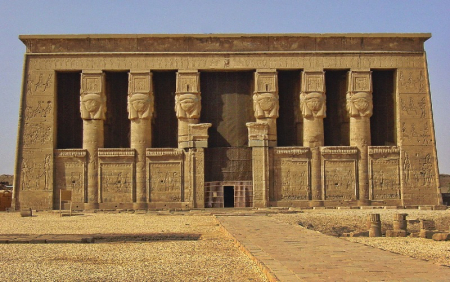
Explore the Temple of Hathor at Dendera, a remarkably preserved ancient Egyptian sanctuary dedicated to the goddess of love, music, and healing, renowned for its zodiac, vibrant reliefs, and astronomical ceilings.
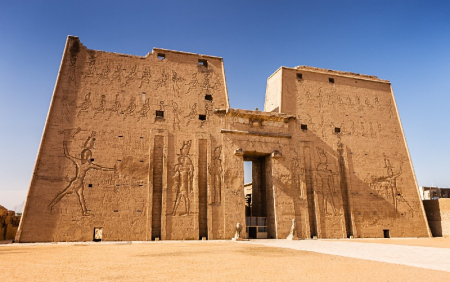
Visit the Temple of Horus at Edfu, a remarkably preserved Ptolemaic temple showcasing ancient Egyptian rituals, art, and architecture.
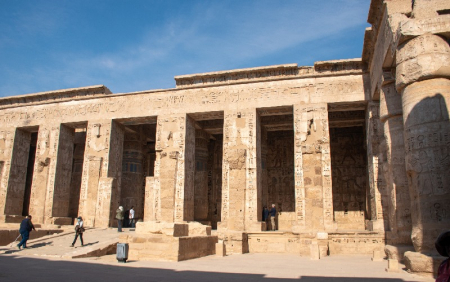
Explore Medinet Habu, Ramesses III’s temple, where history, religion, and artistry come alive on Luxor’s West Bank.
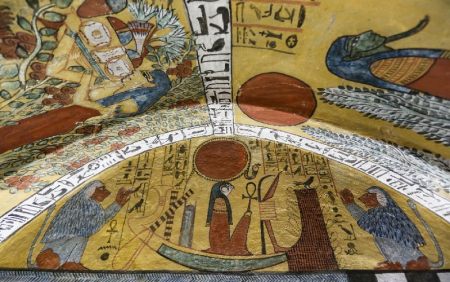
Deir el-Medina was home to the elite artisans who built and decorated Egypt’s royal tombs. Discover their homes, work, religion, and extraordinary daily life.
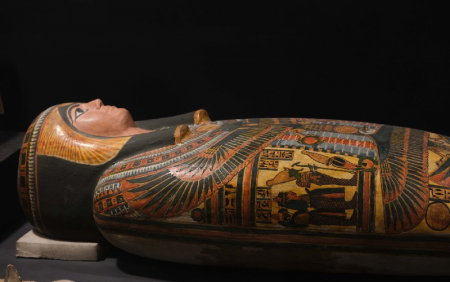
The Mummification Museum in Luxor showcases ancient Egyptian embalming, mummies, and artifacts, including Masaharta’s preserved remains and mummified animals.
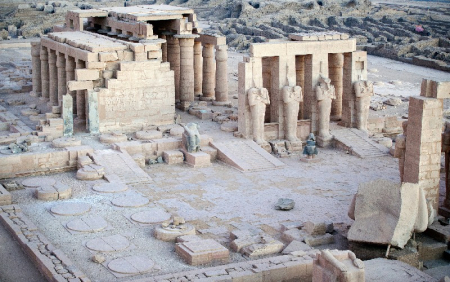
Discover the Mortuary Temple of Amenhotep III, once the largest in Thebes, famed for the Colossi of Memnon and ongoing restorations in Luxor.