
 Home
Home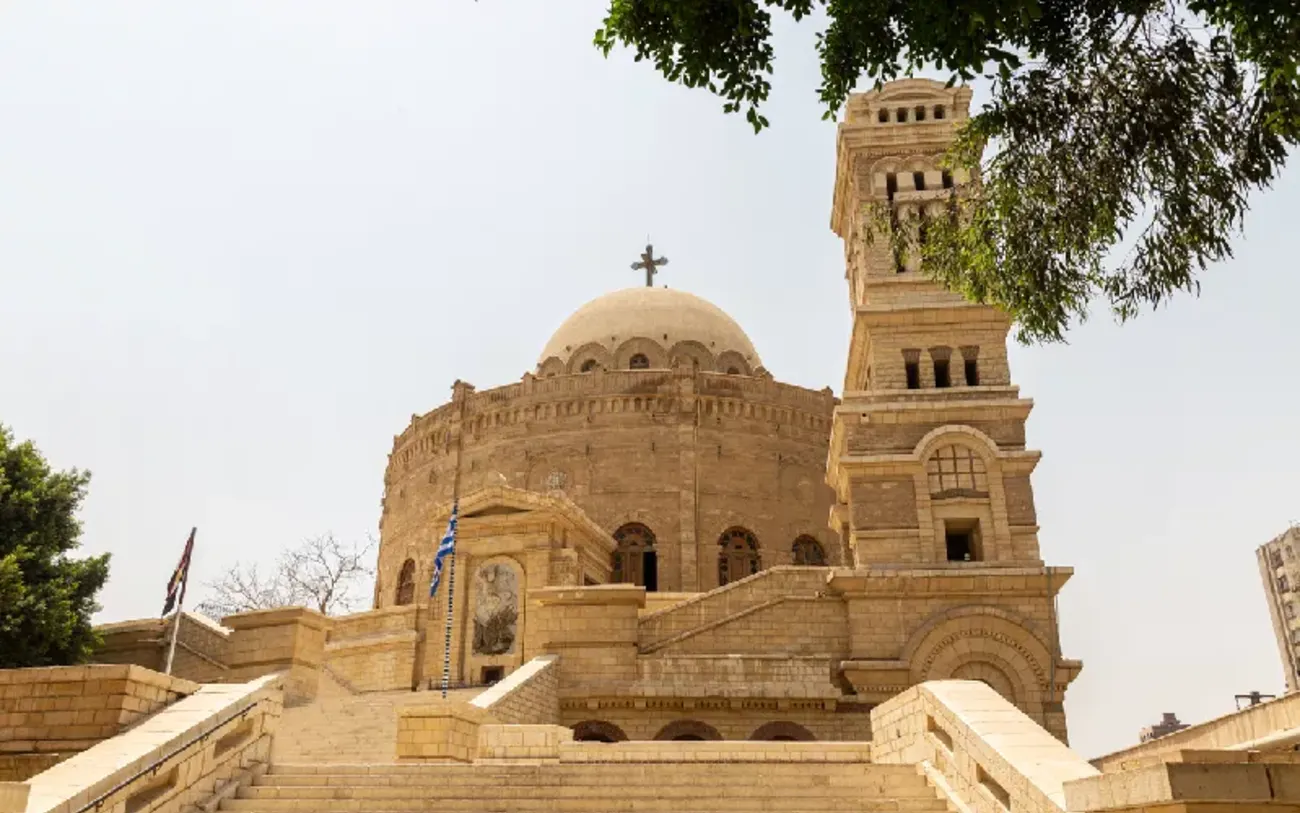
St. George Church is located in the heart of Old Cairo, within a broader monastic complex. It stands among other important Coptic landmarks including the Hanging Church, Church of St. Sergius and Bacchus (Abu Serga), and the Coptic Museum, all within walking distance.
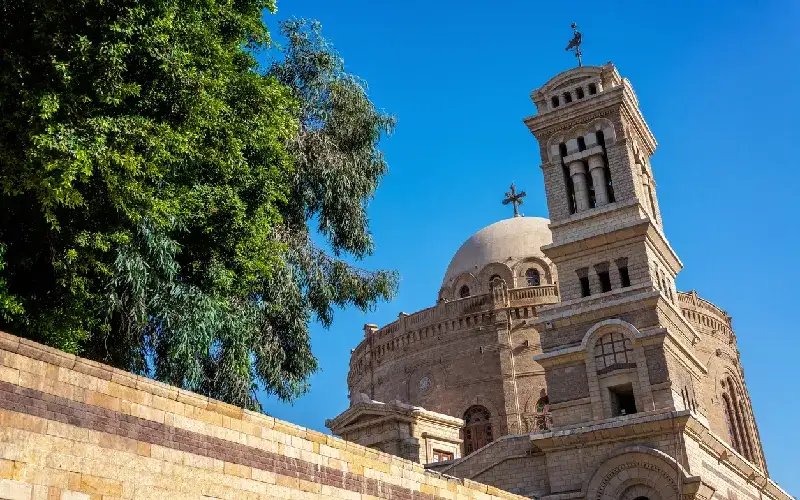
The original church was first built in 684 AD under the patronage of a wealthy scribe named Athanasius. The present structure was completed in 1909 following a devastating fire, and was constructed upon the foundations of an ancient Roman fortification tower.
The Venerated Martyr : Saint George and His Enduring Legacy
Saint George, the church’s namesake, is a beloved figure in Christian history, with a story that transcends borders and time. Born in Cappadocia (modern-day Turkey) around 280 AD, Saint George became a soldier in the Roman army, rising through the ranks to become part of the imperial guard. His steadfast Christian faith led to his martyrdom at the hands of Emperor Diocletian, who sought to eradicate Christianity during his reign. Saint George’s refusal to renounce his beliefs led to his execution by beheading in 303 AD.
Over time, Saint George’s legend grew, particularly in Egypt, where he is revered not only by Christians but also by Muslims. Many believe that his martyrdom occurred in Egypt, adding to the significance of this church, where his legacy is honored. Pilgrims often come to this church to pay tribute to Saint George, many of them seeking the healing powers attributed to his relics.
Saint George was born in Cappadocia (modern-day Turkey) around 280 AD and became a soldier in the Roman army, rising to the imperial guard. His steadfast Christian faith led to his martyrdom by Emperor Diocletian, who executed him by beheading in 303 AD for refusing to renounce Christianity.
Saint George is revered by both Christians and Muslims in Egypt. Many believe his martyrdom occurred in Egypt, adding significance to this church where his legacy is honored. Pilgrims come to pay tribute and seek healing powers attributed to his relics.
The Sacred Interior: Architectural Splendor and Divine Mysteries
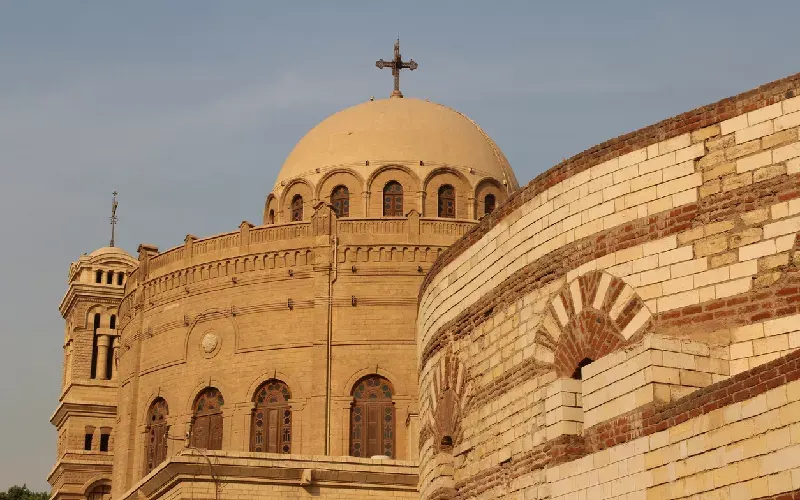
As you step inside St. George Church, you enter a space where art, architecture, and faith converge. The church’s unique circular design creates a sense of harmony and spiritual energy that is unlike the traditional basilica-style churches found in other parts of Cairo. The architecture draws visitors in with its sweeping curves and celestial atmosphere, focusing all attention on the center of the space where the sacred icon of Saint George resides.
Behind bronze barriers, the iconic image of Saint George riding his horse, spear in hand, stands as a testament to the warrior saint's bravery. This stunning work of art, positioned above the site where Saint George is said to have been martyred, draws pilgrims and visitors alike, who place handwritten petitions between the bars, seeking divine intervention.
One of the church’s most revered relics is the iron chain of Saint George, believed to possess miraculous healing powers. Pilgrims who suffer from ailments, especially mental or spiritual afflictions, have long sought healing by touching the chain, which is regarded as a source of divine grace.
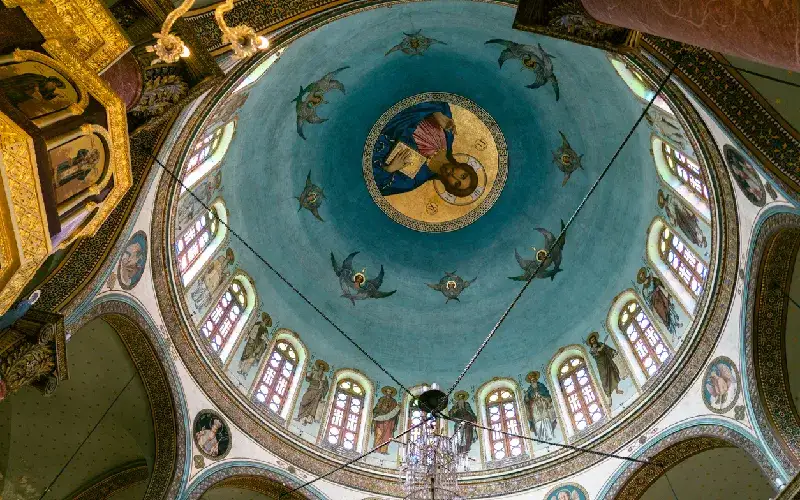
The church's dome, painted a deep shade of blue, is a visual marvel. It is adorned with intricate icons that tell biblical stories, adding to the church’s sense of spiritual reverence. The stained-glass windows filter the sunlight, creating colorful patterns across the stone floor, further enhancing the church’s divine atmosphere.
Customize Your Dream Vacation!
Get in touch with our local experts for an unforgettable journey.
Plan Your TripThe Monastic Complex : A Place of Sacred History
Beyond the church itself lies a broader monastic complex that offers a glimpse into the church’s multifaceted history. This compound has served many purposes over the centuries, from a convent to a medical center, educational institution, and burial ground. Today, it still serves as the residence of the Greek Orthodox Patriarch of Alexandria, a key figure in the church’s administration.
Adjacent to the church is a museum that houses a remarkable collection of liturgical artifacts and iconographic masterpieces. This museum offers visitors the chance to learn more about the rich history of the Greek Orthodox Church in Egypt and its spiritual significance.
The compound also includes a cemetery, where members of Egypt’s Greek community have been laid to rest for centuries. This cemetery holds a special place in the hearts of many Egyptians, as it connects the present with the past, preserving the legacy of generations.
Perhaps one of the most profound features of the complex is its underground chapel, which tradition holds as the very place where the Holy Family sought refuge during their time in Egypt. Within this subterranean space lies a well, which is believed by some to have healing properties. This sacred space offers a sense of peace and quiet contemplation, a place where visitors can reflect on Egypt’s rich religious heritage.
The complex includes the main church, a museum housing liturgical artifacts and iconographic masterpieces, the residence of the Greek Orthodox Patriarch of Alexandria, a cemetery for Egypt's Greek community, and a sacred underground chapel traditionally linked to the Holy Family's refuge in Egypt.
Optimal Strategies for Experiencing This Sacred Monument
To truly appreciate the full significance of St. George Church, a bit of preparation can go a long way. For those seeking a quiet and peaceful experience, visiting the church on weekday mornings is ideal. This time offers the best lighting for photographs and provides a calm atmosphere, allowing visitors to fully absorb the beauty of the church without the crowds.
As a place of worship, it is essential to be respectful of the sacred space. Visitors should dress modestly, covering shoulders and knees, and always ask for permission before taking photos inside the church. For those looking to delve deeper into the church’s history, it’s recommended to hire a knowledgeable guide. The clergy and professional guides are always happy to share their expertise and provide insights into the church’s spiritual and historical significance.
For a more comprehensive experience, consider exploring other nearby Coptic landmarks, such as the Hanging Church, the Church of St. Sergius and Bacchus (Abu Serga), and the Coptic Museum. These sites are all within walking distance and offer a deeper understanding of Coptic Christianity’s influence on Egyptian culture.
St. George Church is much more than an architectural wonder; it is a living testament to Egypt’s rich religious heritage. From its unique circular design to the revered relics and powerful icons, the church offers an immersive experience that connects visitors to centuries of devotion, history, and faith. Whether you’re a pilgrim seeking healing or a history enthusiast exploring the architectural legacy of Old Cairo, St. George Church provides a profound and moving journey into Egypt’s spiritual past.
St. George Church Highlights
- Best time to visit: Weekday mornings provide the best atmosphere—peaceful, with optimal lighting for photography and fewer crowds.
- Combine with nearby Coptic sites: Plan to explore other religious landmarks such as the Hanging Church and the Coptic Museum for a complete experience of Old Cairo’s spiritual heritage.
- Dress modestly: To show respect for the sacred space, cover your shoulders and knees, and always ask permission before taking photos inside.
- Experience the healing relics: Don’t miss the chance to view the miraculous iron chain of Saint George and the revered icon behind bronze barriers, central to centuries of pilgrimage.
- Explore beyond the main church: The monastery grounds include the Patriarch’s residence, museum, Greek cemetery, and a sacred underground chapel linked to the Holy Family’s journey.
- St. George Church offers a rare, authentic look into Egypt’s diverse religious and spiritual traditions, providing a moving and enriching experience that bridges the ancient with the modern.
St. George Church is one of the few circular churches in Egypt, built on the foundations of an ancient Roman fortification tower. This unique circular design creates a sense of harmony and spiritual energy, focusing attention on the center where the sacred icon of Saint George resides.
The iron chain of Saint George is one of the church's most revered relics, believed to possess miraculous healing powers. Pilgrims who suffer from ailments, especially mental or spiritual afflictions, have long sought healing by touching the chain, regarded as a source of divine grace.
Behind bronze barriers stands the iconic image of Saint George riding his horse with spear in hand, positioned above the site where he is said to have been martyred. Pilgrims place handwritten petitions between the bars seeking divine intervention.
Yes, adjacent to the church is a museum housing a remarkable collection of liturgical artifacts and iconographic masterpieces. The museum offers insights into the rich history of the Greek Orthodox Church in Egypt and its spiritual significance.
The underground chapel is traditionally believed to be the place where the Holy Family sought refuge during their time in Egypt. This sacred subterranean space contains a well believed by some to have healing properties, offering a place for quiet contemplation.


The Great Pyramids of Giza, Egypt’s iconic monuments, showcase ancient engineering brilliance and remain the last wonder of the ancient world, continuing to fascinate visitors and researchers alike.

The Egyptian Museum in Cairo houses over 170,000 ancient artifacts, including Tutankhamun's complete collection and golden death mask. Opened in 1902, it's the world's largest repository of Egyptian antiquities.

Khan el-Khalili is Cairo’s legendary medieval bazaar, where centuries-old Islamic architecture, vibrant trade, and timeless cafés create a living cultural landmark.

The Great Sphinx of Giza, with its lion body and pharaoh head, represents ancient Egyptian artistry, symbolic power, and enduring cultural fascination.

Tanoura is a traditional Egyptian Sufi dance known for its colorful spinning skirts, spiritual rhythm, and deep roots in ancient mystic traditions.

Saqqara, Egypt's ancient necropolis, features Djoser's Step Pyramid—the world's oldest. Spanning 3,000 years, it preserves royal tombs and sacred animal burials.

The Valley Temple at Giza, built 2570 BCE by Khafre, features 16 granite columns and hosted sacred afterlife rituals. Explore Fourth Dynasty architecture.

The Citadel of Cairo is a historic medieval fortress and royal complex, showcasing centuries of Egyptian power, Mamluk architecture, and Islamic heritage, now preserved as a UNESCO World Heritage Site.

Khufu's Solar Boat is a 142-foot cedar vessel discovered 1954 near the Great Pyramid. Built without nails 4,500 years ago, it's now at Grand Egyptian Museum.

St. George Church in Old Cairo, founded 684 AD, features unique circular design, sacred healing relics & underground chapel linked to the Holy Family's refuge.

Pyramids Sound and Light Show transforms Giza into open-air theater with 50 minutes of narration, music & lighting bringing ancient Egyptian history alive.

The Djoser Pyramid at Saqqara is Egypt's first pyramid, built 2600 BCE by architect Imhotep. Standing 62.5m tall, it reopened to visitors in 2020.

The Hanging Church in Old Cairo is a 1,300-year-old Coptic sanctuary built on Babylon Fortress. Free entry, open daily 9 AM-5 PM, dress modestly required.
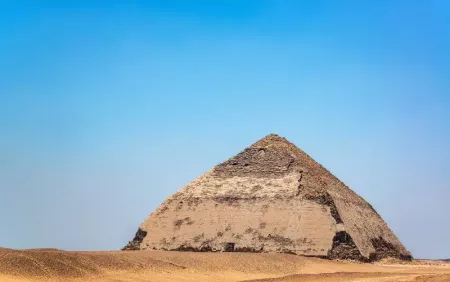
The Bent Pyramid at Dahshur features a rare bent profile created by ancient construction adjustments, offering insight into Egypt’s earliest attempts at smooth-sided pyramids.

Coptic Cairo features 4th-century churches and recent tomb discoveries revealing early Christian heritage. Explore the Hanging Church, Abu Serga & sacred sites.
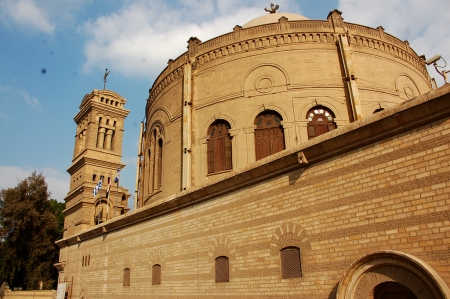
Saint Barbara’s Church in Coptic Cairo is one of Egypt’s oldest Christian monuments, dating back to the 5th–6th century. Known for housing the relics of Saint Barbara, the church reflects centuries of Coptic heritage, architectural evolution, and deep spiritual significance.

Explore the Fortress of Babylon, a major Roman fort in Old Cairo known for its strategic location, massive towers, and enduring historical significance.
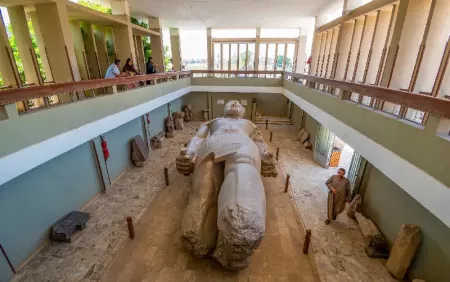
Memphis Necropolis is Egypt’s ancient royal burial site, home to pyramids, tombs, and monuments that reflect the early development of pharaonic civilization.
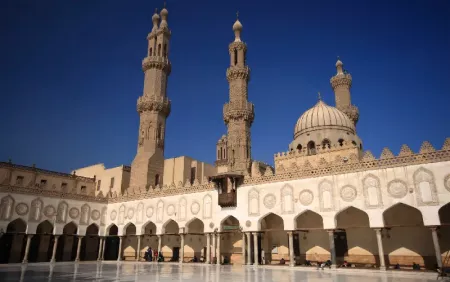
Al-Azhar Mosque is a landmark of Islamic scholarship and Fatimid architecture, home to the world’s second-oldest university and a symbol of Cairo’s spiritual heritage.
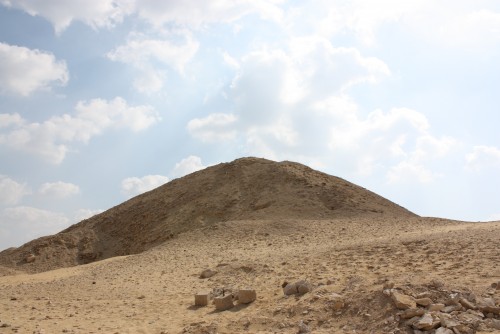
Teti’s Pyramid in Saqqara is an Old Kingdom monument built for the first king of the Sixth Dynasty. Known for its Pyramid Texts and unique mortuary chapel, it remains one of Egypt’s most historically important royal tombs.
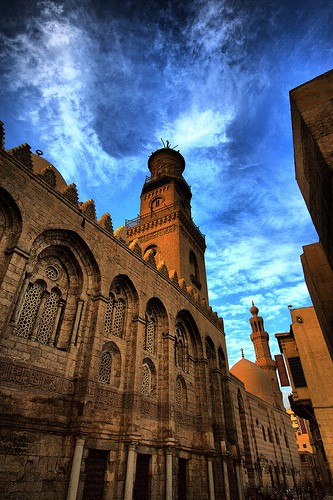
Al Muizz Street is one of Cairo’s oldest and most vibrant historic avenues, showcasing centuries of Islamic architecture. Lined with mosques, palaces, and bustling markets, it offers a captivating walk through Egypt’s medieval past.
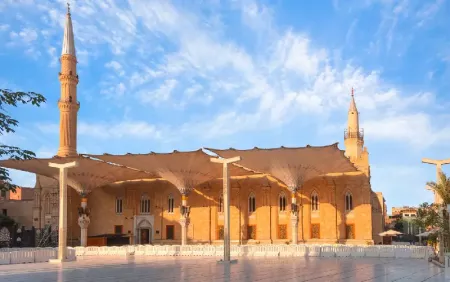
Al-Hussein Mosque is one of Cairo’s most sacred Islamic landmarks, built in 1154 and revered for housing the head of Imam Hussein. Located by Khan El-Khalili, it blends centuries of architectural heritage and remains a major pilgrimage site.
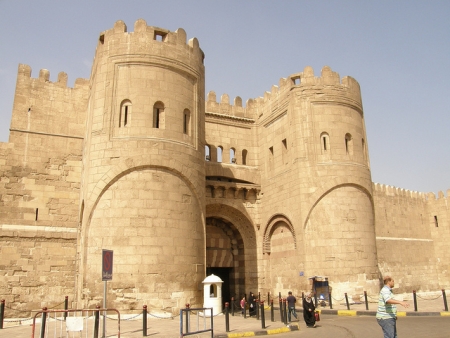
Bab al-Futuh is an 11th-century Fatimid gate in Old Cairo, famous for its massive round towers and strategic role in the city’s medieval fortifications.
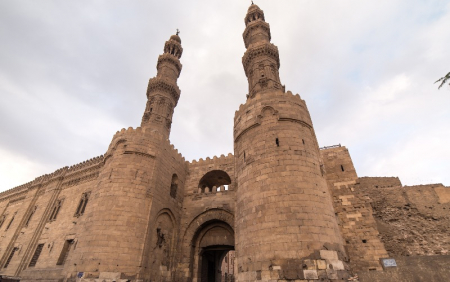
Bab Zuweila is one of Cairo’s last surviving medieval gates, built in 1092 CE by the Fatimid vizier Badr al-Jamali. Famous for its towering twin bastions, massive wooden doors, and later Mamluk minarets, it served as a defensive stronghold, execution site, and ceremonial gateway. Today, it stands as one of Cairo’s most iconic historic monuments.
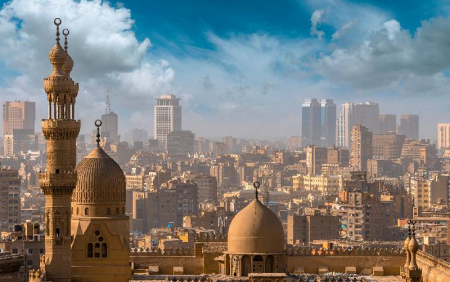
Al Rifai Mosque in Cairo blends Neo-Mamluk architecture with royal history. Completed in 1912, it serves as both a majestic mosque and mausoleum for Muhammad Ali’s family.
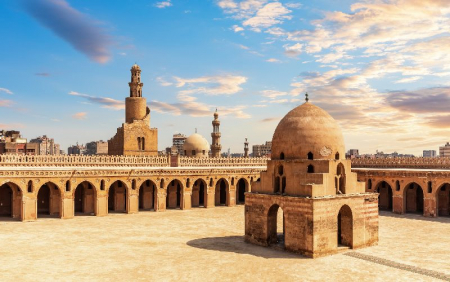
The Ibn Tulun Mosque, Cairo’s oldest well-preserved mosque, dates back to 879 CE. Famous for its vast square layout, intricate arches, and 128 ornate stucco windows, it remains a pinnacle of early Islamic architecture and a must-visit historical landmark.
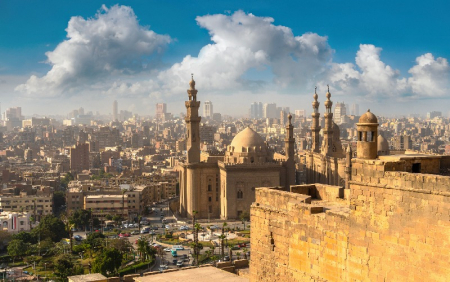
The Sultan Hassan Mosque, built in the 14th century, is a Bahri Mamluk architectural marvel in Cairo, renowned for its grand portal, extensive madrasas, and historic significance.

The Suez Canal, Egypt’s iconic waterway, connects Africa and Asia, handling thousands of ships yearly and shaping international trade.
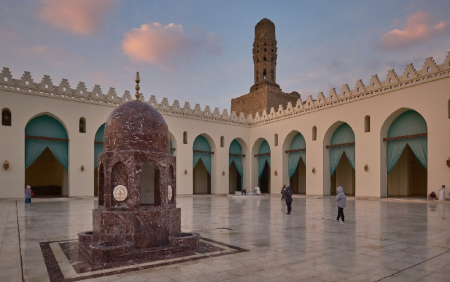
Al-Hakim Mosque, Cairo, is a stunning Fatimid-era mosque built between 990–1013 CE. Famous for its grand courtyard, distinctive minarets, and rich history, it remains a key cultural and religious landmark.
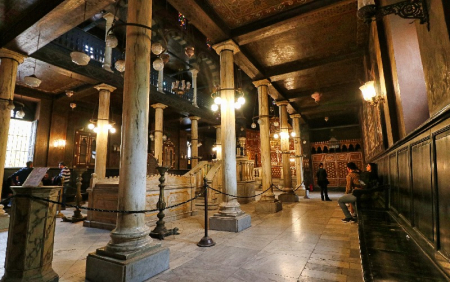
The Ben Ezra Synagogue, founded in the 11th century in Old Cairo, is Egypt’s oldest Jewish monument and the discovery site of the renowned Cairo Geniza.