
 Home
Home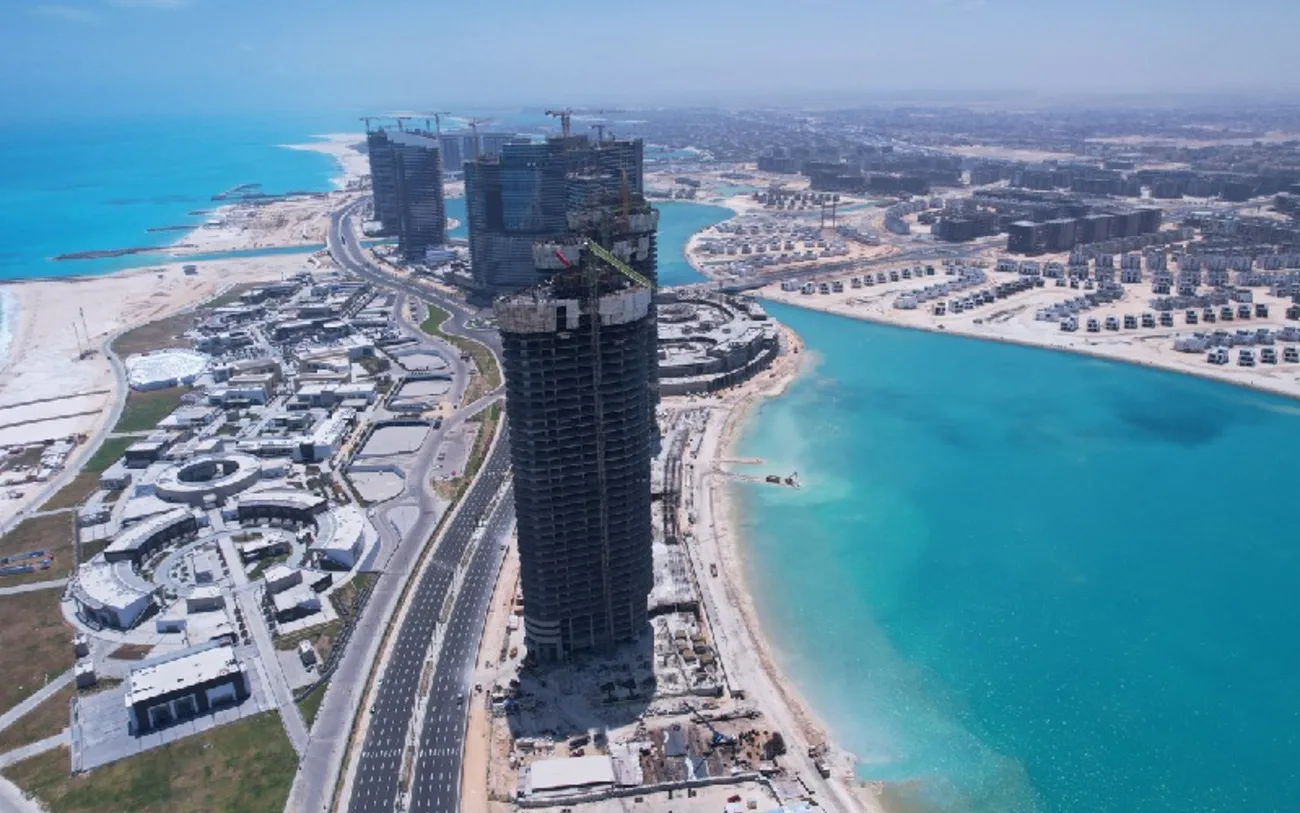
El Alamein stands as a remarkable Egyptian coastal destination where history and modernity converge along the Mediterranean Sea. Located approximately 100 kilometers west of Alexandria, this area has transformed from a pivotal World War II battleground into one of Egypt's most ambitious modern urban developments. Winston Churchill famously declared, "Before El Alamein, we never had a victory. After El Alamein, we never suffered a defeat," highlighting the city's historical significance.
The transformation of El Alamein extends far beyond its wartime past. What was once known primarily as a 1942 battlefield has evolved into a thriving coastal community. New El Alamein City, officially opened by Egyptian President Abdel Fattah El-Sisi in March 2018, represents a modern development initiative that honors the area's historical importance while creating opportunities for Egypt's future. This remarkable evolution from battlefield to fourth-generation smart city showcases the area's resilience and demonstrates how historical preservation can coexist with progressive urban development.
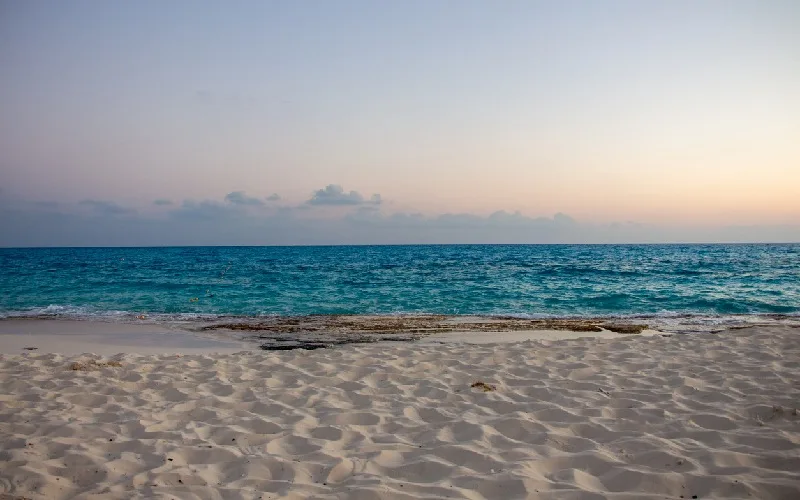
El Alamein is renowned for being the site of two crucial World War II battles in 1942 that marked a turning point in the North African campaign. The Allied victory at El Alamein prevented Axis forces from gaining control of the Suez Canal and Middle Eastern oil fields, significantly altering the course of the war.
The Strategic Importance of El Alamein
The geographic position of El Alamein has shaped its destiny throughout history. Located 106 kilometers west of Alexandria and 300 kilometers northwest of Cairo, this Mediterranean coastal area occupies a unique position along Egypt's northern coastline.
Geographic location between Alexandria and Libya
El Alamein marks a crucial point along Egypt's Mediterranean coast, positioned at the northern end of a natural bottleneck created by the sea to the north and the Qattara Depression to the south. The Depression—Africa's second-lowest point—forms a vast natural barrier with its salt marshes, soft sand, and steep cliffs.
This geographical configuration creates a distinctive landscape that has influenced the area's development. The narrow coastal corridor, just 40 miles wide, extends between the Mediterranean Sea and the impassable depression. At only 60 miles from Alexandria, El Alamein's position makes it strategically located for both historical and modern purposes, serving as a gateway between Egypt's major population centers and the western desert regions.
Why it became a WWII battleground
El Alamein's location made it significant during World War II due to its position as a gateway to vital Middle Eastern resources. The area represented access to the Suez Canal and the region's oil reserves, making it strategically important during the global conflict. The natural defensive qualities of the terrain, combined with its proximity to Alexandria and Cairo, established El Alamein as a critical point during the North African campaign of 1942.
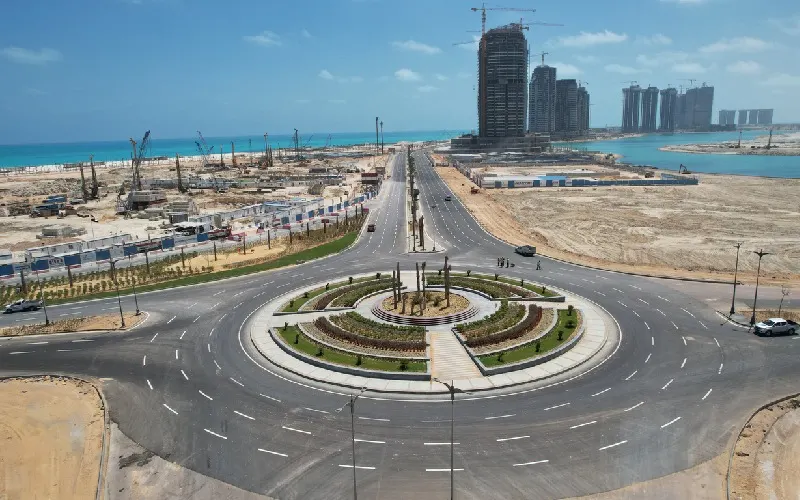
The Battles That Changed History
Two decisive confrontations in 1942 placed El Alamein on the world stage, transforming it from a small coastal town into a historically significant location.
The First Battle of El Alamein (July 1942)
In July 1942, the first battle effectively halted advancing forces, establishing El Alamein as a turning point. The engagement demonstrated the strategic importance of the location and its natural defensive advantages.
The Second Battle of El Alamein (October 1942)
The October 1942 battle proved decisive, marking the first major Allied victory and changing the trajectory of the North African campaign. This confrontation established El Alamein's place in military history.
Key military leaders: Rommel and Montgomery
Field Marshal Erwin Rommel, known as the "Desert Fox," and General Bernard Montgomery became forever associated with El Alamein. Their tactical decisions shaped the battles that would define the area's historical significance.
Impact on the North African campaign
Churchill described the victory as "not the end, but the end of the beginning." The battles at El Alamein effectively ended threats to the Middle East and shifted momentum in the North African theater, establishing the site's historical importance.
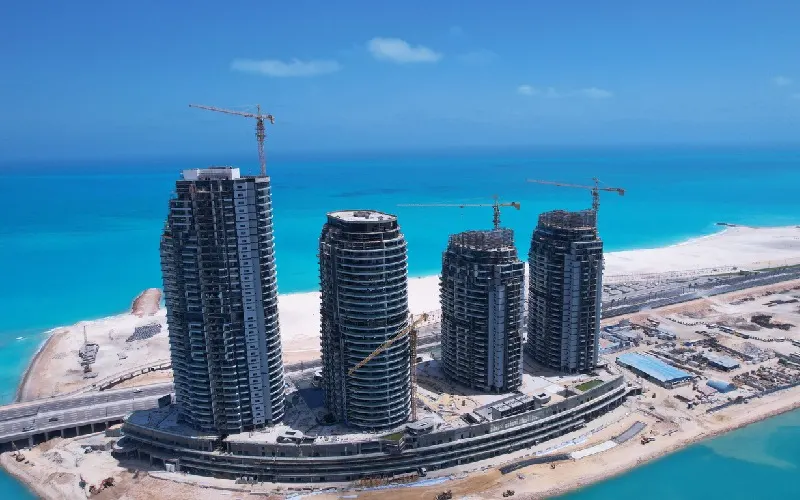
El Alamein has undergone a remarkable transformation from a war-torn battlefield to a modern urban center. The development of New El Alamein City, officially opened in 2018, represents Egypt's vision for a fourth-generation smart city with advanced urban planning, universities, and integrated historical elements.
Customize Your Dream Vacation!
Get in touch with our local experts for an unforgettable journey.
Plan Your TripMemorials and Museums in El Alamein
Today, several memorials and museums preserve the memory of the battles, creating an important cultural and historical tourism destination along Egypt's northern coast.
El Alamein War Museum
Founded on December 16, 1965, the El Alamein War Museum underwent significant renovations in 1992 and reopened with enhanced exhibits in 2014. The museum houses an extensive collection of uniforms, weapons, and armored vehicles, providing educational resources for visitors interested in World War II history.
Commonwealth War Cemetery
The El Alamein War Cemetery contains 7,239 Commonwealth burials. Adjacent stands the Alamein Memorial, designed by Hubert Worthington and unveiled on October 24, 1954, commemorating 11,866 service members.
German Memorial
Built in 1959, the German War Cemetery features an impressive octagonal structure atop Alam Abd Al Gawad mountain overlooking the Mediterranean Sea, with an 11.5-meter obelisk at its center.
Italian Memorial
Located 11km west of El Alamein, the Italian memorial features a distinctive white marble tower designed by Paolo Caccia Dominioni and constructed between 1954-1958.
9th Division Memorial
This memorial honors Australia's 9th Division, nicknamed "The Magnificent Ninth," recognizing their significant contribution to the campaign.
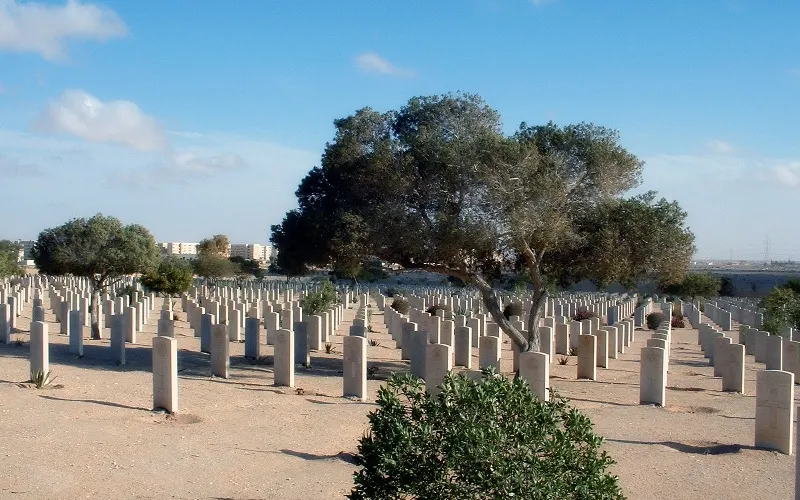
El Alamein features several memorials honoring those who fought in the battles, including the El Alamein War Museum, Commonwealth War Cemetery, German Memorial, Italian Memorial, and the 9th Division Memorial. These sites preserve the memory of thousands who lost their lives during the 1942 confrontations.
From Battlefield to Modern City
El Alamein's most remarkable transformation began in recent decades, as Egypt envisioned a thriving coastal metropolis where history meets innovation.
Post-war transformation of El Alamein
For decades after 1942, the area remained relatively undeveloped due to unexploded ordnance throughout the surrounding desert. In 2010, the Egyptian Ministry of International Cooperation announced a $10 billion development plan aimed at creating 400,000 jobs and expanding the population from 300,000 to over 1.5 million. Extensive demining efforts across approximately 2,800 square kilometers paved the way for modern development.
Development of New El Alamein City
In March 2018, New El Alamein City was officially inaugurated. Located along the Mediterranean Sea, this integrated urban development spans 48,917 feddans (approximately 205 square kilometers). The project represents a cornerstone of Egypt's broader Western North Coast Development Project, featuring presidential and cabinet buildings, international hotels, residential complexes, and commercial centers.
The city has been designed to attract both permanent residents and seasonal visitors, offering modern amenities, cultural facilities, and economic opportunities. The Mediterranean location provides attractive beaches and coastal recreation, while the urban infrastructure supports year-round living and business activities.
Fourth-generation city planning
As Egypt's newest "smart city," New El Alamein incorporates advanced technological and urban planning concepts rarely seen in traditional Egyptian cities. The city is structured into distinct zones—tourism, historical, and residential segments—each designed with specific purposes and amenities.
Plans include three universities, fifteen skyscrapers, and 10,000 hotel rooms, creating a comprehensive urban environment. Unlike traditional North Coast resorts with exclusive private beaches, New El Alamein is designed as an open city allowing public access, promoting inclusive development and community building.
The smart city features include advanced infrastructure for utilities, telecommunications, and transportation. Sustainable development principles guide construction, with attention to water management, energy efficiency, and environmental preservation. The integration of technology into daily urban life aims to create a modern, efficient, and livable environment for residents and visitors.
Integration of history with modern living
Despite rapid urban development, significant efforts preserve El Alamein's historical significance. The "El Alamein Project" works to document battlefield locations through conflict archaeology, ensuring that development respects historical sites.
While an eight-lane motorway now crosses areas that once saw conflict, memorial trails marked with commemorative stones honor the history. The city planners have worked to integrate historical preservation zones within the modern urban framework, creating spaces where visitors can learn about the past while experiencing contemporary Egyptian coastal life.
Museums and memorials remain central to the city's identity, drawing history enthusiasts and educational groups. These sites coexist with modern amenities, creating a unique destination where visitors can explore both Egypt's World War II history and its contemporary urban development achievements.
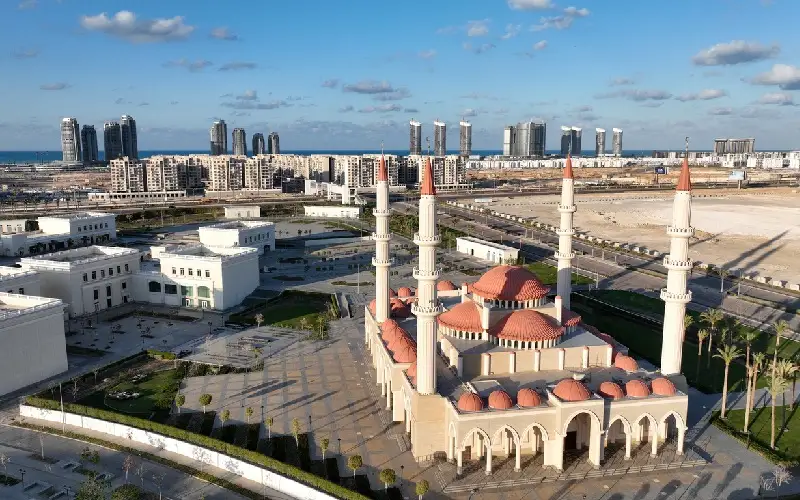
New El Alamein City is designed as a smart city with distinct zones for tourism, historical sites, and residential areas. Unlike traditional North Coast resorts, it features public beaches and incorporates advanced technological and urban planning concepts, including plans for universities, skyscrapers, and extensive hotel accommodations.
El Alamein exemplifies the integration of historical preservation and progressive development. While rapidly developing as a modern city, efforts are made to document battlefield locations and establish memorial trails. The city's transformation reflects Egypt's commitment to honoring its past while building for the future.
El Alamein demonstrates how historical significance and modern development can successfully coexist. The area's unique geographic position along the Mediterranean coast, combined with its historical importance, has shaped its evolution from a small coastal town to a significant urban center.
The transformation from 1942 battlefield to modern smart city represents Egypt's commitment to honoring its past while building for the future. War museums and cemeteries preserve the memory of those who fought, while New El Alamein City, opened in 2018, showcases Egypt's vision for advanced urban planning and sustainable coastal development.
Today's El Alamein serves multiple purposes: a historical site attracting scholars and tourists, a memorial landscape honoring international sacrifice, and a thriving modern city offering opportunities for residents and visitors. The integration of historical zones with contemporary urban spaces creates a unique Egyptian destination.
As New El Alamein continues developing with universities, cultural facilities, and residential communities, it maintains connections to its historical roots. This balance between preservation and progress makes El Alamein a compelling example of how cities can honor their past while embracing future possibilities along Egypt's beautiful Mediterranean coastline.
El Alamein is located approximately 106 kilometers west of Alexandria and 300 kilometers northwest of Cairo along Egypt's Mediterranean coast. Its strategic position between the Mediterranean Sea and the impassable Qattara Depression made it a natural defensive bottleneck during World War II.
The key commanders were German Field Marshal Erwin Rommel, known as the "Desert Fox," who led the Panzerarmee Afrika, and British General Bernard Montgomery, who took command of the Eighth Army in August 1942. Their tactical confrontations defined the battles of El Alamein.
Winston Churchill famously declared, "Before El Alamein, we never had a victory. After El Alamein, we never suffered a defeat," highlighting the battle's significance as a major turning point in World War II and the beginning of Allied victories in North Africa.
Two major battles occurred in 1942: the First Battle of El Alamein from July 1-27, 1942, which halted Rommel's advance, and the decisive Second Battle of El Alamein from October 23 to November 4, 1942, which resulted in Allied victory and Axis retreat.
Yes, the El Alamein War Museum and various war cemeteries and memorials are open to visitors. These sites offer insights into the battles and honor the soldiers from Commonwealth, German, Italian, and Australian forces who fought there.
The Qattara Depression is Africa's second-lowest point, featuring salt marshes, soft sand, and steep cliffs. Located south of El Alamein, it created an impassable barrier for mechanized forces, forcing any attacking army through the narrow coastal corridor and making El Alamein strategically crucial.
New El Alamein City spans approximately 48,917 feddans (about 205 square kilometers) along the Mediterranean coast. The development includes residential areas, commercial centers, hotels, and plans for three universities and fifteen skyscrapers.

The Library of Alexandria in Egypt was a legendary center of learning, housing hundreds of thousands of scrolls and attracting renowned scholars, making Alexandria the intellectual capital of the ancient world.

Explore Alexandria’s 4th-century Roman amphitheatre, a unique circular theatre with marble seating and historical significance spanning Roman, Byzantine, and Islamic eras.

Pompey’s Pillar is a 26.85-meter Roman column in Alexandria, dedicated to Emperor Diocletian, and stands as one of the largest monolithic columns ever built.

The Catacombs of Kom El Shoqafa are Alexandria's largest Roman necropolis, discovered in 1900. This 35-meter deep burial complex blends Egyptian, Greek, and Roman styles across three underground levels, dating from the 2nd-4th centuries CE.
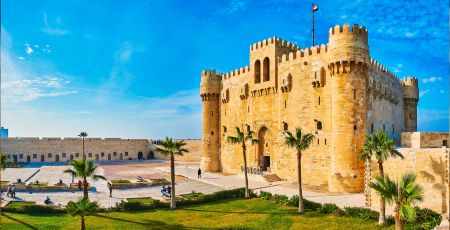
Located on the very Grounds of the ancient lighthouse in Alexandria , the Citadel & fort of Sultan Qaitbay is a landmark of the coastal city of Alexandria is filled with history and amazing details for you to DIscover.

El Alamein is a historic WWII battleground 100km west of Alexandria where decisive 1942 battles turned the war's tide. Today it features war memorials and museums alongside New El Alamein City, a modern smart city development opened in 2018.

Alexandria, founded by Alexander the Great in 331 BC, is Egypt's legendary Mediterranean seaport. Once home to the ancient Great Library and Pharos Lighthouse, this historic city of 5.3 million residents blends remarkable ancient wonders with vibrant modern coastal culture.