
 Home
Home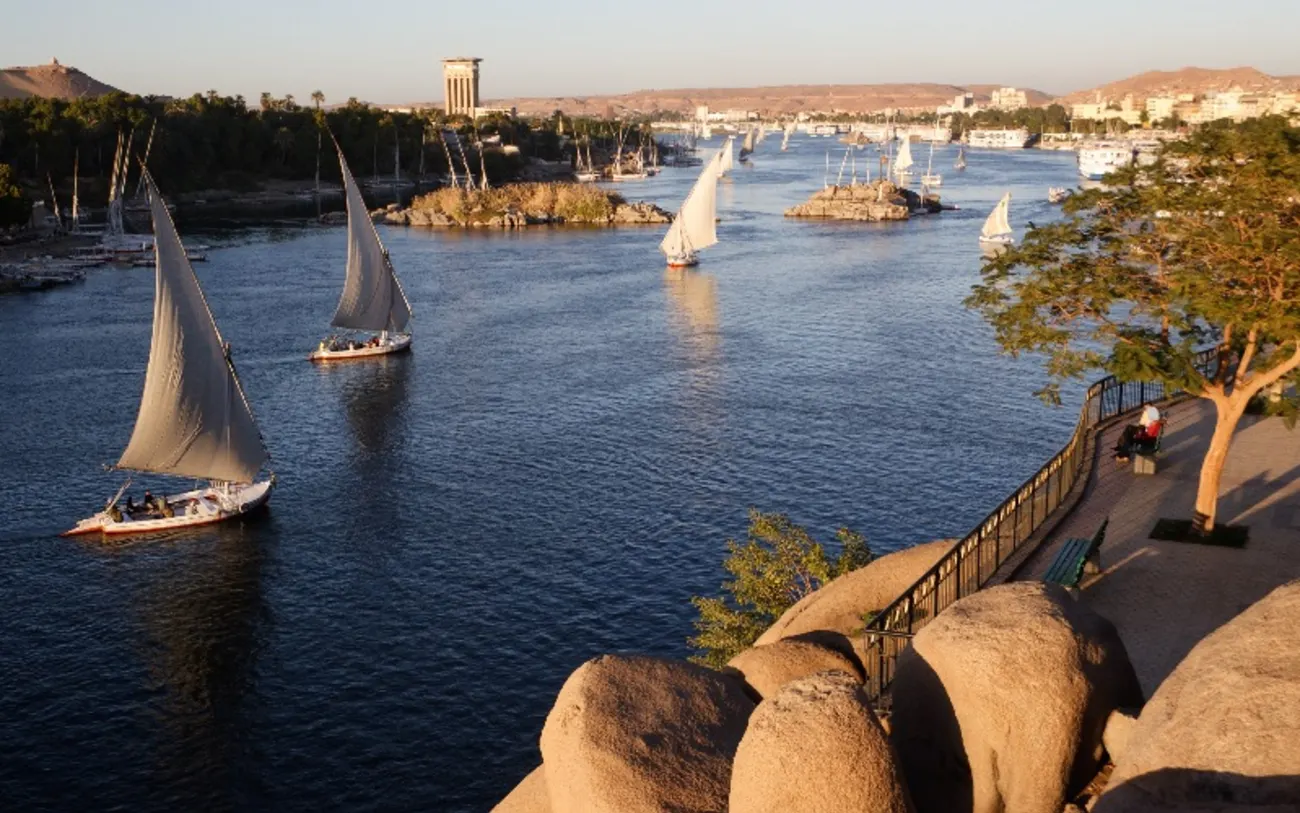
Aswan is one of the oldest continuously inhabited cities in the world, with documented history stretching back more than 2,600 years. Located at Egypt’s southern frontier on the Nile’s First Cataract, the city played a crucial role in shaping Egypt’s political, economic, and spiritual identity. In ancient times, it marked the boundary between Egypt and Nubia, functioning as both a defensive stronghold and a vital gateway for trade and exploration.
Beyond its strategic importance, Aswan became essential to Egypt’s architectural legacy. Its granite quarries supplied stone for obelisks, statues, temples, and pyramids across the country—materials still visible in Egypt’s most iconic monuments today. Remarkably, quarrying activity has continued in the region for millennia, creating a rare continuity between ancient and modern industry.
Aswan’s importance is further underscored by its exceptional concentration of heritage sites. Five major monuments within the city are part of the UNESCO World Heritage Site “Nubian Monuments from Abu Simbel to Philae,” reflecting Aswan’s unparalleled cultural and historical value. Today, Aswan remains both a living city and an open-air museum, where ancient traditions and modern life coexist along the Nile.
Aswan has been continuously inhabited for over 2,600 years and was considered the southern frontier of ancient Egypt. It served as a crucial military garrison, trade center, and gateway to African kingdoms, playing a vital role in Egypt's history and development.
The Land That Opened Egypt
Known in antiquity as Swenett, Aswan occupied a unique place in the Egyptian worldview. While many civilizations viewed their origins as lying northward, ancient Egyptians believed their land began in the south—where the Nile emerged from unknown territories beyond the First Cataract.
Why Aswan was seen as Egypt's beginning
Aswan’s position at the point where the Nile transformed from navigable waters into granite rapids made it a natural threshold between order and the unknown. This geographical reality shaped Egyptian cosmology, reinforcing the belief that Egypt was born where the life-giving river entered the civilized world.
The name “Swenett” is thought to be linked to an ancient goddess associated with childbirth, further strengthening the city’s symbolic role as Egypt’s birthplace. Standing at the boundary between known lands and mysterious southern regions, Aswan represented both protection and potential—an origin point rather than an endpoint.
Trade and tolls at the southern gate
Aswan served as Egypt’s southern commercial hub and customs station. Every ship traveling along the Nile passed through its jurisdiction, where taxes were collected and goods regulated. This role earned the city the name “Sono,” meaning “the market.”
Trade routes connected Aswan with Nubia and deeper African regions, bringing valuable commodities into Egypt, including:
- Gold and ivory
- Exotic animals and animal products
- Spices, incense, and precious stones
The Kingdom of Kush (modern Sudan) became one of Egypt’s most important trading partners, with Aswan acting as the critical link between cultures. These exchanges enriched Egypt economically and culturally for centuries.
Military and strategic importance
Aswan was Egypt’s southern shield. The granite formations of the First Cataract created a natural defensive barrier, making the city an ideal military base. Pharaohs stationed garrisons here to secure the border and launch expeditions into Nubia and beyond.
This strategic importance persisted through later periods. Romans, Islamic rulers, Ottomans, and even British administrators all recognized Aswan’s military value. Its ability to function simultaneously as a trading hub and a fortified frontier shaped the city’s enduring identity.
Aswan was renowned for its granite quarries, which supplied high-quality stone for numerous ancient Egyptian monuments. These quarries, remarkably, are still operational today and were crucial in the construction of iconic structures throughout Egypt.
Stone, Sun, and Science
Aswan’s natural environment made it a center for engineering, astronomy, and scientific discovery.
Granite quarries and ancient construction
The granite quarries surrounding Aswan supplied stone for Egypt’s greatest monuments. Ancient workers used copper tools, stone hammers, and wooden wedges soaked in water to split massive blocks from bedrock.
The most striking testament to this craftsmanship is the Unfinished Obelisk, which remains attached to the quarry floor. Had it been completed, it would have stood over 41 meters tall and weighed nearly 1,100 tons. Its abandonment due to cracks provides invaluable insight into ancient engineering techniques.
Eratosthenes and the Earth's circumference
In the 3rd century BCE, the Greek scholar Eratosthenes used Aswan—then known as Syene—to calculate the Earth’s circumference. Observing that the sun cast no shadow at noon during the summer solstice in Aswan, while shadows appeared in Alexandria, he applied geometry to determine the planet’s size with remarkable accuracy—within 1% of modern measurements.
This achievement remains one of the greatest scientific breakthroughs of antiquity.
Solar alignment and the Tropic of Cancer
Aswan’s proximity to the Tropic of Cancer made it ideal for solar observation. Nearby Abu Simbel exemplifies this mastery: twice a year, sunlight penetrates the temple to illuminate statues of Ramses II and selected gods.
These alignments were not merely symbolic; they helped regulate agricultural calendars and reinforced the cosmic order central to Egyptian belief.
Aswan's unique geographical position near the Tropic of Cancer facilitated important scientific discoveries. Most notably, the Greek scholar Eratosthenes used observations in Aswan (then called Syene) to calculate the Earth's circumference with remarkable accuracy in 240 BCE.
Customize Your Dream Vacation!
Get in touch with our local experts for an unforgettable journey.
Plan Your TripAswan's Shifting Political Landscape
Across thousands of years, Aswan absorbed successive waves of rule while maintaining its strategic importance.
From pharaohs to Roman legions
Under Roman control after 30 BCE, Aswan—renamed Syene—became Egypt’s southernmost Roman garrison. Fortifications, administrative buildings, and bathhouses reflected Roman priorities of defense and governance.
Christianity and the Coptic Diocese of Syene
By the 4th century CE, Aswan emerged as a major Christian center. Pagan temples were replaced or repurposed, and monasteries spread across the region. Aswan became the seat of a powerful Coptic diocese influencing Upper Egypt and Nubia.
Islamic rule and Fatimid cemeteries
Following the Islamic conquest in the 7th century, Aswan entered a new era of prosperity, particularly under Fatimid rule. Extensive cemeteries from this period survive today, offering rare insight into medieval Islamic society and funerary traditions.
Aswan transitioned from being a center of ancient Egyptian religion to becoming an important Coptic Christian diocese in the 4th century. Later, following the Muslim conquest in 641 CE, it came under Islamic rule and flourished, particularly during the Fatimid period.
Legacy in Monuments and Memory
Aswan’s layered history is preserved in its monuments, which span ancient, medieval, and modern eras.
Qubbet el-Hawa and noble tombs
Overlooking the Nile, Qubbet el-Hawa contains nearly 100 rock-cut tombs belonging to nobles and officials of the Old and Middle Kingdoms. Their inscriptions document expeditions, trade missions, and governance in Egypt’s southern territories.
The Monastery of St. Simeon
This massive 6th-century Coptic monastery on Aswan’s west bank reflects early Christian monastic life. Its churches, cells, and defensive walls remained active until the 12th century.
The Mausoleum of Aga Khan
Built in 1960, the Aga Khan Mausoleum stands above the Nile as a modern landmark. It honors Aga Khan III and symbolizes Aswan’s continued spiritual and cultural relevance.
UNESCO recognition and global heritage
Five major sites in Aswan are part of the UNESCO World Heritage Site “Nubian Monuments from Abu Simbel to Philae,” confirming the city’s outstanding universal value and global significance.
Aswan is far more than a geographical boundary—it is a living chronicle of human civilization. From ancient science and stone quarrying to religious transformation and cultural exchange, the city embodies Egypt’s resilience and adaptability. Its monuments, traditions, and landscapes reveal how humanity shaped—and was shaped by—the Nile.
Today, Aswan remains a gateway: not only to Egypt’s southern lands, but to understanding the deep roots of civilization itself.
Aswan boasts several significant historical sites, including the Qubbet el-Hawa tombs of ancient nobles, the 6th-century Monastery of St. Simeon, and the modern Mausoleum of Aga Khan. The city also encompasses five monuments within the UNESCO World Heritage Site "Nubian Monuments from Abu Simbel to Philae."
Aswan’s location at the First Cataract of the Nile made it a natural defensive barrier and Egypt’s southern gateway. This position allowed Egyptian rulers to control trade routes, monitor movement from Nubia, and launch military expeditions into southern territories.
Aswan functioned as Egypt’s primary trade hub with Nubia and sub-Saharan Africa. Goods such as gold, ivory, incense, exotic animals, and precious stones passed through the city, making it an economic lifeline for the pharaonic state.
The Unfinished Obelisk, located in Aswan’s granite quarries, provides rare insight into ancient Egyptian stone-cutting techniques. Had it been completed, it would have been the largest obelisk ever erected, highlighting the ambition and engineering skills of ancient builders.
Aswan’s granite was used to build some of Egypt’s most iconic monuments, including obelisks, temples, and statues. This durable stone contributed to the longevity and grandeur of Egyptian architecture across the country.
Today, Aswan remains a vibrant cultural center blending ancient heritage with Nubian traditions and modern life. Its archaeological sites, living communities, and UNESCO-recognized monuments make it one of Egypt’s most culturally rich destinations.
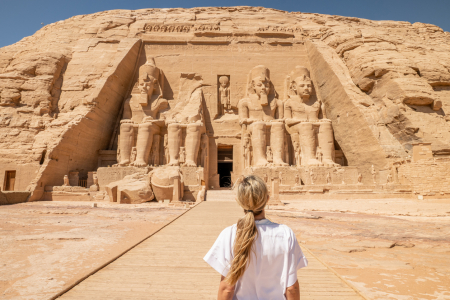
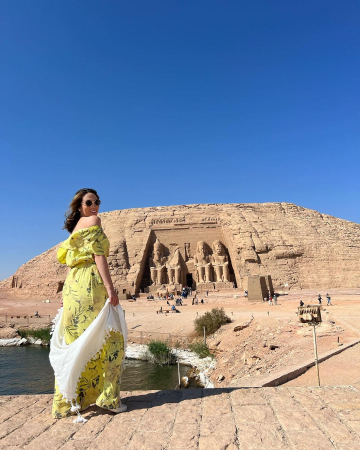

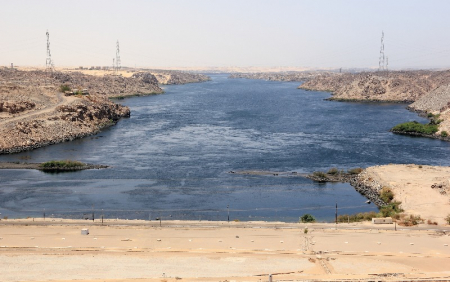
Lake Nasser, Egypt’s vast artificial reservoir, reshaped the Nile, boosted agriculture and fishing, and preserved historic sites like Abu Simbel.
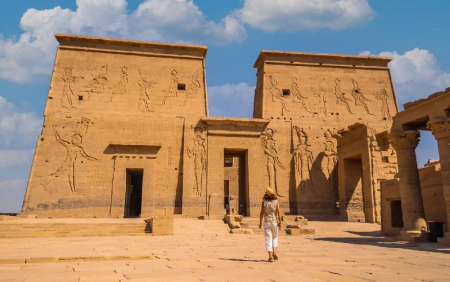
Philae Temple, dedicated to Isis, was relocated to Agilkia Island to preserve its ancient Ptolemaic structures and remains a UNESCO World Heritage site.
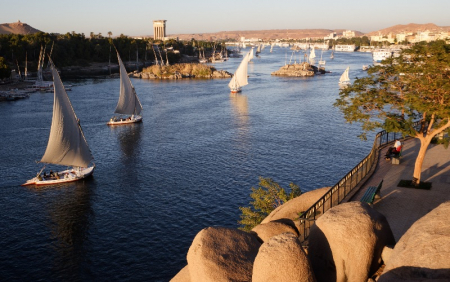
Aswan is one of the world’s oldest cities, marking ancient Egypt’s southern frontier. Rich in history, science, trade, and UNESCO-listed monuments, it remains a living link between past and present.
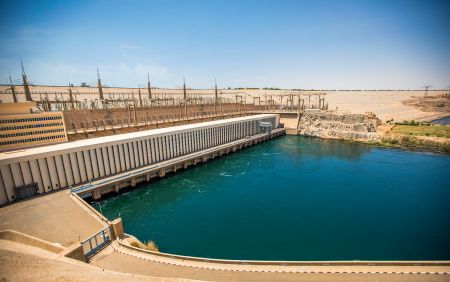
Aswan High Dam, completed 1970, transformed Egypt through Lake Nasser reservoir, hydroelectric power & year-round irrigation while displacing 100,000+ Nubians.
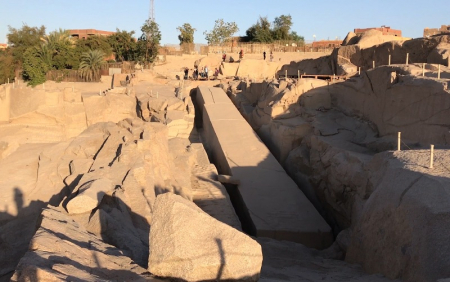
The Unfinished Obelisk in Aswan reveals ancient Egyptian quarrying techniques and ambitions, offering a rare glimpse into their engineering mastery.
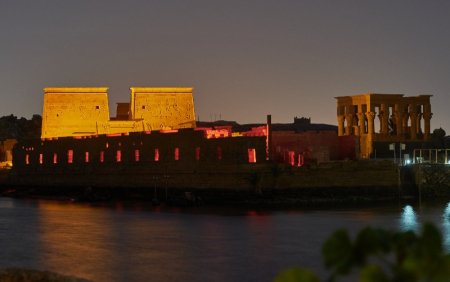
Discover the magic of Philae Temple after dark with a Sound & Light Show that brings the myths of Isis to life amid the beautifully preserved island sanctuary.
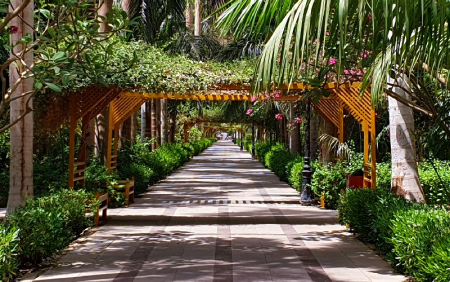
Explore El Nabatat Island, Aswan’s historic botanical garden featuring exotic plants, towering palms, and a sanctuary for birds along the Nile.

Nubian Museum Aswan features 3,000+ artifacts showcasing ancient Nubian heritage. Discover jewelry, statues & cultural displays in this 1997-opened institution.

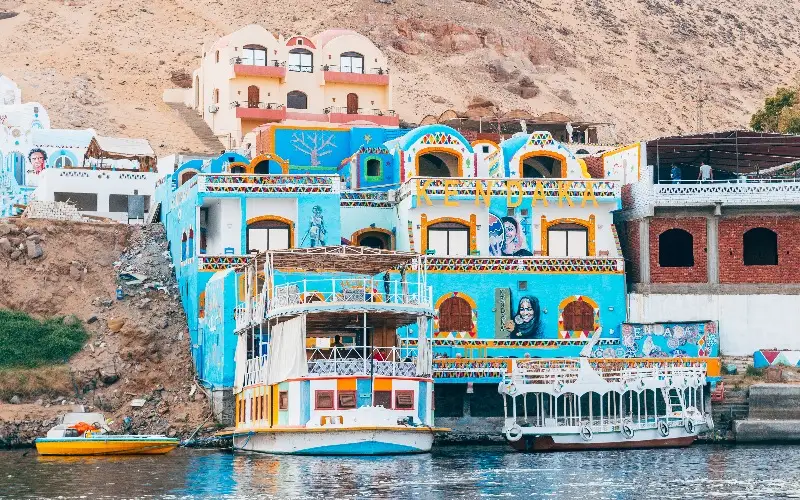
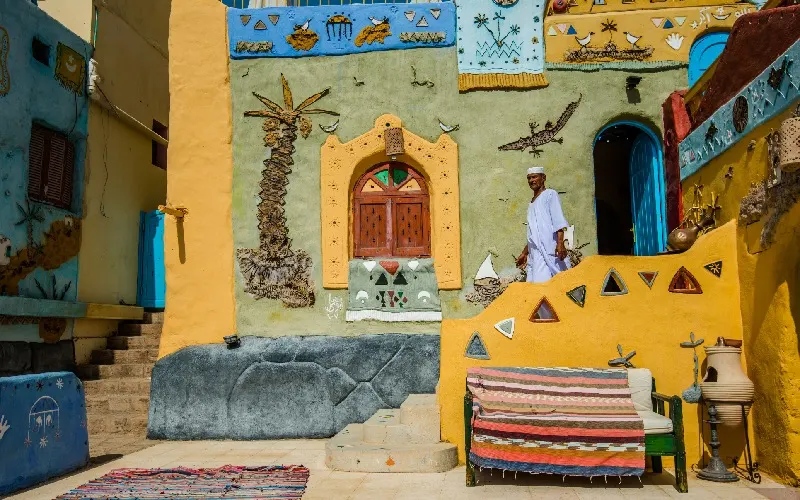
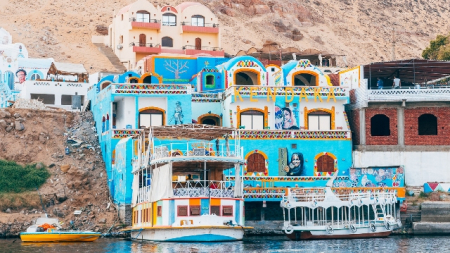
Nubian Village near Aswan offers authentic culture with vibrant homes, traditional hospitality & henna art. Experience 8,000 years of living Nile heritage.
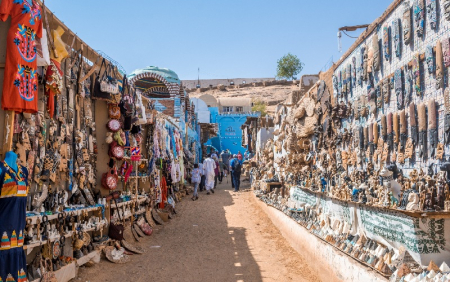
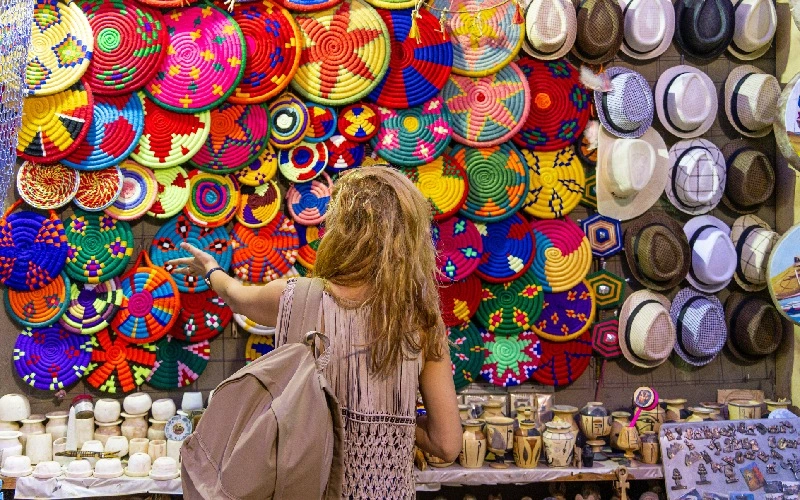
Aswan Old Souk offers a colorful, aromatic shopping experience along the Nile, featuring local crafts, spices, textiles, and souvenirs in Egypt’s southernmost city.
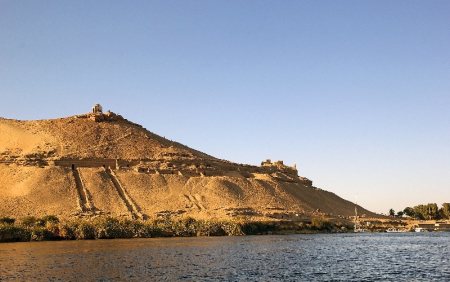
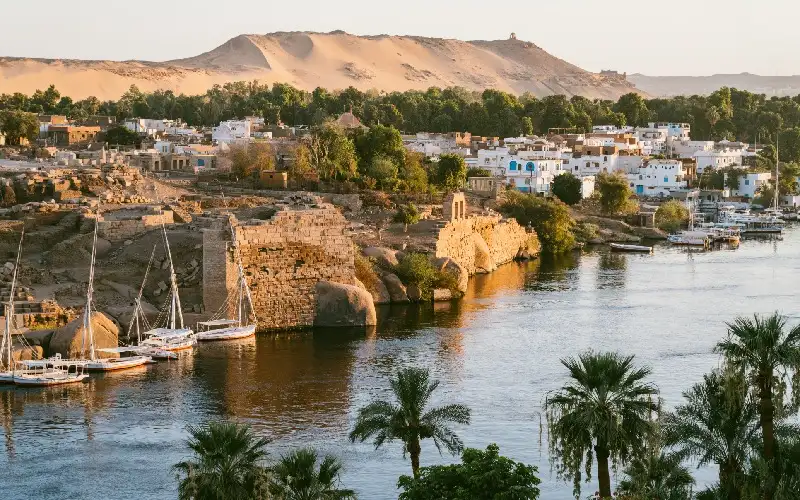
Elephantine Island in Aswan is a 5,000-year-old UNESCO site, once Egypt’s southern gateway, famed for its temples, Nilometers, and living Nubian heritage.
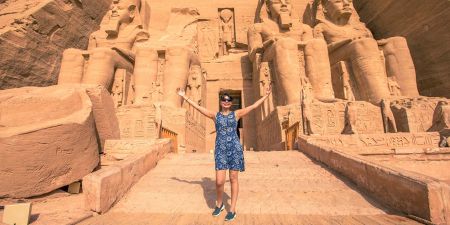
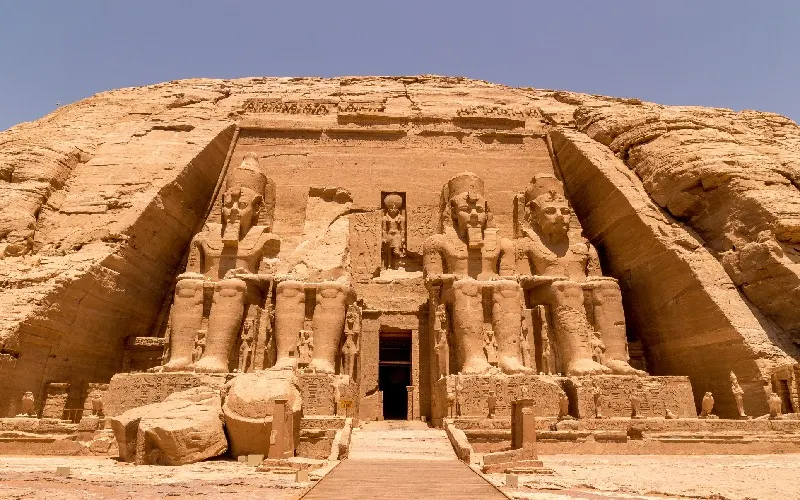
Discover Abu Simbel, Ramses II’s rock-cut temples famed for colossal statues, solar alignment, and an epic UNESCO rescue that saved them from Lake Nasser.