
 Home
Home
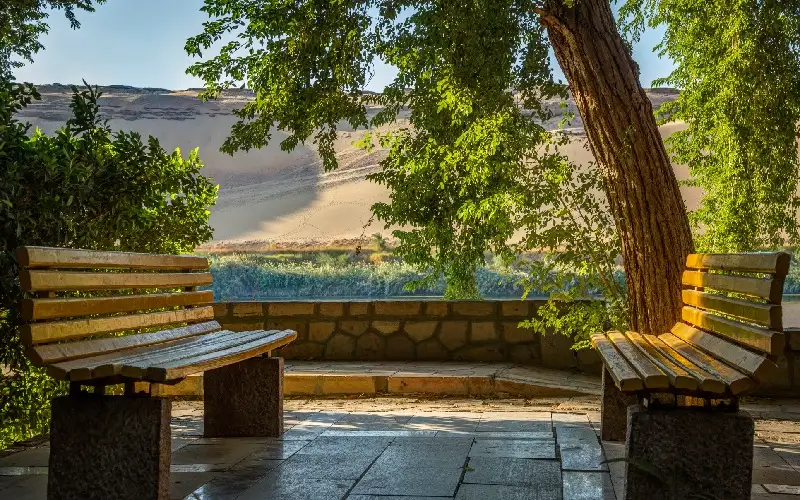
The origin and transformation of Kitchener's Island
This Nile-bound sanctuary carries within its botanical borders a captivating tale that stretches back to the closing decades of the 19th century. The island's evolution from unremarkable terrain to Egypt's premier botanical collection unfolds as a particularly intriguing chapter within the nation's colonial narrative.
How the island was gifted to Lord Kitchener
The 1890s marked a pivotal moment when this oval stretch of land, originally called El Nabatat Island (Plant Island), found its way into the possession of Lord Horatio Kitchener. His distinguished military achievements during the Sudan Campaign had earned him considerable recognition, culminating in his decisive leadership at the Battle of Omdurman in 1898, which secured British control across the region. The island itself—then a barren, unremarkable piece of Nile real estate—arrived as recognition for his exceptional military service.
Kitchener's administrative talents had already proven themselves through his various Egyptian postings. Yet few observers could have predicted that this disciplined military commander would soon orchestrate the creation of a botanical masterpiece on such humble beginnings.
Kitchener's vision and botanical passion
Beneath the exterior of this formidable military strategist lay an unexpected enthusiasm for botanical pursuits and horticultural excellence. The moment the island became his, Kitchener set about designing its complete botanical transformation. His fascination with exotic flora had actually taken root during earlier assignments, particularly his surveying work across Palestine and Cyprus, where diverse plant communities first captured his imagination.
Kitchener's dream centered on establishing a peaceful botanical sanctuary that would display remarkable plant specimens gathered from distant continents. This ambitious undertaking required importing countless rare varieties from multiple regions, with particular emphasis on treasures from India, Africa, and the Far East. His systematic approach to acquiring and arranging these botanical specimens mirrored the same precision that had defined his military campaigns.
Transition from private garden to public space
Kitchener's eventual departure from Egypt triggered significant changes for his island paradise. While the property initially remained his private botanical sanctuary, ownership ultimately passed to the Egyptian Ministry of Irrigation in 1928. Government administrators quickly recognized the site's dual potential as both a scientific research facility and a destination for public education.
The Ministry built upon Kitchener's foundational work, introducing additional plant varieties from all five continents while implementing a more organized approach to the garden's botanical arrangement. This period witnessed the creation of the distinctive 27-square layout separated by walking paths—an architectural feature that continues to define the garden's character today.
The early 20th century witnessed the gradual metamorphosis from private collection to essential botanical research station and public garden, officially designated as the Aswan Botanical Garden while retaining its popular identity as Kitchener's Island.
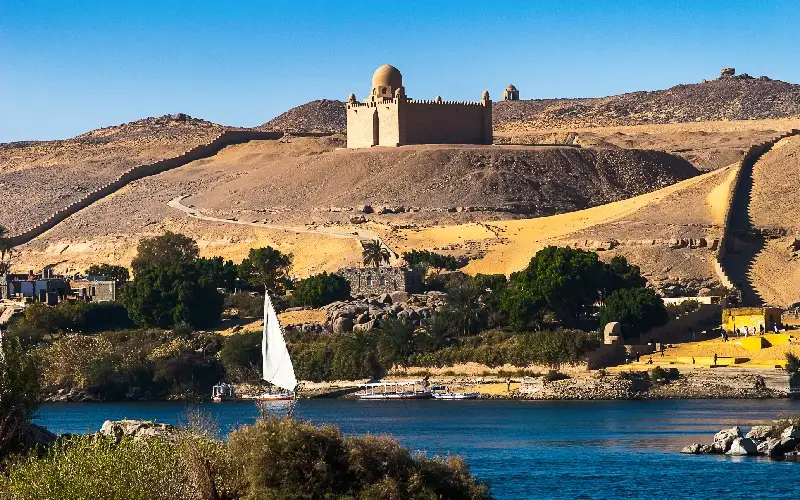
The Aswan Botanical Garden, originally known as Kitchener's Island, was gifted to Lord Horatio Kitchener in the 1890s. He transformed it into a collection of exotic plants from around the world. In 1928, it became a public space under the Ministry of Irrigation, further developing its botanical diversity.
Design and layout of the Aswan Botanical Garden
The architectural genius behind this botanical sanctuary reveals itself through carefully planned dimensions and thoughtful spatial organization. Stretching 750 meters (2,460 ft) along its longest axis and reaching a maximum width of 115 meters, the oval island encompasses either 6.8 hectares or 18 feddans, depending on different reliable sources. These measurements create the foundation for what becomes one of Egypt's most systematically organized plant collections.
Division into 27 squares
Picture a giant chessboard floating on the Nile—this captures the essence of the garden's most striking organizational feature. Twenty-seven distinct squares form a precise grid across the island's surface, creating what resembles an enormous botanical game board when observed from elevated positions. Each square functions as a specialized botanical chamber, housing particular plant families and species according to their specific requirements and characteristics. This geometric precision mirrors the scientific methodology that Kitchener brought from his military background, where order and systematic planning determined success.
Pathways and garden structure
Walking through this botanical maze becomes an exercise in architectural appreciation. The pathway system creates clear boundaries between each of the 27 squares, with vertical and horizontal routes intersecting to form the underlying grid structure. Aswan granite paves many of these walkways, providing elegant transitions between different botanical territories. The designers ensured these routes remain wide and level, allowing visitors to move effortlessly from one plant community to another. Strategic side paths branch toward elevated viewpoints where the Nile River panorama unfolds beyond the garden's borders.
Integration of natural and imported flora
The garden's genius lies in its seamless marriage between indigenous and foreign botanical elements. Specialized zones dedicate themselves to particular plant categories—palm groves, cacti clusters, succulent gardens, and flowering meadows each claim their designated territories.
Seven distinct sectors organize the entire collection, with each area engineered to provide ideal growing conditions for its resident plant communities. These sectors accommodate species from India, Africa, the Far East, and numerous tropical regions worldwide. Some vegetation existed naturally on the island before Kitchener's arrival, while imported specimens were strategically positioned to create botanical harmony. This thoughtful arrangement allows visitors to journey through multiple ecosystems without ever leaving the island's shores.
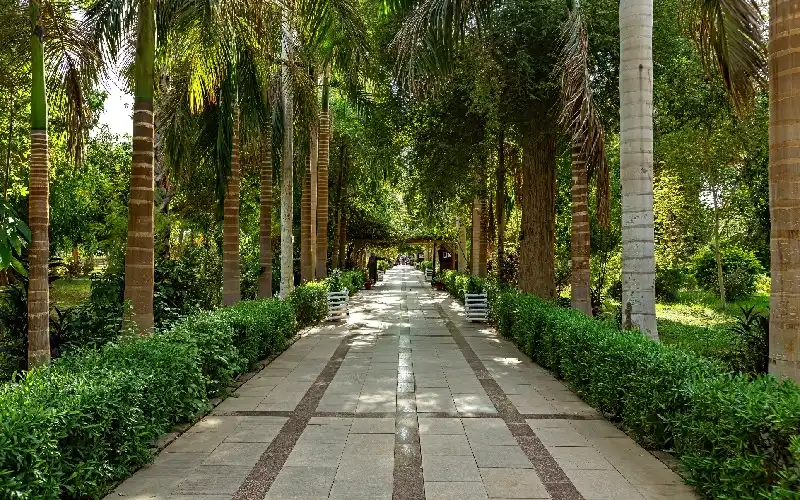
The garden is uniquely designed with 27 squares arranged in a grid pattern, connected by pathways. This layout creates dedicated spaces for different plant families and species, blending both indigenous and imported flora across seven distinct sectors.
Customize Your Dream Vacation!
Get in touch with our local experts for an unforgettable journey.
Plan Your TripBotanical diversity and rare species
The island's scientific credentials become apparent through its remarkable botanical census: 109 distinct plant families encompassing approximately 449 genera and 767 species. Each specimen bears careful classification labels, transforming the entire garden into a living botanical library where scientific precision meets natural wonder.
Palm tree varieties: Royal, Sabal, and Phonic
More than 25 palm varieties populate the island's landscape. The Royal Palm commands particular reverence, alongside the stately Sabal Palm and the resilient Phonic (Phoenix) Palm. These towering sentinels establish dramatic vertical elements throughout the garden's pathways, their fronds casting intricate shadow patterns while providing essential structural framework for the botanical composition.
Plants from India, Africa, and the Far East
The garden's international character emerges through its exotic specimens representing distant biogeographical regions. Visitors encounter the massive Indian banyan with its aerial roots, the iconic African baobab with its distinctive bottle-shaped trunk, and the economically significant Brazilian rubber tree. Perhaps most intriguing stands the jackfruit tree, capable of producing fruits reaching 25 kilograms in their natural habitat.
The collection extends to aromatic treasures including sandalwood, tropical fruits like papaya and grapefruit, plus medicinal spices such as cloves, cardamom, and ginger.
Bird species and ecological balance
This botanical sanctuary doubles as an avian refuge, supporting resident populations of doves, bulbuls, hoopoes, sparrows, peacocks, and crows. The garden achieves peak vitality during spring and autumn migrations, when it becomes a critical stopover for species traversing the Nile Valley flyway. Wetland birds including herons, egrets, and various waterfowl patrol the surrounding riverbanks, establishing the garden as an exceptional destination for ornithological observation.
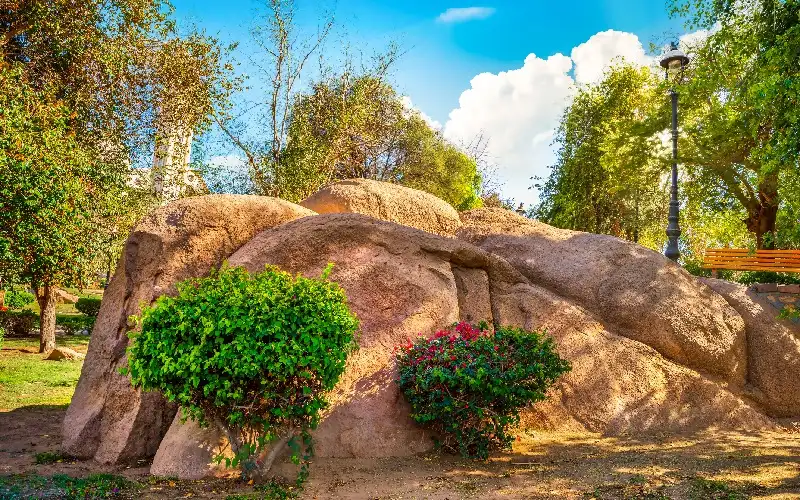
Visitors can explore a diverse collection of over 760 plant species, including 25 varieties of palm trees. Notable specimens include Royal, Sabal, and Phonic palms, as well as exotic plants like the Indian banyan tree, African baobab, and Brazilian rubber tree.
Cultural and scientific significance
The botanical treasures of this Nile island extend far beyond their visual appeal, establishing the garden as a cornerstone of Egyptian scientific research and cultural heritage. This remarkable facility stands as both an active research laboratory and a testament to Egypt's evolving relationship with botanical science.
Use as a botanical research station
Scientific research flourishes within these carefully maintained grounds, where botanists examine how diverse plant species adapt to Egypt's challenging climate conditions. The facility operates as a Botanical Research Institute, housing an extensive herbarium that catalogues 1,779 botanical specimens representing 117 plant families, 442 genera, and 656 distinct species. Researchers utilize this controlled island environment to conduct crucial studies on plant adaptation to arid conditions, generating valuable insights for Egypt's agricultural advancement. The research infrastructure includes a specialized library containing approximately 800 volumes dedicated to agricultural sciences.
Role in Egypt's botanical heritage
This living laboratory serves Upper Egypt as an essential center for botanical education, conservation research, and environmental awareness initiatives. Each plant specimen displays detailed scientific and common name labels, transforming every garden visit into an educational opportunity for students, researchers, and curious visitors alike. The garden's conservation mission extends beyond research, actively promoting biodiversity awareness and emphasizing the critical importance of preserving green corridors along the Nile River system.
Symbol of colonial and post-colonial transitions
The island's political journey reveals Egypt's broader historical narrative through botanical lens. From its origins as the Nubian settlement of Jet Narty to its role as British military headquarters under Lord Kitchener, then its designation as "King's Island" during King Fouad I's reign, and finally its current status as the Botanical Island following the 1952 revolution, this site embodies Egypt's complete political evolution. The transformation from colonial botanical collection to national scientific institution represents Egypt's successful reclamation of both natural resources and intellectual heritage.
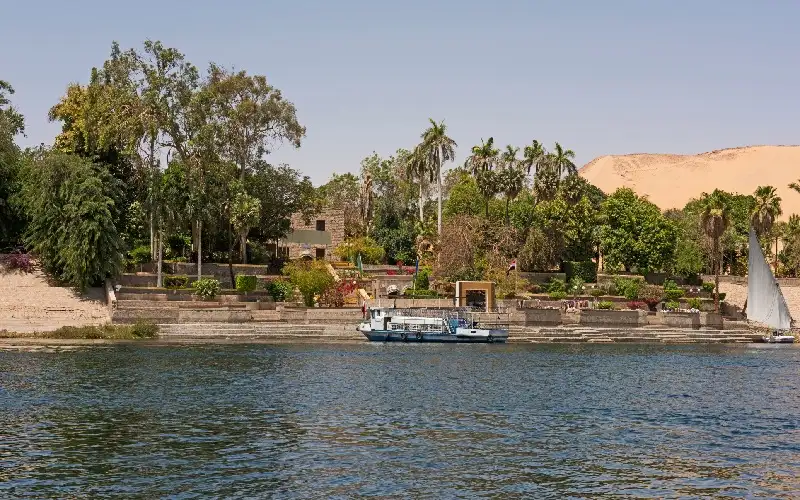
Yes, the garden serves as an ecological sanctuary for various bird species. It's particularly vibrant during spring and autumn migration seasons, attracting both resident birds like doves and sparrows, and migratory species traveling along the Nile Valley flyway.
El Nabatat Island’s botanical garden reflects over a century of Egyptian heritage, where Kitchener’s vision transformed barren land into a thriving sanctuary. Its careful design, with 27 squares and granite pathways, supports a remarkable collection of 767 plant species from around the world, making the garden both visually stunning and scientifically valuable.
The island also serves as a vital wildlife refuge, hosting migratory and resident birds along the Nile, creating a unique ecological hub in an otherwise arid environment. This dual role as a conservation center and research facility highlights its ongoing importance for biodiversity and education.
From its origins as a colonial gift to its modern role as a scientific institution, the garden mirrors Egypt’s journey toward cultural and scientific advancement. Today, it stands as a living testament to human curiosity, dedication, and the enduring beauty that thoughtful stewardship can create.
The garden functions as a crucial botanical research station, maintaining an impressive herbarium with over 1,700 specimens. It's used to study plant adaptation to arid conditions, supporting agricultural development in Egypt and serving as an educational resource for students and researchers.
Yes, guided tours are available, offering insights into the garden’s history, plant species, and ecological importance. Knowledgeable guides help visitors understand both the scientific and cultural significance of the garden.
El Nabatat Island is accessible by boat from Aswan’s eastern bank. Regular ferry services and private boat tours provide convenient transportation for tourists visiting the botanical garden.
The ideal time to visit is during the cooler months from October to March. Early mornings and late afternoons provide comfortable temperatures and optimal lighting for photography.
Yes, the garden offers shaded pathways, seating areas, and informational signage throughout. Some guided tours also provide educational materials and maps to enhance the visitor experience.
Photography is permitted throughout the garden, allowing visitors to capture exotic plants, towering palms, and scenic Nile views. It’s a popular destination for nature photography enthusiasts.
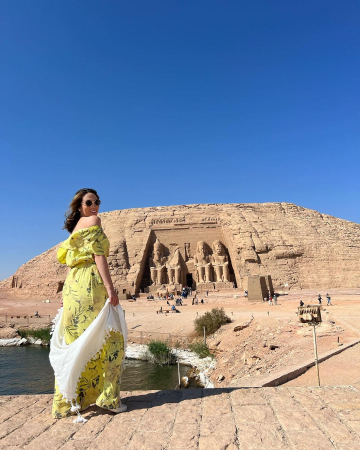
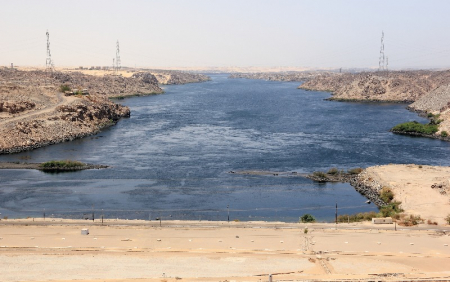
Lake Nasser, Egypt’s vast artificial reservoir, reshaped the Nile, boosted agriculture and fishing, and preserved historic sites like Abu Simbel.
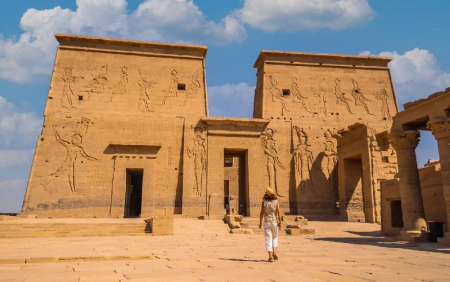
Philae Temple, dedicated to Isis, was relocated to Agilkia Island to preserve its ancient Ptolemaic structures and remains a UNESCO World Heritage site.
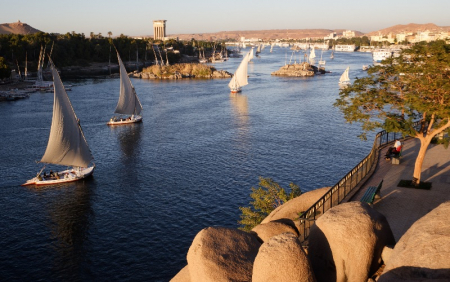
Aswan is one of the world’s oldest cities, marking ancient Egypt’s southern frontier. Rich in history, science, trade, and UNESCO-listed monuments, it remains a living link between past and present.

Aswan High Dam, completed 1970, transformed Egypt through Lake Nasser reservoir, hydroelectric power & year-round irrigation while displacing 100,000+ Nubians.
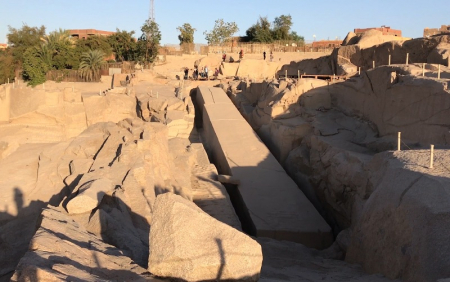
The Unfinished Obelisk in Aswan reveals ancient Egyptian quarrying techniques and ambitions, offering a rare glimpse into their engineering mastery.
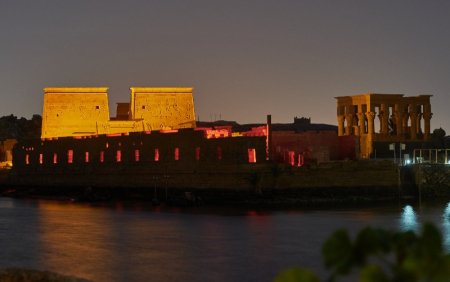
Discover the magic of Philae Temple after dark with a Sound & Light Show that brings the myths of Isis to life amid the beautifully preserved island sanctuary.
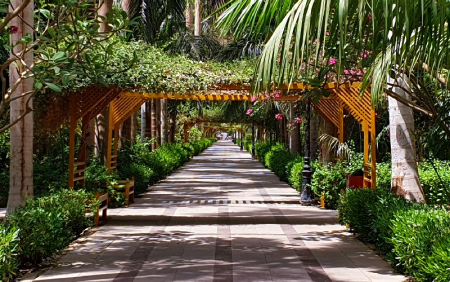
Explore El Nabatat Island, Aswan’s historic botanical garden featuring exotic plants, towering palms, and a sanctuary for birds along the Nile.

Nubian Museum Aswan features 3,000+ artifacts showcasing ancient Nubian heritage. Discover jewelry, statues & cultural displays in this 1997-opened institution.

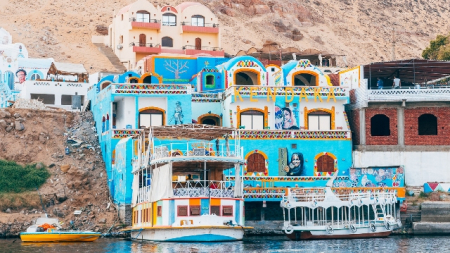
Nubian Village near Aswan offers authentic culture with vibrant homes, traditional hospitality & henna art. Experience 8,000 years of living Nile heritage.
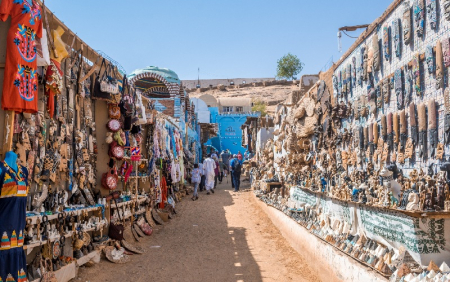
Aswan Old Souk offers a colorful, aromatic shopping experience along the Nile, featuring local crafts, spices, textiles, and souvenirs in Egypt’s southernmost city.
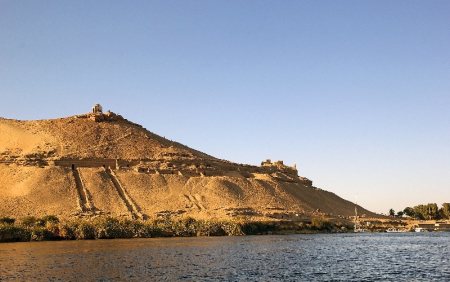
Elephantine Island in Aswan is a 5,000-year-old UNESCO site, once Egypt’s southern gateway, famed for its temples, Nilometers, and living Nubian heritage.
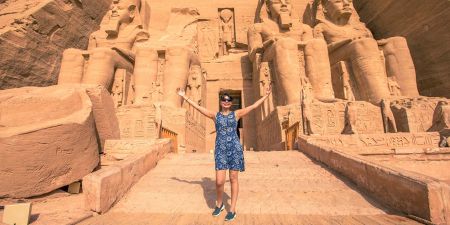
Discover Abu Simbel, Ramses II’s rock-cut temples famed for colossal statues, solar alignment, and an epic UNESCO rescue that saved them from Lake Nasser.