
 Home
Home
The Origins of Bab al-Futuh
Built during the Fatimid era in 1087
Commissioned by Badr al-Jamali under Caliph al-Mustansir
Originally named Bab al-Iqbal
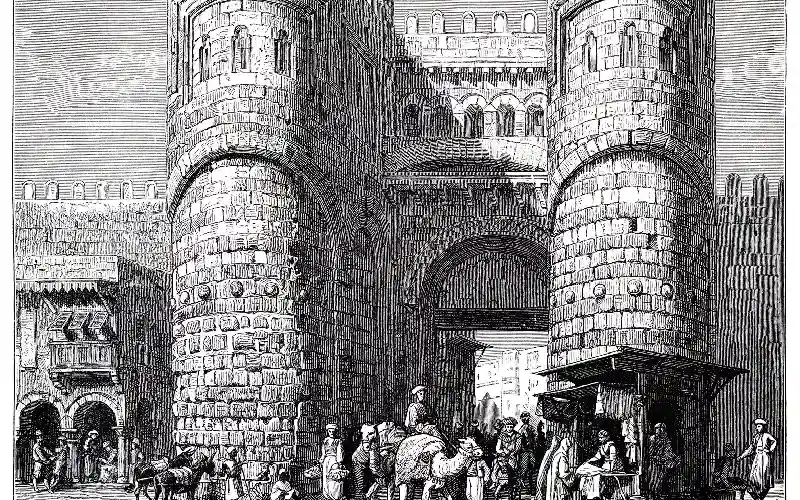
Bab al-Futuh is one of the three remaining gates in the ancient city wall of old Cairo, Egypt. It stands at the northern boundary of the city, measuring 22 meters tall and 23 meters wide.
Bab al-Futuh was built in 1087 AD during the Fatimid era. It was commissioned by Badr al-Jamali, who served as vizier to the Fatimid Caliph al-Mustansir bi Allah.
Architectural Features and Innovations
Bab al-Futuh's architectural design represents a significant milestone in military construction techniques of the Islamic world. The gate's dimensions are striking - standing 22 meters (72 ft) tall and 23 meters (75 ft) wide, with the lower two-thirds built in solid stone and the upper third constructed from rubble stone encased in finely dressed stone.
Round towers vs. square towers in other gates
Perhaps the most distinctive feature of Bab al-Futuh is its semi-circular flanking towers, which contrast markedly with the square towers of nearby Bab al-Nasr. This rounded design offered superior defensive capabilities, as circular towers proved more resistant to siege engines and undermining attempts. Each tower sits on a chamfered rectangular plinth, with the massive structures reaching the same height as the northern city walls.
Use of pendentives and shallow domes
Inside the gate, the vestibule is covered by a shallow semi-spherical dome. The transition from the rectangular space below to the dome is accomplished through spherical-triangular pendentives. This architectural element represents the first appearance of this type of dome in Islamic Egypt, showcasing a technique more commonly associated with Byzantine architecture.
Stone carvings and decorative brackets
The gate's decoration surpasses that of Bab al-Nasr in both extent and quality. The entrance arch features intricate latticed diamond patterns containing sculpted flowers and geometric motifs. A stone-carved molding with parallel lines and loops runs along the upper façade, marking the earliest example of a decorative feature that later became common in Mamluk architecture.
Arrow slits and defensive chambers
The upper section of each tower contains defensive rooms with arrow slit windows, strategically positioned in recessed rectangular zones. The towers are connected by a platform featuring shafts through which defenders could pour boiling oil or water on attackers. This sophisticated defensive system demonstrates the military ingenuity of the period.
Symbolism of ram's head carvings
Above the entrance arch are eight decorated brackets supporting a stone shelf between the towers. Two of these brackets are distinctively carved in the shape of ram's heads. These carvings symbolize Mars in the zodiac, known in Arabic as al-Qahir, which is associated with the founding and naming of Cairo (al-Qahira). This symbolism reinforced the gate's role as both a defensive structure and a representation of the city's power.
Bab al-Futuh is known for its round towers, which differ from the square towers of other gates. It also features pendentives supporting a shallow dome, intricate stone carvings, and defensive elements like arrow slits and chambers.
Bab al-Futuh in the Context of Cairo’s Fortifications
The strategic significance of Bab al-Futuh becomes apparent through examining its relationship with Cairo's comprehensive defense system.
Connection to Bab al-Nasr and Bab Zuweila
The three monumental gates—Bab al-Futuh, Bab al-Nasr, and Bab Zuweila—formed the cornerstone of Cairo's fortifications, constructed simultaneously between 1087-1092 by Badr al-Jamali. While Bab al-Futuh and Bab al-Nasr guarded the northern boundary, Bab Zuweila protected the southern entrance. Together, these gates created an impenetrable defensive perimeter around Fatimid Cairo.
Role in the northern wall of Fatimid Cairo
Positioned at the northwestern corner of the city wall, Bab al-Futuh served as a critical checkpoint controlling access from the north. The gate formed part of an extensive wall system stretching approximately 1,200 meters in length. Its strategic placement allowed defenders to monitor movement along the northern approaches to the city while providing a protected passage for troops.
Integration with al-Muizz Street
Al-Muizz Street, Cairo's main thoroughfare, connected directly with Bab al-Futuh. This integration made the gate not merely a military structure but a vital urban node, linking the defensive perimeter with the city's commercial heart.
Comparison with other Fatimid gates
Despite sharing construction periods, Bab al-Futuh's round towers distinguished it from other contemporary gates. While Bab al-Nasr featured square towers, Bab al-Futuh's rounded design reflected advanced defensive engineering, offering superior protection against siege machines.
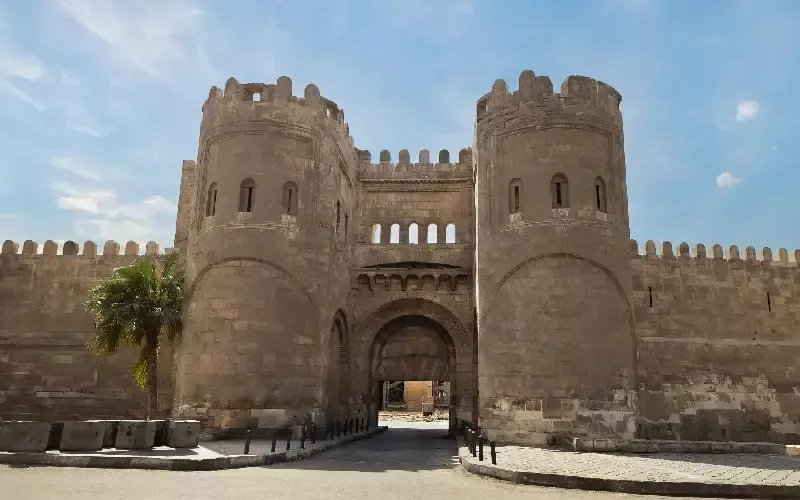
Bab al-Futuh was a crucial part of Cairo's northern wall, connecting to other important gates like Bab al-Nasr and Bab Zuweila. It was integrated with al-Muizz Street, Cairo's main thoroughfare, making it both a defensive structure and an important urban landmark.
Customize Your Dream Vacation!
Get in touch with our local experts for an unforgettable journey.
Plan Your TripCultural and Historical Legacy
Throughout centuries of Egyptian history, Bab al-Futuh has remained an enduring monument documented by scholars and witnessed by successive powers. The gate's historical significance extends far beyond its military function.
Mention in historical texts like al-Maqrizi
The renowned historian al-Maqrizi (d. 845/1442) documented Bab al-Futuh extensively in his comprehensive work Al-mawā'iz wa'l-i'tibār bi-dhikr al-khiţaţ wa'l-āthā. This text, commonly known as al-Khitat, has become an invaluable resource for understanding Cairo's medieval topography. Al-Maqrizi personally visited monuments he described, recording inscriptions and documents that connected buildings with their histories. His work on Bab al-Futuh consequently serves as a critical primary source for modern scholars studying Fatimid architecture.
Use during Napoleon's campaign in Egypt
When French forces invaded Egypt (1798-1801), they repurposed several historic structures for military operations. The French expedition under Napoleon utilized both Bab al-Futuh and the adjacent al-Hakim Mosque as fortified positions. Specifically, French commanders employed the mosque's minarets as observation towers during their occupation. Evidence of their presence remains visible today, as the towers of Bab al-Futuh bear inscriptions with the names of Napoleon Bonaparte's expedition commanders.
Influence on later Mamluk architecture
Certain architectural elements pioneered at Bab al-Futuh subsequently appeared in later Mamluk buildings. For instance, the stone-carved molding featuring parallel lines and loops represented an innovative decorative technique first seen here before becoming commonplace in Mamluk structures. Following the 1303 earthquake, Commander Baybars al-Gashanqir rebuilt damaged sections of the nearby al-Hakim Mosque during Sultan al-Nasir Muhammad ibn Qalawun's reign.
Absence of inscriptions and its implications
Unlike many Islamic monuments, Bab al-Futuh notably lacks inscriptions on its main facade. This absence proves historically significant, particularly because an inscription in floriated Kufic can be seen nearby on the outer wall around the northern minaret of the adjacent al-Hakim Mosque. The gate's original name—Bab al-Iqbal or "Gate of Prosperity"—appears in historical records rather than on the structure itself, highlighting reliance on textual sources for confirming its original designation.
Bab al-Futuh has been an enduring monument in Egyptian history, mentioned in historical texts and used during Napoleon's campaign. It influenced later Mamluk architecture and continues to serve as a tangible link to Cairo's medieval past, showcasing the sophisticated military architecture of the Fatimid period.
Throughout the centuries, Bab al-Futuh has stood as a testament to Fatimid architectural brilliance and military engineering. This monumental gate, initially named Bab al-Iqbal, represents one of the finest examples of Islamic defensive architecture from the pre-Crusades era. The structure's distinctive round towers, sophisticated defensive systems, and intricate stone carvings demonstrate the advanced building techniques employed during the late 11th century.
Undoubtedly, Bab al-Futuh served purposes beyond mere defense. The gate functioned as a symbolic passage for conquering armies while simultaneously marking the boundary between urban Cairo and the outside world. Its strategic position at the northwestern corner of the city wall, coupled with its integration with al-Muizz Street, established the gate as a crucial node in medieval Cairo's urban fabric.
The architectural innovations found within Bab al-Futuh, particularly the pendentives supporting the shallow dome and the decorative stone moldings, later influenced Mamluk architectural styles. These elements, first appearing in this gate, became standard features in subsequent Islamic buildings throughout Egypt. The ram's head carvings above the entrance further connect the structure to Cairo's founding mythology and celestial symbolism.
Despite changing political landscapes, from Fatimid rule through Napoleon's expedition and beyond, Bab al-Futuh has remained remarkably intact. Scholars like al-Maqrizi documented its significance, therefore preserving knowledge about its construction and purpose across generations. The absence of inscriptions on its main facade, contrary to typical Islamic architectural practices, adds another layer of historical intrigue to this enduring monument.
Bab al-Futuh thus stands not merely as an ancient gateway but as a physical embodiment of Cairo's complex medieval history. The gate continues to serve as a tangible link to the Fatimid period, allowing modern historians to study and appreciate the sophisticated military architecture that once protected one of the Islamic world's most important cities.
Bab al-Futuh is unique because it features two massive round towers, unlike the square towers used in most other Fatimid gates. This design reflects a blend of local craftsmanship and foreign military architectural influence.
The gate was constructed using finely cut limestone blocks, chosen for durability and strength. The precise stonework demonstrates the advanced engineering techniques of the Fatimid era.
While access may be limited depending on current preservation efforts, visitors can usually walk around and beneath the gate, exploring its façade and defensive features. However, interior access to the towers is typically restricted for safety and conservation.
During the Fatimid era, Bab al-Futuh served as a critical northern defensive checkpoint, controlling movement into the fortified capital. It played a key role in protecting Cairo and symbolized the Fatimid state's political strength.
Yes. Bab al-Futuh is a highlight on historic walking tours of al-Muizz Street, one of Cairo’s most famous heritage routes. Visitors often pair it with stops at Bab al-Nasr, Bab Zuweila, and several nearby Mamluk monuments.
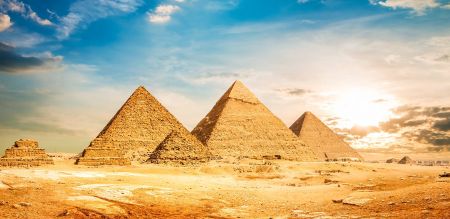
Discover the pyramids of giza, Egypt’s iconic wonders. Learn history, tips, and highlights in our complete guide. Start planning your visit today!
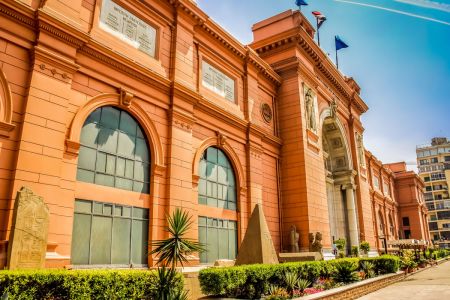
Covering more than 3,000 years, from the Old Kingdom to the Roman period in Egypt. It’s said that if you allowed one minute for each exhibit, it would take nine months to see everything here.
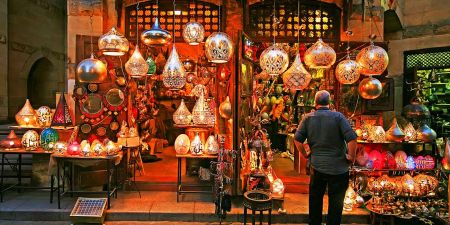
Existing since the Fatimid rule of Egypt, Khan el Khalili is the oldest Bazaars in Cairo always been a purveyor of all that is Precious & rare. Know more about the origins of this mystic bazaar
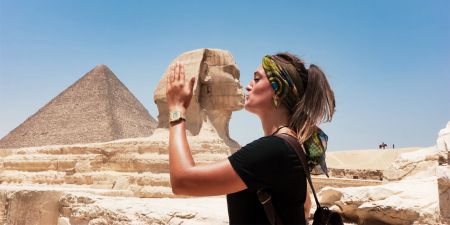
The Giza plateau is filled with Relics of ancient Egypt but few have shared the Reverance and Mysterious origins of the Mighty Sphinx, Dive into the Interesting details about this historical monument.
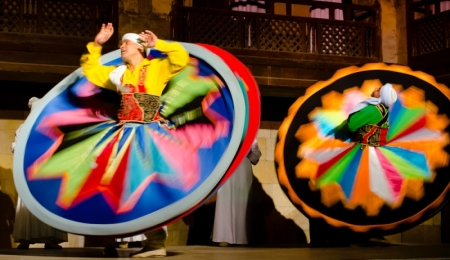
Discover why tanoura show cairo is a traveler’s favorite. Enjoy whirling dervishes, live music, and culture—secure your magical evening now!
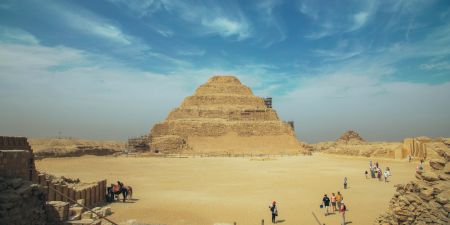
Saqqara was one of Egypt's greatest burial cemeteries, and it had been in use for for 3,000 years. The majority of it is still unexplored, but among the wonders on display is the spectacular Step Pyramid of Zoser.
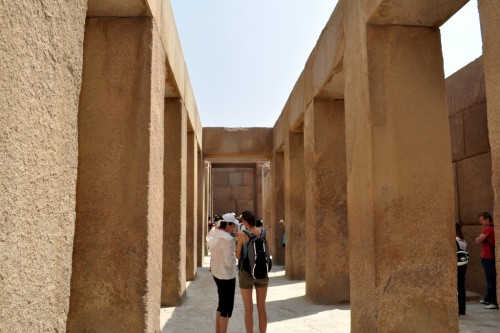
The Valley Temple was buried beneath the sand until it was discovered in 1852 by French Egyptologist Auguste Mariette.
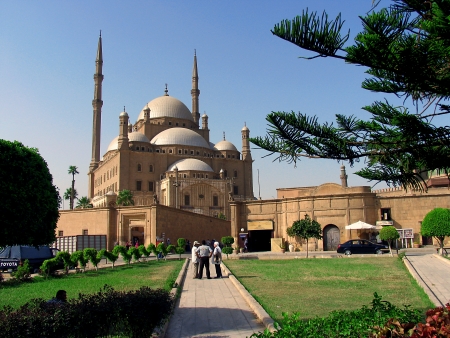
Visit the Saladin Citadel Of Cairo with the iconic Mosque of Muhammad Ali Cairo. Learn history and plan your Cairo adventure now!
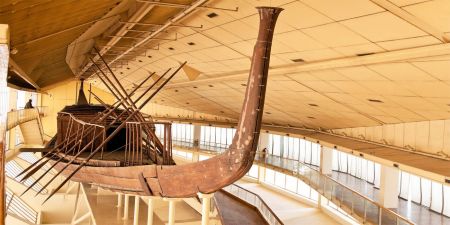
One of the many marvels of ancient Egypt is the Khufu Solar Boat, Residing in the Khufu ship museum. Discover more about this masterpiece, its history, discovery and purpose
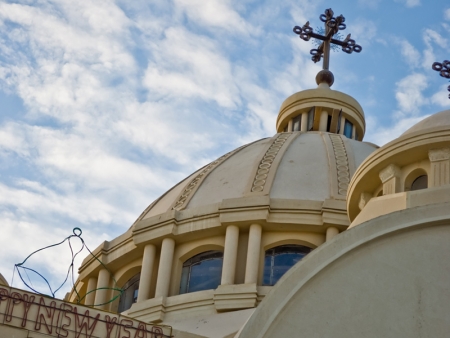
Saint George Church was constructed by Athanasius during the time of Ibn Marwan, Governor of Egypt, and is referenced in the History of the Coptic Patriarchs and by Al-Maqrizi.
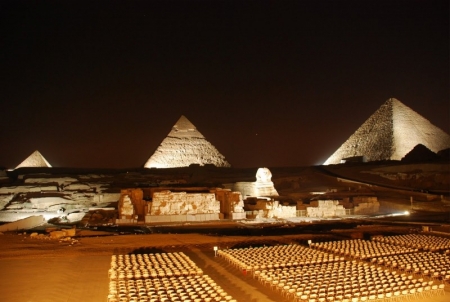
You enjoy the light and sound spectacle near the pyramids and Sphinx. The Sphinx retells history, revealing the world's most ancient mysteries.
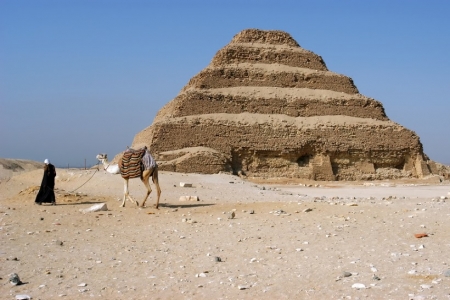
The greatest tomb in Saqqara is that of King Zoser (Djoser), whose Step Pyramid marked the beginning of the Pyramid Age.
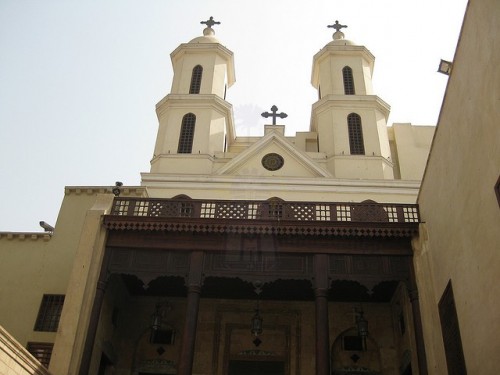
The most well-known church in Cairo is the Al Muallaqa church and one of the oldest in Coptic Egypt. Because it was built above the Babylon Fortress, it is named Al Muallaqa and is devoted to the Virgin Mary.
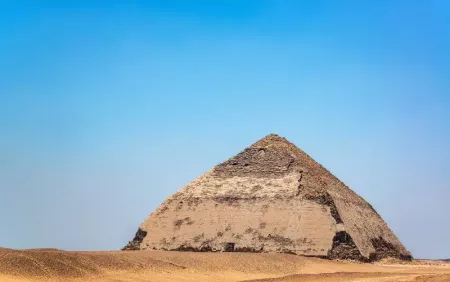
The Bent Pyramid at Dahshur features a rare bent profile created by ancient construction adjustments, offering insight into Egypt’s earliest attempts at smooth-sided pyramids.
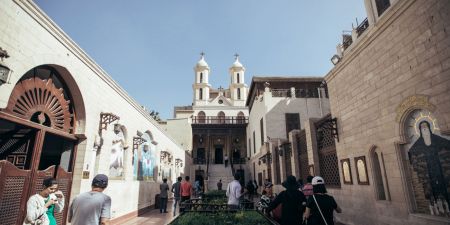
Coptic-cairo reveals Egypt’s Christian heritage through stunning churches and museums. Explore its wonders and plan your unforgettable visit!
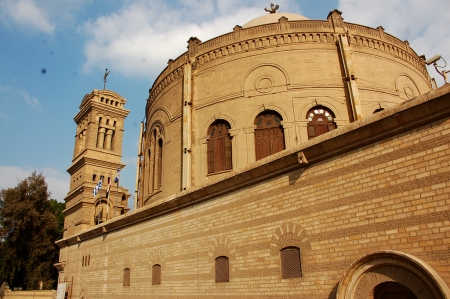
Saint Barbara’s Church in Coptic Cairo is one of Egypt’s oldest Christian monuments, dating back to the 5th–6th century. Known for housing the relics of Saint Barbara, the church reflects centuries of Coptic heritage, architectural evolution, and deep spiritual significance.

Explore the Fortress of Babylon, a major Roman fort in Old Cairo known for its strategic location, massive towers, and enduring historical significance.
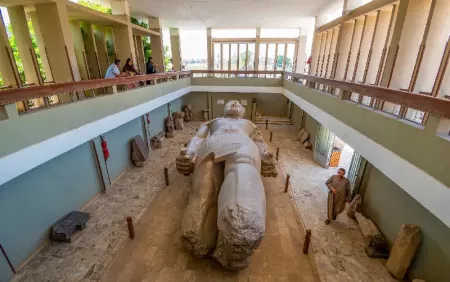
Memphis Necropolis is Egypt’s ancient royal burial site, home to pyramids, tombs, and monuments that reflect the early development of pharaonic civilization.
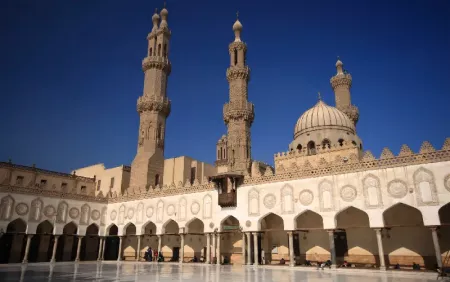
Al-Azhar Mosque is a landmark of Islamic scholarship and Fatimid architecture, home to the world’s second-oldest university and a symbol of Cairo’s spiritual heritage.
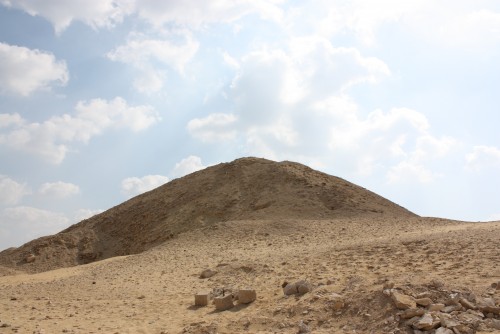
Teti’s Pyramid in Saqqara is an Old Kingdom monument built for the first king of the Sixth Dynasty. Known for its Pyramid Texts and unique mortuary chapel, it remains one of Egypt’s most historically important royal tombs.
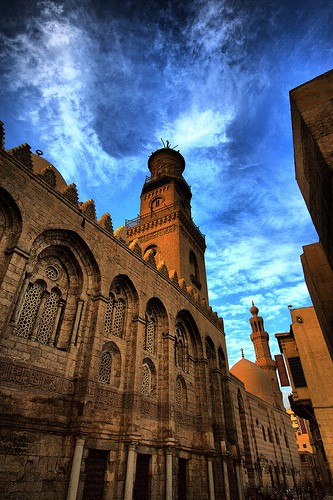
Al Muizz Street is one of Cairo’s oldest and most vibrant historic avenues, showcasing centuries of Islamic architecture. Lined with mosques, palaces, and bustling markets, it offers a captivating walk through Egypt’s medieval past.
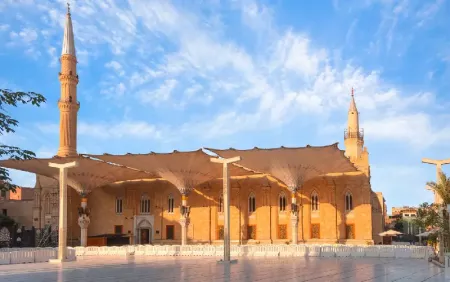
Al-Hussein Mosque is one of Cairo’s most sacred Islamic landmarks, built in 1154 and revered for housing the head of Imam Hussein. Located by Khan El-Khalili, it blends centuries of architectural heritage and remains a major pilgrimage site.
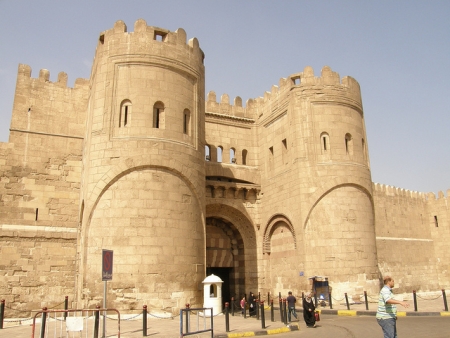
Bab al-Futuh is an 11th-century Fatimid gate in Old Cairo, famous for its massive round towers and strategic role in the city’s medieval fortifications.
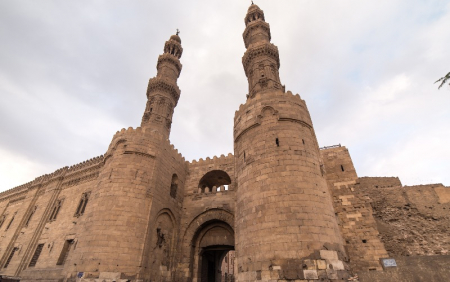
Bab Zuweila is one of Cairo’s last surviving medieval gates, built in 1092 CE by the Fatimid vizier Badr al-Jamali. Famous for its towering twin bastions, massive wooden doors, and later Mamluk minarets, it served as a defensive stronghold, execution site, and ceremonial gateway. Today, it stands as one of Cairo’s most iconic historic monuments.
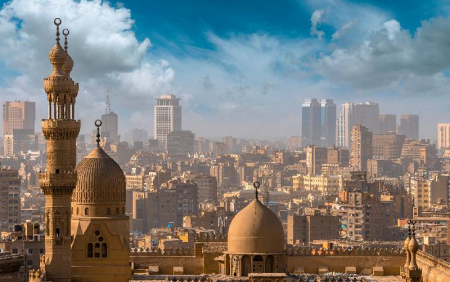
Al Rifai Mosque in Cairo blends Neo-Mamluk architecture with royal history. Completed in 1912, it serves as both a majestic mosque and mausoleum for Muhammad Ali’s family.
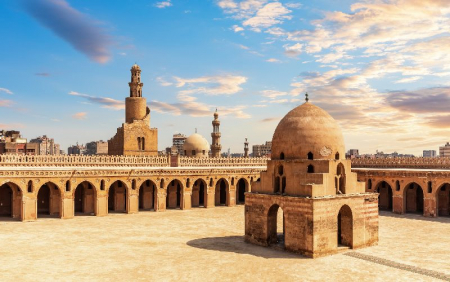
The Ibn Tulun Mosque, Cairo’s oldest well-preserved mosque, dates back to 879 CE. Famous for its vast square layout, intricate arches, and 128 ornate stucco windows, it remains a pinnacle of early Islamic architecture and a must-visit historical landmark.
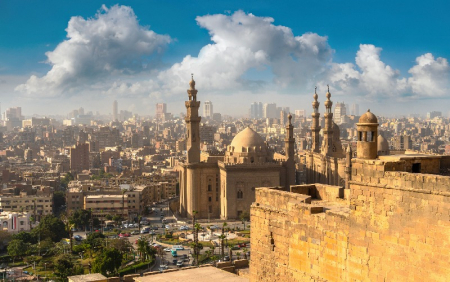
The Sultan Hassan Mosque, built in the 14th century, is a Bahri Mamluk architectural marvel in Cairo, renowned for its grand portal, extensive madrasas, and historic significance.

The Suez Canal, Egypt’s iconic waterway, connects Africa and Asia, handling thousands of ships yearly and shaping international trade.
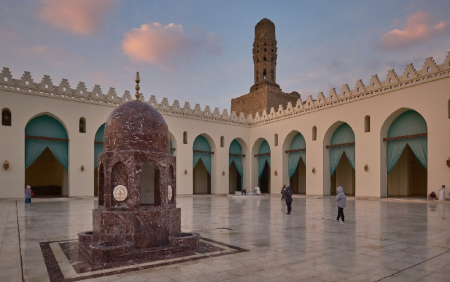
Al-Hakim Mosque, Cairo, is a stunning Fatimid-era mosque built between 990–1013 CE. Famous for its grand courtyard, distinctive minarets, and rich history, it remains a key cultural and religious landmark.
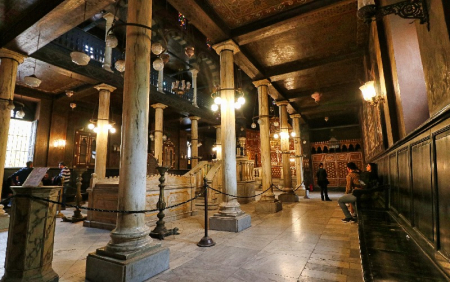
The Ben Ezra Synagogue, founded in the 11th century in Old Cairo, is Egypt’s oldest Jewish monument and the discovery site of the renowned Cairo Geniza.