
 Home
Home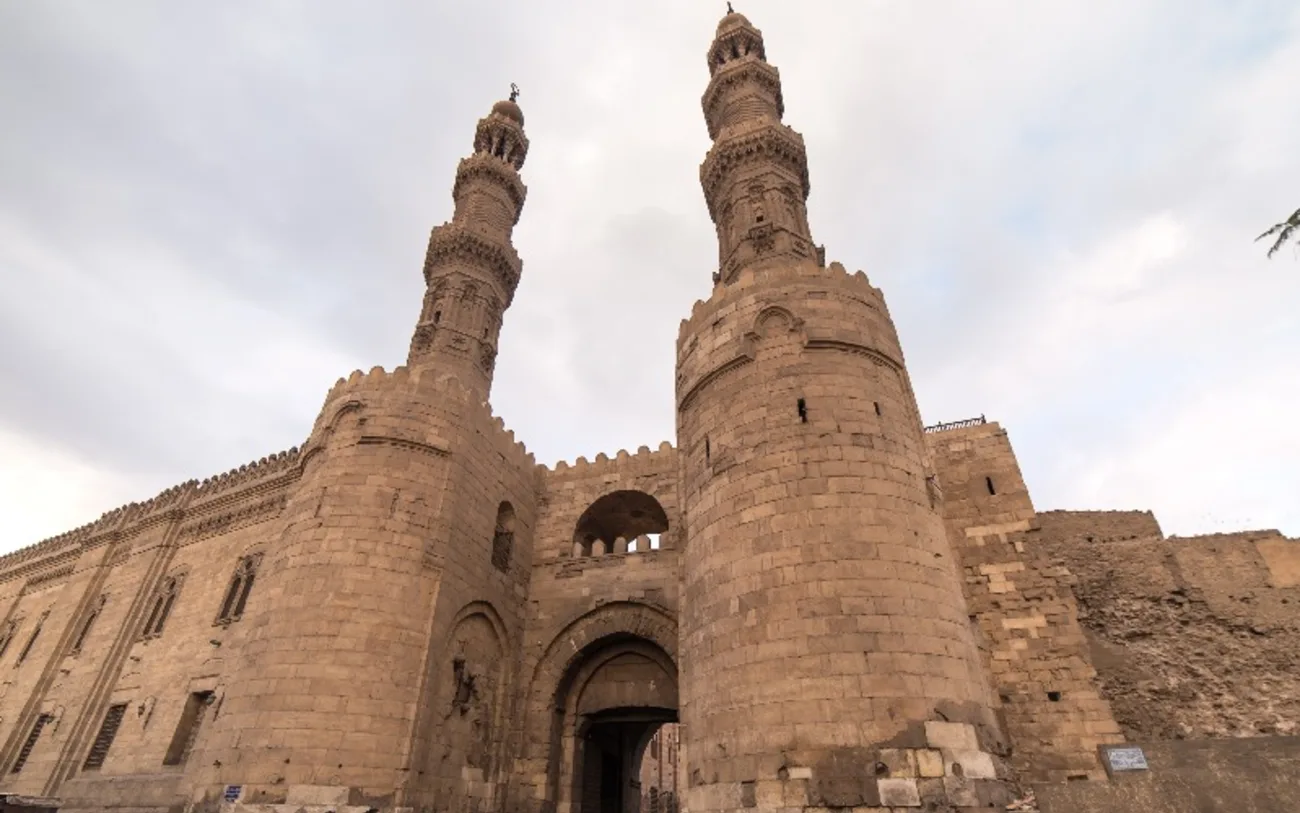
Bab Zuweila, constructed in 1092 CE by Fatimid vizier Badr al-Jamali, is one of the last three surviving gates of Cairo’s medieval walls. This iconic structure reflects the strength of Fatimid military architecture through its massive twin bastions, arched passageway, and heavy wooden doors—each leaf weighing around 3.5 tons. Over time, the gate assumed multiple roles: a key defensive point, a site for public executions during the Mamluk era (earning the name Bab al-Mathlum), and an administrative checkpoint regulating movement in and out of the city. In the 15th century, two elegant minarets were added as part of the adjacent Mosque of Sultan al-Mu’ayyad, enhancing its architectural grandeur. Today, Bab Zuweila remains a powerful symbol of Cairo’s layered military, political, and cultural history.
Bab Zuwayla is one of the three remaining gates in the historic city walls of Cairo, Egypt. It was constructed in 1092 CE and serves as a significant landmark showcasing Fatimid military architecture.
The origin and naming of Bab Zuwayla
The historical gate's name reveals its cultural significance, combining two distinct elements that trace back to the Fatimid era. The term "Bab Zuwayla" merges the Arabic word "bāb," meaning "gate," with "Zuwayla," derived from the Berber tribe that played a pivotal role in Cairo's early history.
The meaning of 'Bab Zuwayla'
The designation "Bab Zuwayla" reflects both the structure's function and its historical associations. This nomenclature originated during the founding of Cairo in 969 CE, when the city's defensive perimeter was first established. The gate marked a significant entry point into the southern section of Fatimid Cairo, serving as both a defensive structure and a symbolic boundary between the urban center and outlying areas.
Connection to the Zuwayla tribe
The "Zuwayla" portion of the name directly references the al-Zawila Berber tribe, whose members originated from the town of Zawila in Libya's Fezzan region. These Berber soldiers formed a crucial component of the Fatimid military forces that established Cairo. Historically, these troops were stationed and quartered in the vicinity of the gate when it was constructed in 1092 CE by Badr El Gamali, a powerful Fatimid commander.
Medieval chroniclers documented how the soldiers' encampments adjacent to the original gate site influenced its naming. This military connection established a permanent link between the architectural landmark and the tribal group whose presence shaped early Cairo's defensive organization.
Later names: Bab al-Mitwalli and their origins
Throughout its long history, the gate acquired alternative designations reflecting changing cultural contexts. Most notably, during the Ottoman period, the structure became known as "Bab al-Mitwalli" or "Bawabbat al-Mitwali". This secondary name emerged for multiple reasons connected to the area's evolving significance.
According to historian Caroline Williams, this designation dates specifically from the Ottoman era. The name derives from Mitwali al-Qutub (also spelled al-Kutb al-Mitwalli), a revered Muslim saint whose spiritual presence became closely associated with the gate. Local traditions held that this wali (saint) performed miracles and resided near the structure. Consequently, the gate transformed from a purely military installation into a sacred site where people sought spiritual intercession.
By the 15th century, the original association with the Zuwayla tribe had faded considerably, coinciding with the construction of the nearby al-Muayyad Mosque. This period marked the gate's transition into a multifaceted landmark embodying both historical memory and living religious tradition.
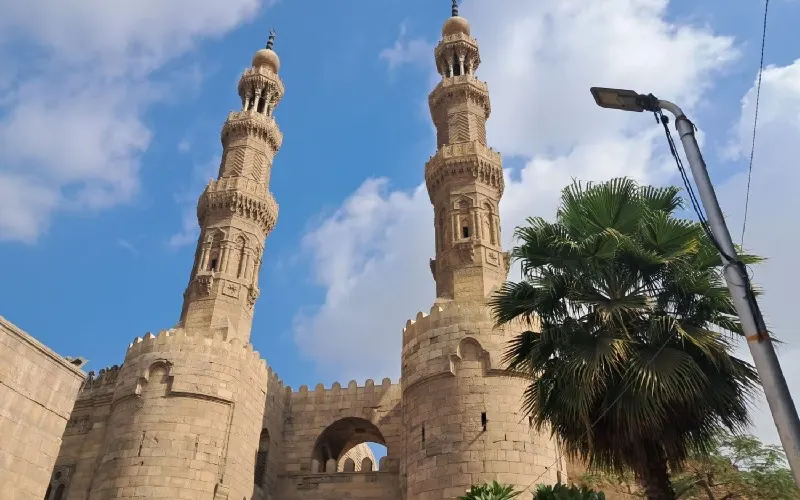
The name "Bab Zuwayla" combines the Arabic word for "gate" (bab) with "Zuwayla," referring to a Berber tribe stationed near the gate during its construction. Later, it also became known as "Bab al-Mitwalli" during the Ottoman period, associated with a revered Muslim saint.
Construction and evolution through dynasties
The architectural evolution of Bab Zuwayla spans multiple centuries, reflecting the changing political landscape of Cairo through structural modifications made by successive ruling dynasties.
Initial Fatimid construction in 1092
The original Bab Zuwayla was built in 969 as part of Cairo's founding, utilizing sun-dried brick walls. However, these primitive defenses proved inadequate against external threats. In response, Fatimid vizier Badr al-Jamali commissioned a comprehensive stone fortification project between 1087-1092. Bab Zuwayla was completed in 1092 as the final component of this defensive upgrade.
Historically significant, this construction marked Cairo's first major shift toward stone architecture. The gate featured two massive semicircular towers flanking a recessed entrance measuring approximately 4.82 meters wide. Badr al-Jamali, being Armenian himself, employed architects from Edessa in eastern Turkey, creating a distinct Byzantine-Syrian architectural style previously unseen in Egypt. This multicultural influence is evident in the gate's spherical-triangle pendentives and intersection of tunnel vaults.
Mamluk-era modifications and mosque integration
The most substantial transformation occurred between 1415-1422, when Sultan al-Mu'ayyad Shaykh constructed his adjacent mosque. In a remarkable feat of architectural integration, he repurposed the Fatimid gate towers as bases for two elegant minarets. These additions were completed sequentially—the western minaret in 1419 and the eastern in 1420.
Indeed, this modification directly connected the mosque and gate, with the northern wall of Bab Zuwayla becoming the southern wall of the mosque. This integration symbolized the union of military strength and religious faith characteristic of Mamluk rule.
Ottoman and 19th-century changes
After the Ottoman conquest, Bab Zuwayla witnessed the dramatic execution of the last Mamluk Sultan, Tumanbay, in 1517. Throughout the Ottoman period, routine maintenance included timber replacements and masonry repairs to counter everyday wear.
By the 18th century, urban encroachment had covered portions of the city wall and the staircase leading to the gate's upper section. Between 1860-1875, the minaret tops collapsed, followed by the removal of a stone lintel beneath the gateway arch in 1880. Beginning in the 1880s, the newly formed Comité de Conservation initiated restoration efforts that continue to modern times.
Originally built in 1092 during the Fatimid era, Bab Zuwayla underwent significant modifications in the Mamluk period, including the addition of minarets. It continued to be maintained and restored through Ottoman rule and into modern times, reflecting Cairo's changing political landscape.
Customize Your Dream Vacation!
Get in touch with our local experts for an unforgettable journey.
Plan Your TripArchitectural features and engineering
Bab Zuwayla's architectural design showcases exceptional medieval Islamic military engineering, with a structure spanning approximately 25.72 meters in width, 25 meters in depth, and reaching 24 meters in height.
Twin bastions and arched passage
The gate features two massive semi-circular bastion towers flanking a recessed central passageway approximately 4.82 meters wide. These towers, constructed from large limestone blocks, remain solid for their lower two-thirds. The smooth stonework of the curved façades is primarily relieved by arrow slits and shallow vertical panels crowned with pointed arches. Between these towers sits an arched passage covered by a semi-circular gate supporting a gallery.
Use of spolia and Fatimid inscriptions
Remarkably, the gate incorporates spolia—reused stones from ancient Egyptian temples—including a rediscovered lintel from the Temple of On in Heliopolis. Only one partially-preserved inscription in Kufic Arabic remains visible above the main archway, containing the shahada in its Shi'i form followed by the Throne Verse of the Qur'an.
Minarets added by Sultan al-Mu'ayyad
The two minarets rising from the towers belong to the adjacent Mosque of al-Mu'ayyad, added between 1415 and 1422. These Mamluk-style minarets were completed sequentially—the western in 1419 and the eastern in 1420. The architect, al-Mu'allim Muhammad ibn al-Qazzaz, unusually signed and dated his work inside the minarets.
Interior dome and defensive elements
Inside, the passageway is covered by a dome with pendentives. Essentially, the east side contains a large niche with a semi-dome decorated with shell-motif squinches, while the west side features an opening with an iron grille and muqarnas cornice. The structure incorporated machicolations for vertical defense and arrow slits for crossfire positioning.
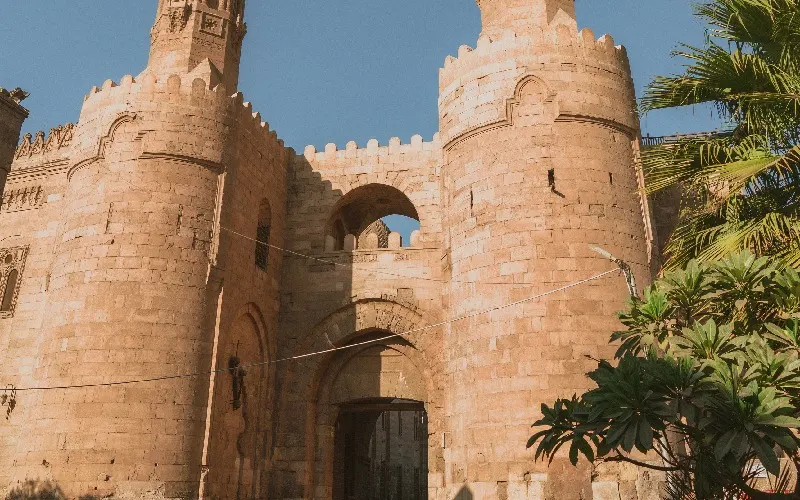
Bab Zuwayla features twin semi-circular bastion towers flanking an arched passageway. It incorporates limestone blocks, arrow slits, and spolia from ancient Egyptian temples. Two minarets, added in the 15th century, crown the structure as part of the adjacent Mosque of al-Mu'ayyad.
Historical functions and symbolic roles
Throughout centuries, Bab Zuwayla functioned beyond mere defense, serving as a stage for both somber political displays and jubilant religious celebrations in Cairo's social fabric.
Public executions and political messaging
Bab Zuwayla gained notoriety as Cairo's primary execution site, particularly during Mamluk rule. In 1260, Sultan Qutuz dramatically demonstrated power by executing six Mongol envoys sent by Hulagu, displaying their halved bodies on the gate before Egypt's victory at Ain Jalut. The most historically significant execution occurred in 1517 when Ottoman Sultan Selim I ordered Tuman Bay II, the last Mamluk sultan, hanged from the gate's arch. His body remained suspended for three days, symbolizing the definitive transfer from Mamluk to Ottoman sovereignty. Throughout medieval Cairo, rulers regularly displayed executed criminals' heads above the gate's walls, establishing a grim visual reminder of authority.
Ceremonial uses during pilgrimages
In contrast to its macabre reputation, Bab Zuwayla simultaneously served ceremonial functions. The gate marked the departure point for the annual Mahmal procession—the ornate palanquin caravan heading to Mecca for pilgrimage. Mamluk sultans traditionally observed these religious processions from platforms atop the gate's twin towers. Moreover, drummers positioned on these platforms would play whenever important Mamluk amirs entered the city, transforming the gate into a ceremonial threshold announcing official arrivals.
Religious associations with saints and rituals
Over time, Bab Zuwayla evolved into a sacred site associated with the legendary saint Mitwali al-Qutub. Local traditions held that this imaginary wali manifested as a gleam of light within the gatehouse. Residents suffering from ailments would attach teeth, nails, or cloth to the gate, believing in the saint's healing powers. These folk practices persisted until at least the 18th century, as evidenced by a 1730s riot when reformers attempted to suppress such expressions of saint veneration.
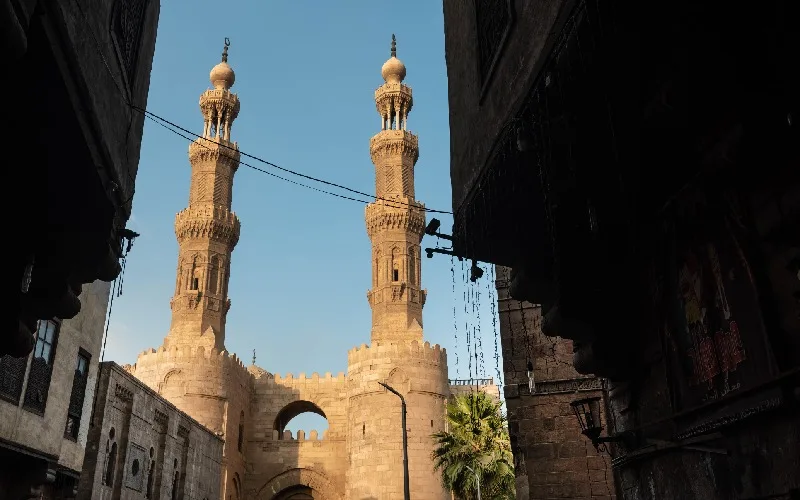
Bab Zuwayla has played multiple roles throughout history. Initially a defensive structure, it later became a public execution site, a ceremonial gateway for pilgrimages, and a sacred site associated with a Muslim saint. It reflects Cairo's architectural, military, religious, and social history.
Bab Zuwayla thus stands as a remarkable testament to Cairo's complex historical tapestry, spanning nearly a millennium of Egyptian history. Originally constructed as a defensive structure during the Fatimid period, this monumental gate subsequently transformed through Mamluk and Ottoman modifications into a multifaceted landmark. The gate's distinctive architectural elements—twin bastions, arched passage, and later-added minarets—exemplify the evolution of military and religious architecture throughout medieval Islamic Cairo.
Throughout centuries, the gate served various functions beyond its primary defensive purpose. Previously a site for public executions, most notably that of the last Mamluk sultan Tuman Bay II in 1517, Bab Zuwayla simultaneously functioned as an observation point for religious processions and ceremonies. Additionally, the structure's association with the saint Mitwali al-Qutub transformed it into a sacred site where locals sought spiritual intercession.
The dual naming of the gate likewise reflects its historical complexity. Initially named after the Berber Zuwayla tribe stationed nearby during the Fatimid era, the gate later acquired the alternative designation "Bab al-Mitwalli" during Ottoman rule. This nomenclature evolution parallels the physical changes the structure underwent as Cairo expanded and transformed around it.
Undoubtedly, Bab Zuwayla remains one of Cairo's most significant historical structures. The gate survives as one of only three remaining gates from the city's medieval walls, therefore providing invaluable insights into Cairo's architectural, military, religious, and social history. This enduring monument continues to bridge past and present, standing as a tangible connection to the diverse dynasties that shaped Egypt's capital over the centuries.
Yes, visitors can climb the interior stairways of the twin towers to reach panoramic viewpoints overlooking Historic Cairo. The climb offers unique views of medieval streets, mosques, markets, and the old city walls.
Bab Zuwayla served as the ceremonial starting point of the annual Hajj caravan to Mecca. Processions of pilgrims, camels, and officials would pass through the gate, making it a symbolic portal of blessing and safe travel.
Yes, Bab Zuwayla is directly connected to the Mosque of Sultan al-Mu'ayyad, whose grand red-brick façade and twin minarets rise above the gate. The mosque was built in the early 15th century, incorporating the gate’s towers into its design.
Excavations revealed reused ancient Egyptian stones within the gate’s structure, including blocks taken from temples and earlier buildings. This reflects the medieval practice of repurposing older materials in new constructions.
Visitors can explore the gate’s interior chambers, climb the towers, view historical exhibits, and walk through the bustling streets of the nearby Khan el-Khalili and Al-Mu'izz Street. The site is well-preserved and offers an immersive experience into Fatimid and Mamluk Cairo.
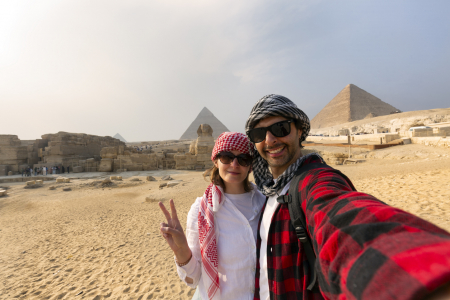
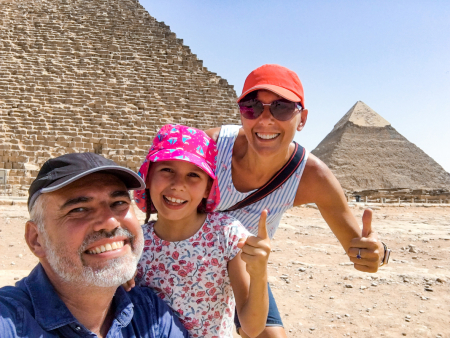
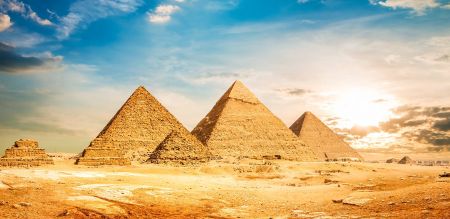
Discover the pyramids of giza, Egypt’s iconic wonders. Learn history, tips, and highlights in our complete guide. Start planning your visit today!
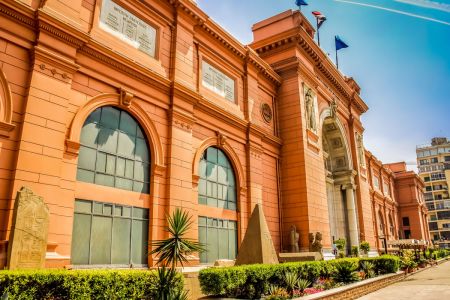
Covering more than 3,000 years, from the Old Kingdom to the Roman period in Egypt. It’s said that if you allowed one minute for each exhibit, it would take nine months to see everything here.
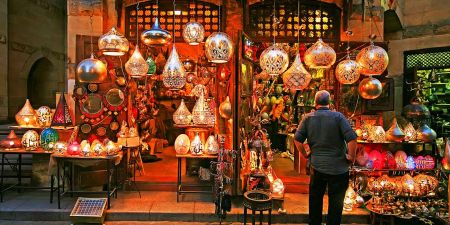
Existing since the Fatimid rule of Egypt, Khan el Khalili is the oldest Bazaars in Cairo always been a purveyor of all that is Precious & rare. Know more about the origins of this mystic bazaar
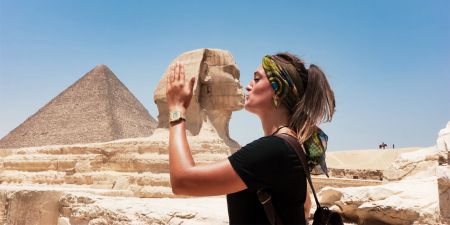
The Giza plateau is filled with Relics of ancient Egypt but few have shared the Reverance and Mysterious origins of the Mighty Sphinx, Dive into the Interesting details about this historical monument.
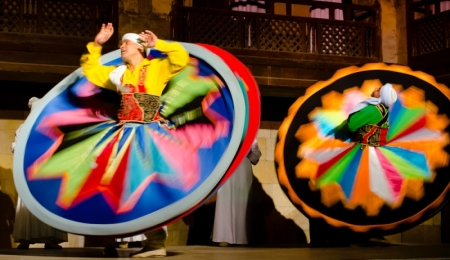
Discover why tanoura show cairo is a traveler’s favorite. Enjoy whirling dervishes, live music, and culture—secure your magical evening now!
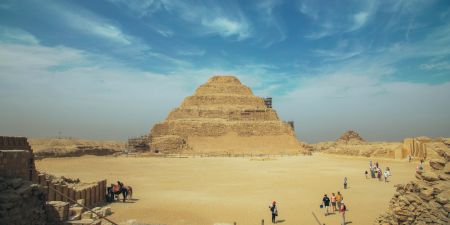
Saqqara was one of Egypt's greatest burial cemeteries, and it had been in use for for 3,000 years. The majority of it is still unexplored, but among the wonders on display is the spectacular Step Pyramid of Zoser.
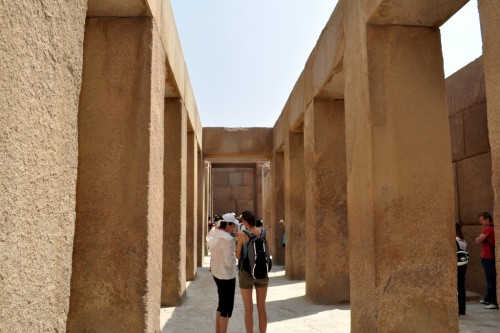
The Valley Temple was buried beneath the sand until it was discovered in 1852 by French Egyptologist Auguste Mariette.
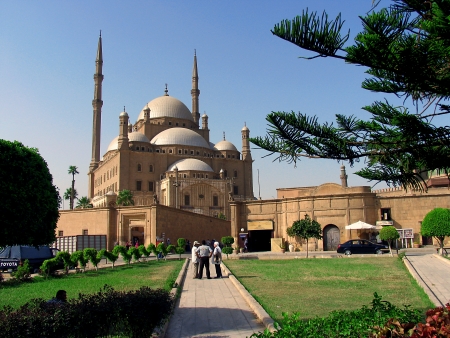
Visit the Saladin Citadel Of Cairo with the iconic Mosque of Muhammad Ali Cairo. Learn history and plan your Cairo adventure now!
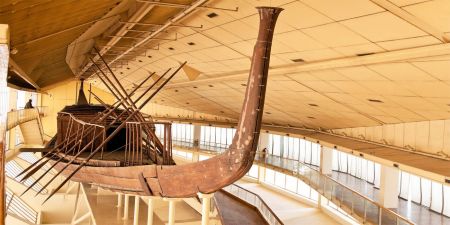
One of the many marvels of ancient Egypt is the Khufu Solar Boat, Residing in the Khufu ship museum. Discover more about this masterpiece, its history, discovery and purpose
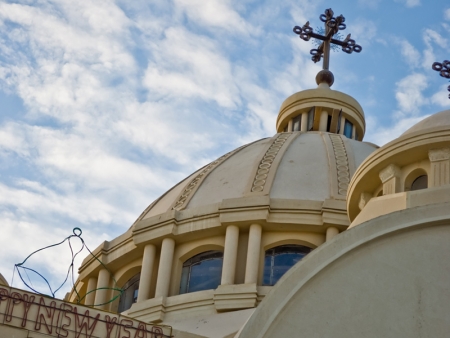
Saint George Church was constructed by Athanasius during the time of Ibn Marwan, Governor of Egypt, and is referenced in the History of the Coptic Patriarchs and by Al-Maqrizi.
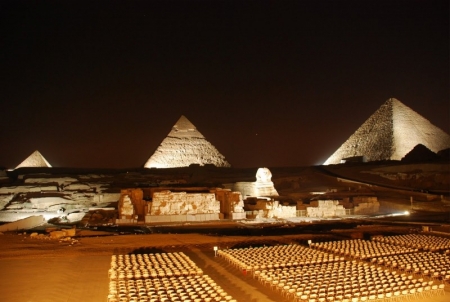
You enjoy the light and sound spectacle near the pyramids and Sphinx. The Sphinx retells history, revealing the world's most ancient mysteries.
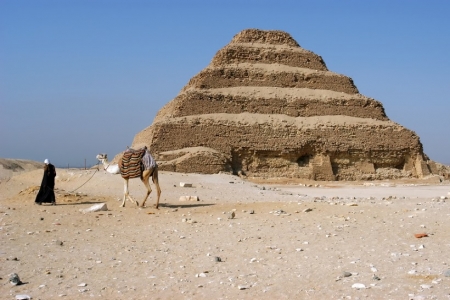
The greatest tomb in Saqqara is that of King Zoser (Djoser), whose Step Pyramid marked the beginning of the Pyramid Age.
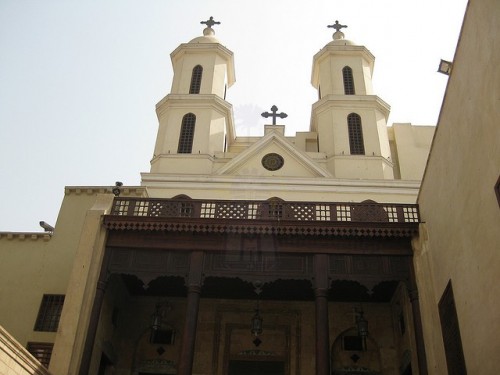
The most well-known church in Cairo is the Al Muallaqa church and one of the oldest in Coptic Egypt. Because it was built above the Babylon Fortress, it is named Al Muallaqa and is devoted to the Virgin Mary.
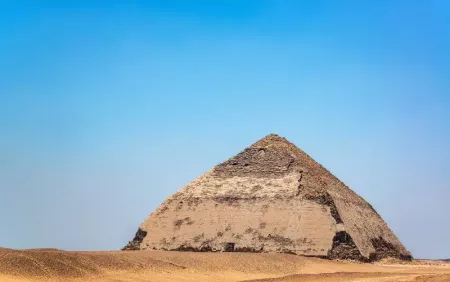
The Bent Pyramid at Dahshur features a rare bent profile created by ancient construction adjustments, offering insight into Egypt’s earliest attempts at smooth-sided pyramids.
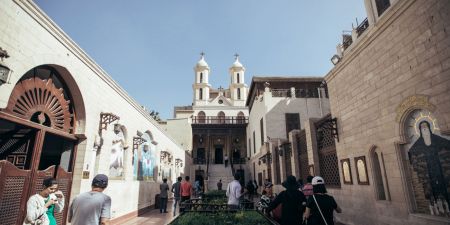
Coptic-cairo reveals Egypt’s Christian heritage through stunning churches and museums. Explore its wonders and plan your unforgettable visit!
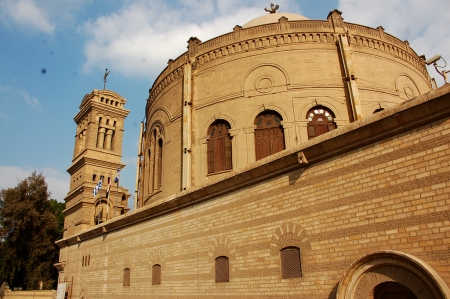
Saint Barbara’s Church in Coptic Cairo is one of Egypt’s oldest Christian monuments, dating back to the 5th–6th century. Known for housing the relics of Saint Barbara, the church reflects centuries of Coptic heritage, architectural evolution, and deep spiritual significance.

Explore the Fortress of Babylon, a major Roman fort in Old Cairo known for its strategic location, massive towers, and enduring historical significance.
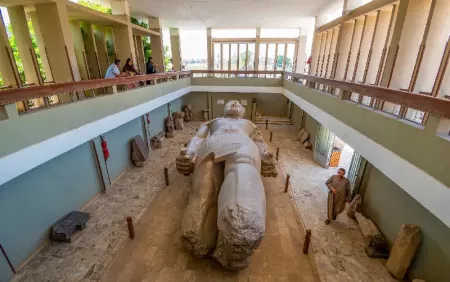
Memphis Necropolis is Egypt’s ancient royal burial site, home to pyramids, tombs, and monuments that reflect the early development of pharaonic civilization.
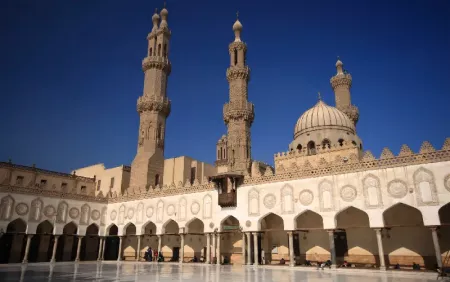
Al-Azhar Mosque is a landmark of Islamic scholarship and Fatimid architecture, home to the world’s second-oldest university and a symbol of Cairo’s spiritual heritage.
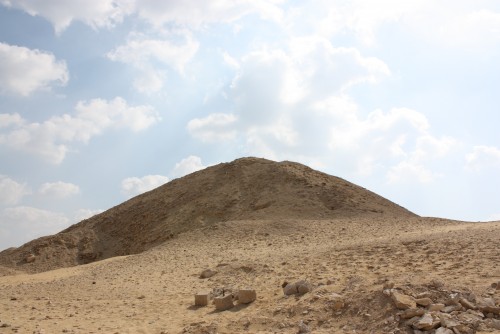
Teti’s Pyramid in Saqqara is an Old Kingdom monument built for the first king of the Sixth Dynasty. Known for its Pyramid Texts and unique mortuary chapel, it remains one of Egypt’s most historically important royal tombs.
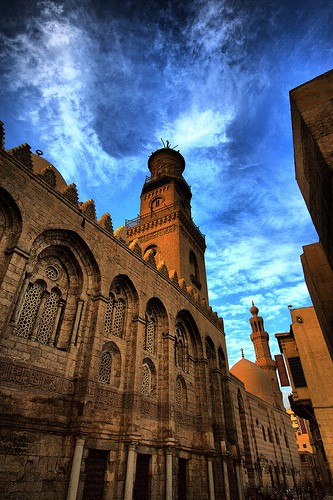
Al Muizz Street is one of Cairo’s oldest and most vibrant historic avenues, showcasing centuries of Islamic architecture. Lined with mosques, palaces, and bustling markets, it offers a captivating walk through Egypt’s medieval past.
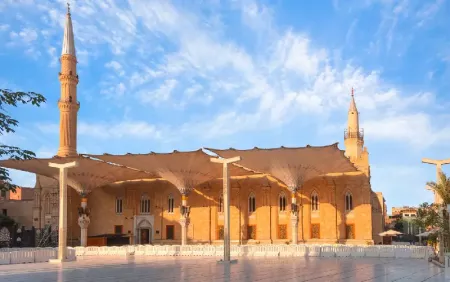
Al-Hussein Mosque is one of Cairo’s most sacred Islamic landmarks, built in 1154 and revered for housing the head of Imam Hussein. Located by Khan El-Khalili, it blends centuries of architectural heritage and remains a major pilgrimage site.
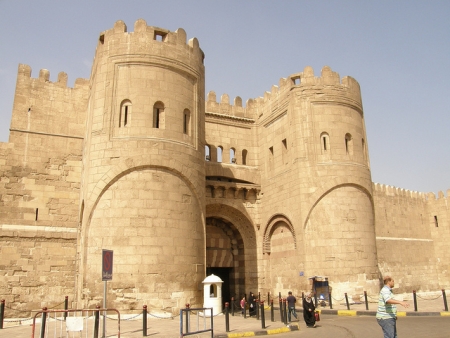
Bab al-Futuh is an 11th-century Fatimid gate in Old Cairo, famous for its massive round towers and strategic role in the city’s medieval fortifications.
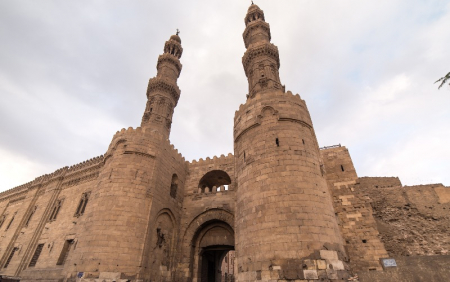
Bab Zuweila is one of Cairo’s last surviving medieval gates, built in 1092 CE by the Fatimid vizier Badr al-Jamali. Famous for its towering twin bastions, massive wooden doors, and later Mamluk minarets, it served as a defensive stronghold, execution site, and ceremonial gateway. Today, it stands as one of Cairo’s most iconic historic monuments.
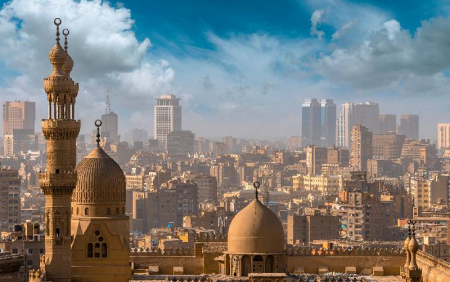
Al Rifai Mosque in Cairo blends Neo-Mamluk architecture with royal history. Completed in 1912, it serves as both a majestic mosque and mausoleum for Muhammad Ali’s family.
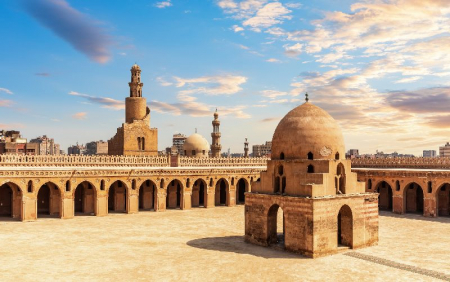
The Ibn Tulun Mosque, Cairo’s oldest well-preserved mosque, dates back to 879 CE. Famous for its vast square layout, intricate arches, and 128 ornate stucco windows, it remains a pinnacle of early Islamic architecture and a must-visit historical landmark.
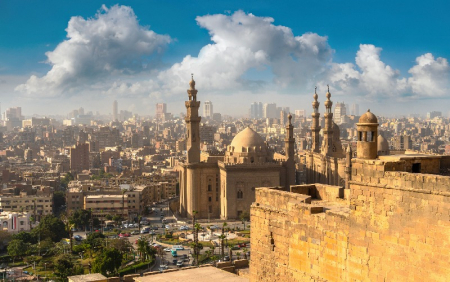
The Sultan Hassan Mosque, built in the 14th century, is a Bahri Mamluk architectural marvel in Cairo, renowned for its grand portal, extensive madrasas, and historic significance.

The Suez Canal, Egypt’s iconic waterway, connects Africa and Asia, handling thousands of ships yearly and shaping international trade.
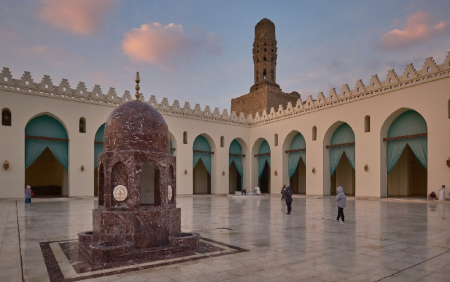
Al-Hakim Mosque, Cairo, is a stunning Fatimid-era mosque built between 990–1013 CE. Famous for its grand courtyard, distinctive minarets, and rich history, it remains a key cultural and religious landmark.
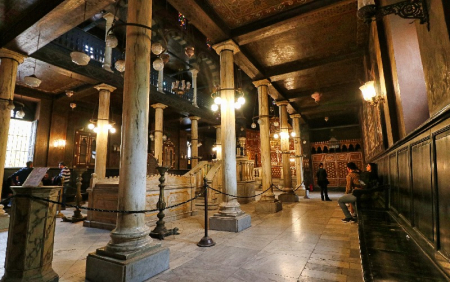
The Ben Ezra Synagogue, founded in the 11th century in Old Cairo, is Egypt’s oldest Jewish monument and the discovery site of the renowned Cairo Geniza.