
 Home
Home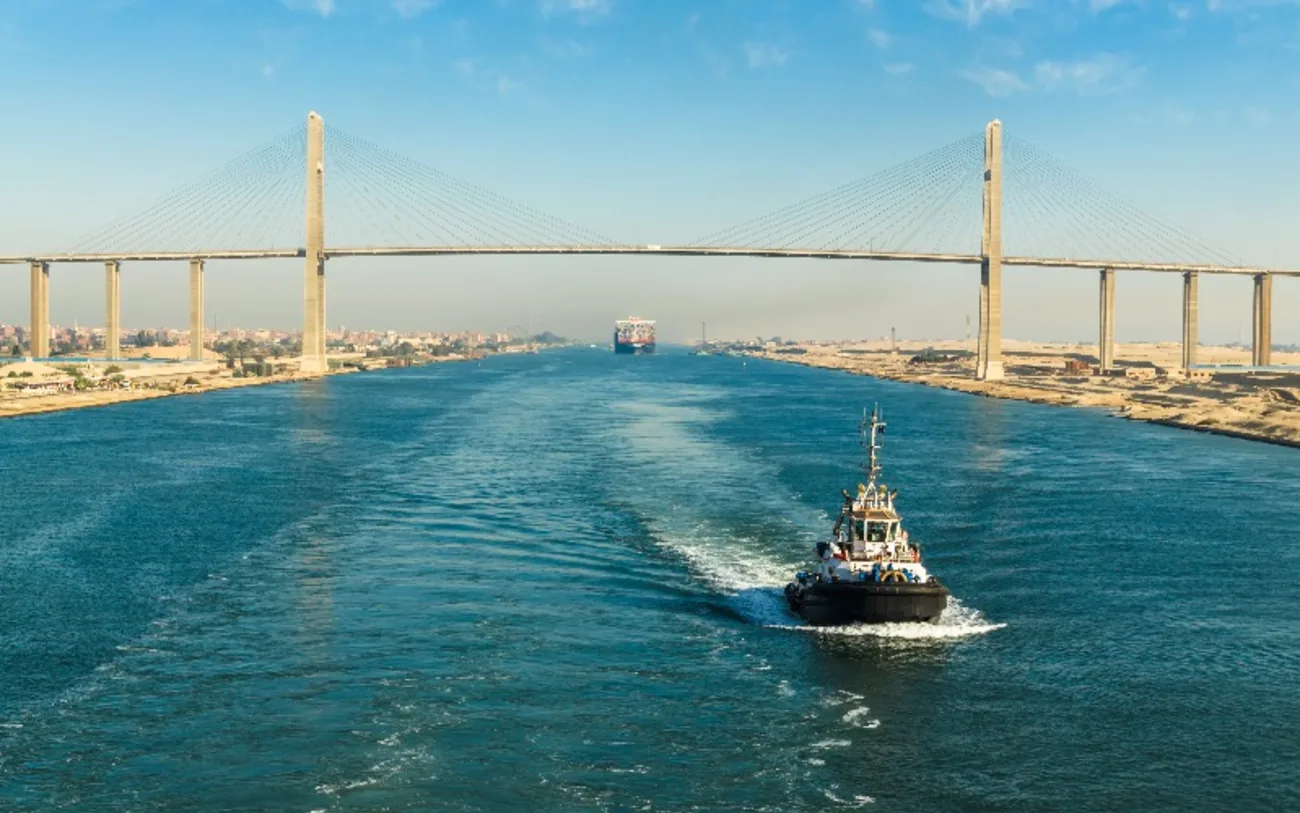
Ancient efforts to connect the seas
The modern canal traces its roots to millennia of human ambition. Pharaohs, Persian kings, and Islamic commanders all attempted to link the Nile and Red Sea. Each civilization left traces of their engineering efforts, reflecting a long-standing desire to facilitate trade and communication between Africa and Asia.
Early Nile to Red Sea canals
Egypt witnessed the earliest documented attempts with Pharaoh Senusret III (circa 1870–1831 BCE) and possibly Ramses I (around 2000 BCE). The “Canal of the Pharaohs” allowed small boats to traverse between the Nile and Red Sea, though upstream navigation required teams of horses or camels. Pharaoh Necho II (610–595 BCE) later attempted to expand this route, but technical and environmental challenges, noted by Aristotle, hindered completion.
Persian and Roman reconstructions
Persian King Darius I (522–486 BCE) succeeded where Egyptian rulers had failed, constructing a functional canal around 510 BCE, with monuments celebrating the achievement. Ptolemy II Philadelphus later restored the waterway with technical innovations to prevent saltwater intrusion. Roman Emperor Trajan (98–115 AD) further reconstructed the canal, relocating the Nile entrance near modern Old Cairo and fortifying the route.
Islamic and medieval canal attempts
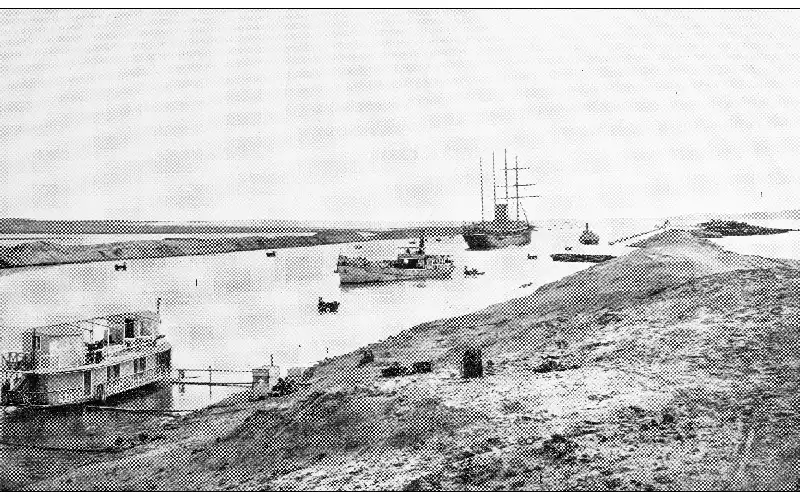
Following the Arab conquest in 641 AD, Commander Amr ibn al-As reopened the silted canal, known as the “Amir El-Mo'menin Canal,” connecting with the Nile near present-day Sayyida Zaynab. It served trade and communication for over a century but was closed in 767 AD by Caliph al-Mansur for strategic reasons. Over time, the canal fell into desert sands until rediscovered by Napoleon’s scholars in the late 18th century.
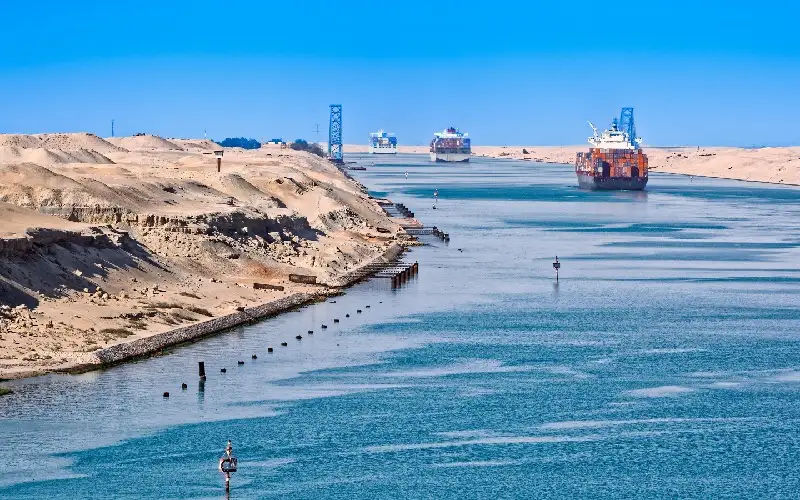
The Suez Canal is owned and operated by Egypt. It was nationalized in 1956 by President Gamal Abdel Nasser, and since then, it has remained under Egyptian control.
The making of the modern Suez Canal
Napoleon Bonaparte’s 1798 expedition laid the groundwork for a modern canal, inspiring future engineers and establishing Egypt’s Institut d’Egypte. French diplomat Ferdinand de Lesseps successfully convinced Egypt’s ruler Mohammad Saeed in 1854 to authorize the construction of a direct canal. The project officially began in 1859 under the Compagnie universelle du canal maritime de Suez, a joint French-Egyptian venture.
Who built the Suez Canal and why
The canal arose from a combination of French vision, Egyptian resources, and international investment. It offered European merchants a direct maritime link to Asia, bypassing Africa’s Cape of Good Hope. De Lesseps, skilled in diplomacy rather than engineering, organized funding, recruited workers, and oversaw construction, turning a decades-old dream into reality.
The role of Ferdinand de Lesseps
De Lesseps, born in 1805, lacked technical expertise but excelled in persuasion and networking. Leveraging his relationship with Said Pasha and inspiration from Napoleon’s aborted plans, he secured investment and labor for the canal project, culminating in its successful completion despite immense challenges.
Construction timeline: 1859–1869
Construction began at Port Said on April 25, 1859. Initial work relied on manual labor, leading to extreme hardships: disease, malnutrition, and exhaustion claimed around 120,000 lives among the million workers employed. European laborers and steam-powered dredgers later accelerated progress. Lake Timsah received its first Mediterranean waters in 1862, and the canal finally connected the two seas on August 18, 1869.
Engineering challenges and solutions
Labor unrest and cholera outbreaks delayed the project by four years. Contractors Borel and Lavalley revolutionized excavation with purpose-built dredgers suited to the isthmus’s unique geological challenges, enabling successful completion.
Opening ceremony and early operations
On November 17, 1869, the canal was inaugurated with a grand maritime procession attended by French Empress Eugenie and European dignitaries. The canal, carved from 74 million cubic meters of earth, measured 8 meters deep and 22 meters at the bottom, expanding to 61–91 meters at the surface. The project cost 433 million francs, double the original estimate.
The Suez Canal was built to create a direct shipping route between the Mediterranean Sea and the Red Sea, significantly reducing travel time and costs for ships that previously had to sail around Africa.
Customize Your Dream Vacation!
Get in touch with our local experts for an unforgettable journey.
Plan Your TripStrategic and political turning points
The canal’s strategic value made it a focus of international power struggles.
British acquisition and control
In 1875, British Prime Minister Benjamin Disraeli purchased 44% of the canal shares from Khedive Ismail, ensuring British influence while France retained 56%. In 1882, Britain occupied Egypt following the Urabi Revolt, maintaining canal control through the mid-20th century.
Nationalization by Egypt in 1956
On July 26, 1956, President Gamal Abdel Nasser announced the canal’s nationalization to finance the Aswan High Dam, triggering the Suez Crisis.
The Suez Crisis and international response
Britain, France, and Israel launched a military intervention on October 29, 1956, but international pressure, especially from the U.S. and the USSR, forced a ceasefire by November 6.
Impact of Arab-Israeli conflicts
During the Six-Day War in 1967, Israeli forces occupied the Sinai Peninsula, halting canal operations for eight years.
UN peacekeeping and reopening in 1975
President Anwar Sadat announced the canal’s reopening for June 5, 1975. UN peacekeeping forces ensured stability along the canal, allowing normal shipping to resume.
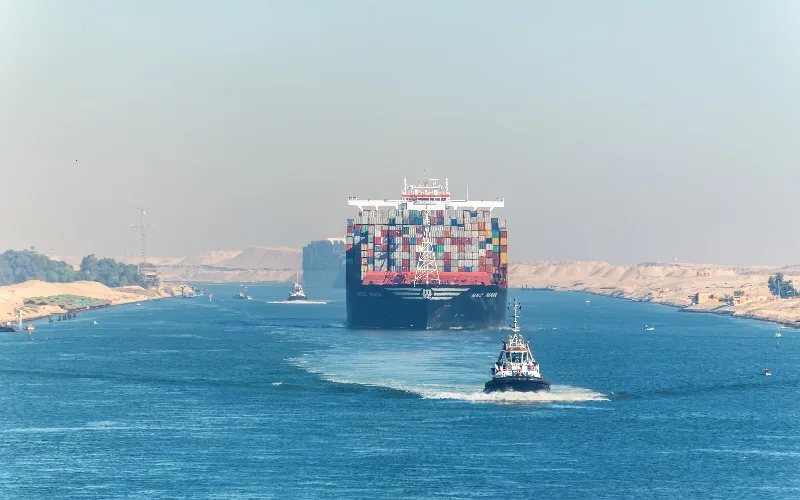
Yes, the Suez Canal has been closed several times. Most notably, it was closed from 1956 to 1957 during the Suez Crisis, and again from 1967 to 1975 due to the Arab-Israeli conflict.
Modern developments and global role
Recent decades have seen engineering advances and expansions, preserving the canal’s vital role in global trade.
2015 expansion and New Suez Canal
Egypt completed a £5.2 billion expansion in 2015, adding 35 kilometers of new channels and deepening 35 kilometers of existing waterway. Transit times were cut from 18 to 11 hours, and waiting periods reduced from 8–11 hours to three hours, boosting revenue and efficiency.
2021 Ever Given blockage and response
In March 2021, the container ship Ever Given blocked the canal for six days, halting 369 ships and causing losses of £7.62 billion per day. Egypt responded by planning further widening projects.
Suez Canal Economic Zone
Established in 2015, SCZONE spans 461 square kilometers, with industrial zones, ports, and supporting infrastructure, promoting economic growth along the canal.
Ongoing upgrades and future plans
By 2024, a 10-kilometer extension expanded two-way traffic to 82 kilometers, and the Suez Canal Container Terminal added 2.2 million TEUs in annual capacity, strengthening the canal’s global position.
Conclusion
The Suez Canal, at the crossroads of continents and history, has reshaped maritime trade for over 150 years. From ancient pharaonic attempts to modern container ships, it demonstrates human ingenuity, vision, and determination. It continues to serve as a critical artery for global commerce, reflecting centuries of ambition, conflict, and innovation.
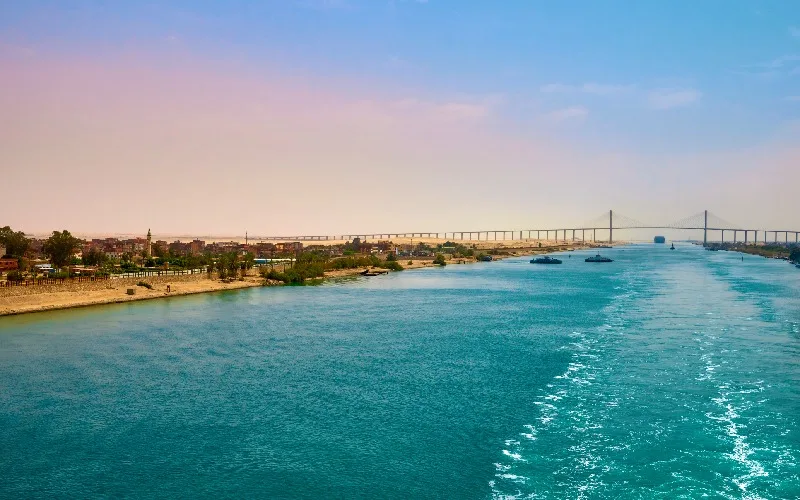
In 2015, Egypt completed a major expansion project called the New Suez Canal, which added new channels and deepened existing ones. This expansion reduced transit times and increased the canal's capacity.
The Suez Canal is crucial to global trade, handling approximately 8% of annual seaborne trade. In 2021 alone, it accommodated about 20,600 vessels, demonstrating its vital role in international commerce.
A full transit through the Suez Canal typically takes 10 to 12 hours, depending on traffic, vessel size, and weather conditions.
The Suez Canal is one of Egypt’s biggest revenue sources, generating billions of dollars annually through ship tolls and transit fees.
Yes. The canal has specific dimensional limits known as Suezmax, allowing most modern cargo ships and tankers to pass, but extremely large vessels (like some ULCC supertankers) may not qualify.
A wide range of ships use the canal, including container ships, oil tankers, LNG carriers, bulk carriers, and passenger vessels, making it one of the busiest waterways in the world.
Yes. The Suez Canal is a sea-level waterway, meaning it has no locks, allowing ships to pass continuously without elevation changes.
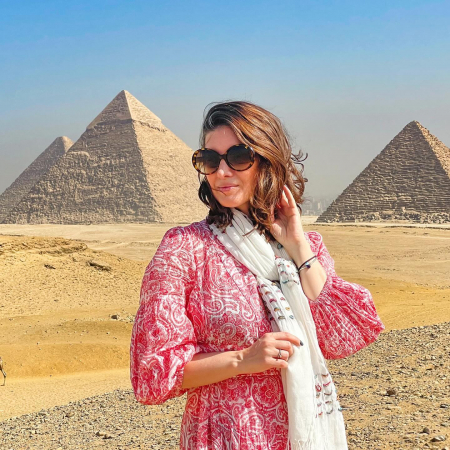
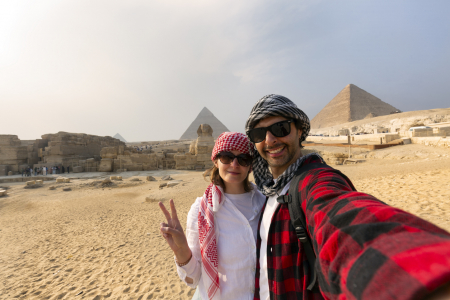

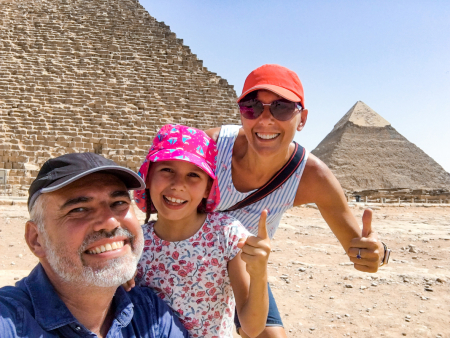
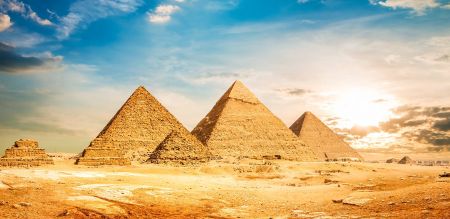
Discover the pyramids of giza, Egypt’s iconic wonders. Learn history, tips, and highlights in our complete guide. Start planning your visit today!
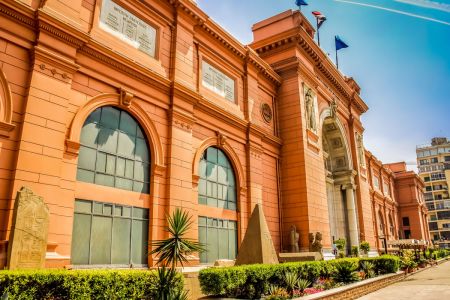
Covering more than 3,000 years, from the Old Kingdom to the Roman period in Egypt. It’s said that if you allowed one minute for each exhibit, it would take nine months to see everything here.
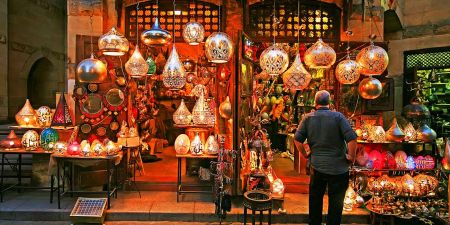
Existing since the Fatimid rule of Egypt, Khan el Khalili is the oldest Bazaars in Cairo always been a purveyor of all that is Precious & rare. Know more about the origins of this mystic bazaar
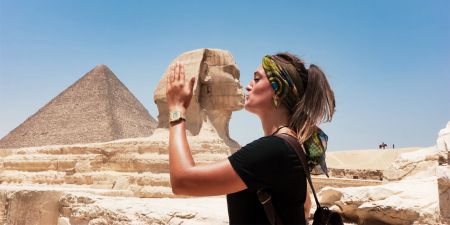
The Giza plateau is filled with Relics of ancient Egypt but few have shared the Reverance and Mysterious origins of the Mighty Sphinx, Dive into the Interesting details about this historical monument.
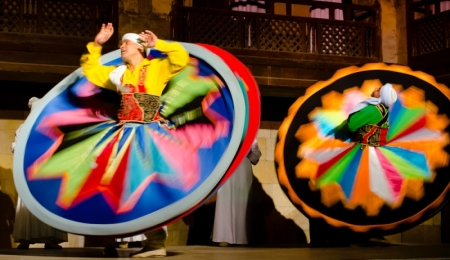
Discover why tanoura show cairo is a traveler’s favorite. Enjoy whirling dervishes, live music, and culture—secure your magical evening now!
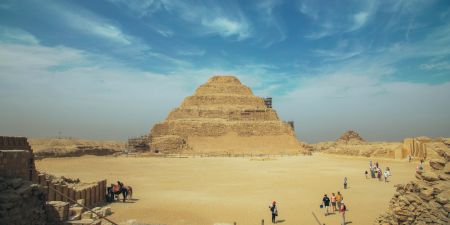
Saqqara was one of Egypt's greatest burial cemeteries, and it had been in use for for 3,000 years. The majority of it is still unexplored, but among the wonders on display is the spectacular Step Pyramid of Zoser.
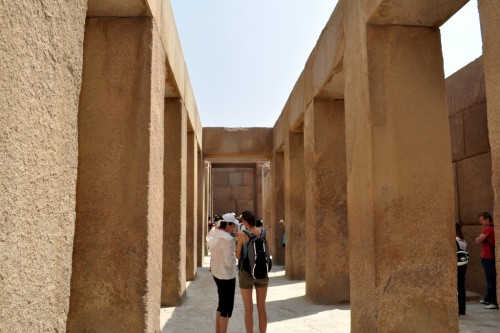
The Valley Temple was buried beneath the sand until it was discovered in 1852 by French Egyptologist Auguste Mariette.
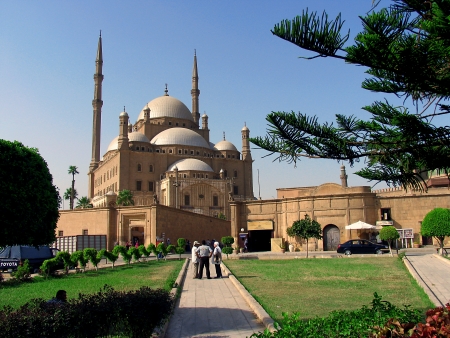
Visit the Saladin Citadel Of Cairo with the iconic Mosque of Muhammad Ali Cairo. Learn history and plan your Cairo adventure now!
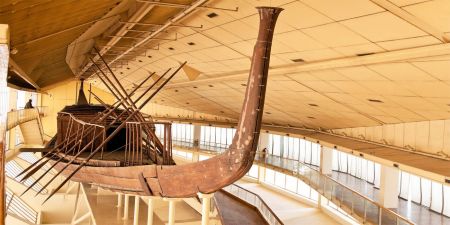
One of the many marvels of ancient Egypt is the Khufu Solar Boat, Residing in the Khufu ship museum. Discover more about this masterpiece, its history, discovery and purpose
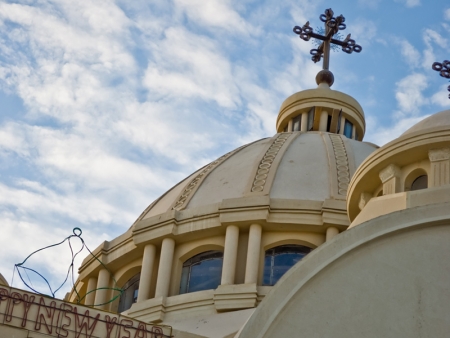
Saint George Church was constructed by Athanasius during the time of Ibn Marwan, Governor of Egypt, and is referenced in the History of the Coptic Patriarchs and by Al-Maqrizi.
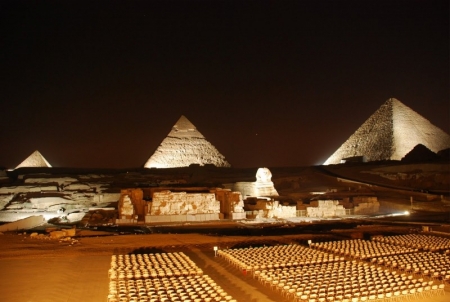
You enjoy the light and sound spectacle near the pyramids and Sphinx. The Sphinx retells history, revealing the world's most ancient mysteries.
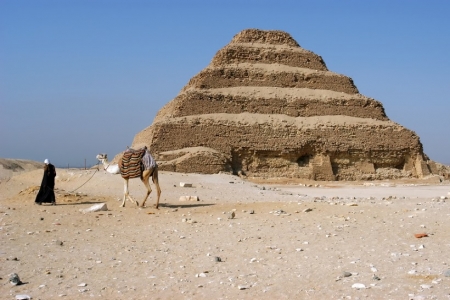
The greatest tomb in Saqqara is that of King Zoser (Djoser), whose Step Pyramid marked the beginning of the Pyramid Age.
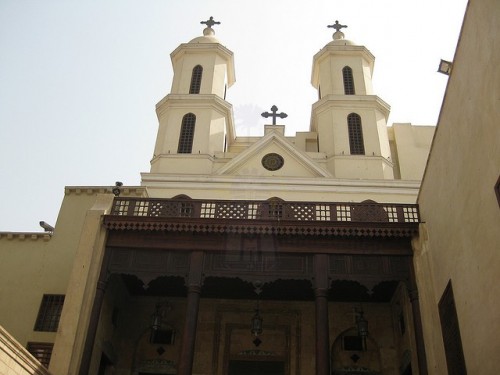
The most well-known church in Cairo is the Al Muallaqa church and one of the oldest in Coptic Egypt. Because it was built above the Babylon Fortress, it is named Al Muallaqa and is devoted to the Virgin Mary.
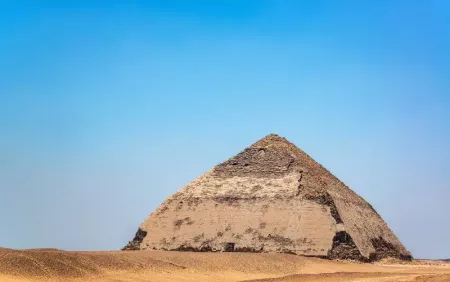
The Bent Pyramid at Dahshur features a rare bent profile created by ancient construction adjustments, offering insight into Egypt’s earliest attempts at smooth-sided pyramids.
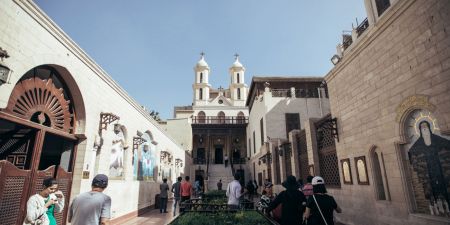
Coptic-cairo reveals Egypt’s Christian heritage through stunning churches and museums. Explore its wonders and plan your unforgettable visit!
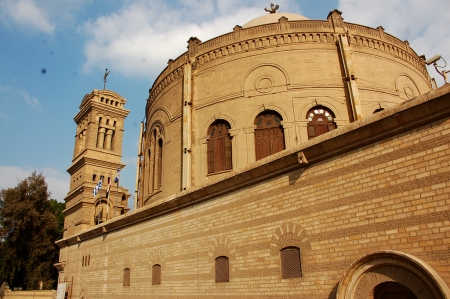
Saint Barbara’s Church in Coptic Cairo is one of Egypt’s oldest Christian monuments, dating back to the 5th–6th century. Known for housing the relics of Saint Barbara, the church reflects centuries of Coptic heritage, architectural evolution, and deep spiritual significance.

Explore the Fortress of Babylon, a major Roman fort in Old Cairo known for its strategic location, massive towers, and enduring historical significance.
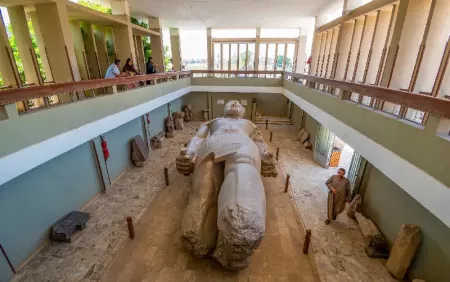
Memphis Necropolis is Egypt’s ancient royal burial site, home to pyramids, tombs, and monuments that reflect the early development of pharaonic civilization.
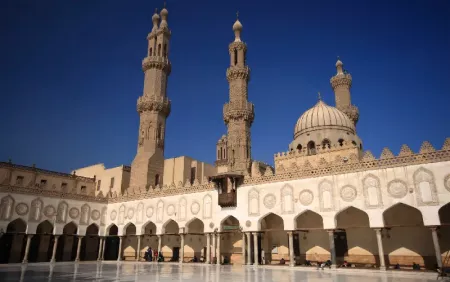
Al-Azhar Mosque is a landmark of Islamic scholarship and Fatimid architecture, home to the world’s second-oldest university and a symbol of Cairo’s spiritual heritage.
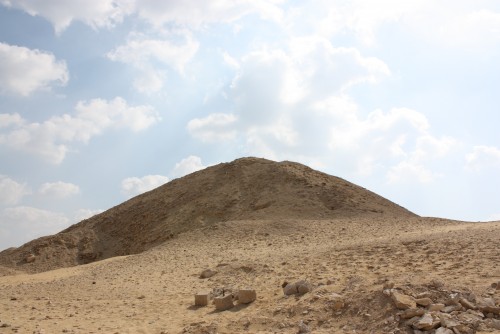
Teti’s Pyramid in Saqqara is an Old Kingdom monument built for the first king of the Sixth Dynasty. Known for its Pyramid Texts and unique mortuary chapel, it remains one of Egypt’s most historically important royal tombs.
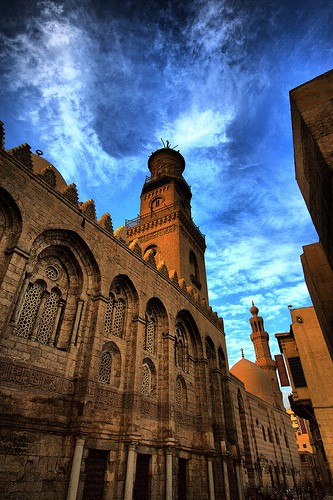
Al Muizz Street is one of Cairo’s oldest and most vibrant historic avenues, showcasing centuries of Islamic architecture. Lined with mosques, palaces, and bustling markets, it offers a captivating walk through Egypt’s medieval past.
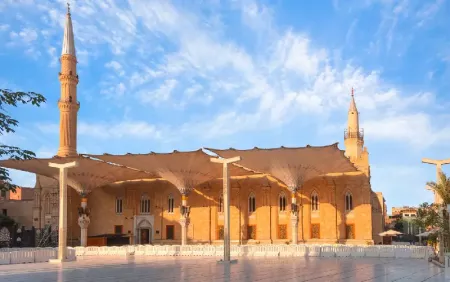
Al-Hussein Mosque is one of Cairo’s most sacred Islamic landmarks, built in 1154 and revered for housing the head of Imam Hussein. Located by Khan El-Khalili, it blends centuries of architectural heritage and remains a major pilgrimage site.
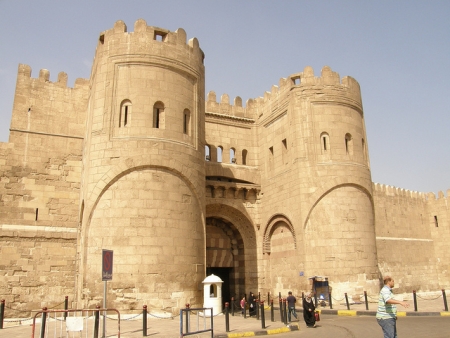
Bab al-Futuh is an 11th-century Fatimid gate in Old Cairo, famous for its massive round towers and strategic role in the city’s medieval fortifications.
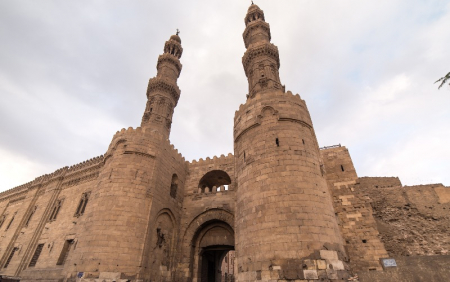
Bab Zuweila is one of Cairo’s last surviving medieval gates, built in 1092 CE by the Fatimid vizier Badr al-Jamali. Famous for its towering twin bastions, massive wooden doors, and later Mamluk minarets, it served as a defensive stronghold, execution site, and ceremonial gateway. Today, it stands as one of Cairo’s most iconic historic monuments.
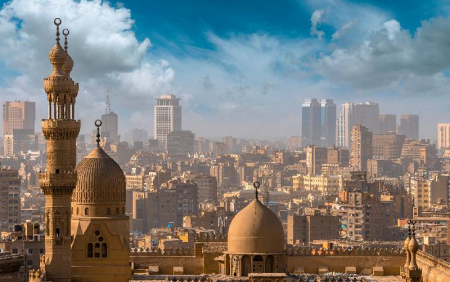
Al Rifai Mosque in Cairo blends Neo-Mamluk architecture with royal history. Completed in 1912, it serves as both a majestic mosque and mausoleum for Muhammad Ali’s family.
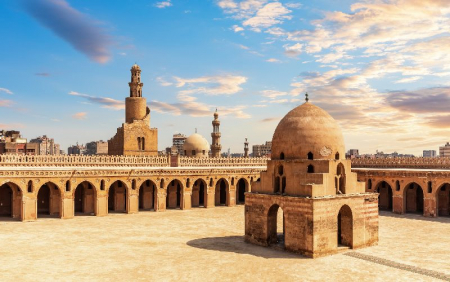
The Ibn Tulun Mosque, Cairo’s oldest well-preserved mosque, dates back to 879 CE. Famous for its vast square layout, intricate arches, and 128 ornate stucco windows, it remains a pinnacle of early Islamic architecture and a must-visit historical landmark.
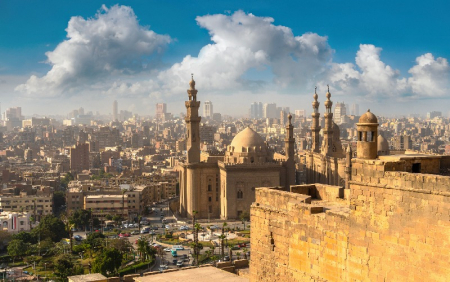
The Sultan Hassan Mosque, built in the 14th century, is a Bahri Mamluk architectural marvel in Cairo, renowned for its grand portal, extensive madrasas, and historic significance.
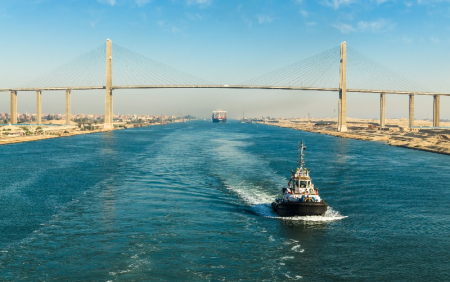
The Suez Canal, Egypt’s iconic waterway, connects Africa and Asia, handling thousands of ships yearly and shaping international trade.
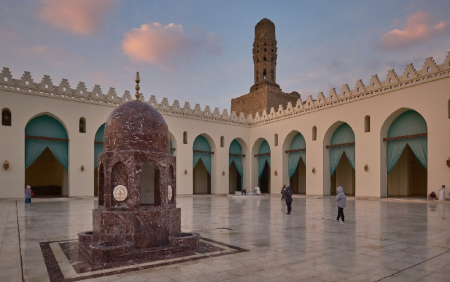
Al-Hakim Mosque, Cairo, is a stunning Fatimid-era mosque built between 990–1013 CE. Famous for its grand courtyard, distinctive minarets, and rich history, it remains a key cultural and religious landmark.
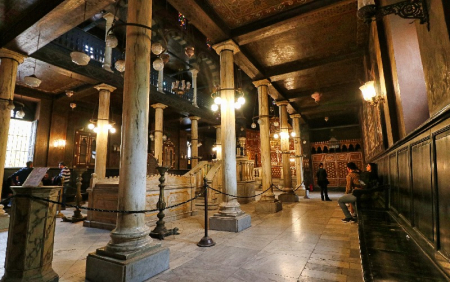
The Ben Ezra Synagogue, founded in the 11th century in Old Cairo, is Egypt’s oldest Jewish monument and the discovery site of the renowned Cairo Geniza.