Home
Home
Marsa Alam: The Fastest-Growing Holiday Resort
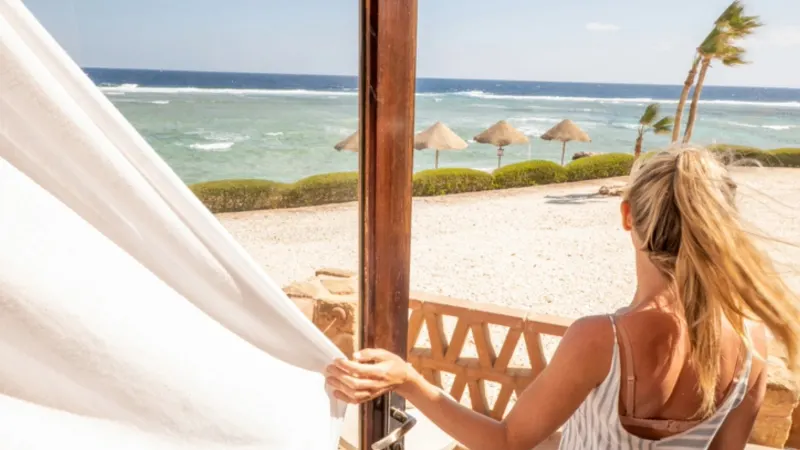
Located approximately 220 km south of Hurghada, Marsa Alam has rapidly transformed from a quiet, traditional fishing village into one of Egypt’s most sought-after holiday destinations along the Red Sea Riviera. Despite its recent development, the area has retained a sense of untouched natural beauty, offering visitors a serene and peaceful environment that contrasts with the busier resort towns to the north. Its palm-fringed beaches, crystal-clear turquoise waters, and mangrove-lined shores make it an idyllic location for travelers seeking both relaxation and adventure.
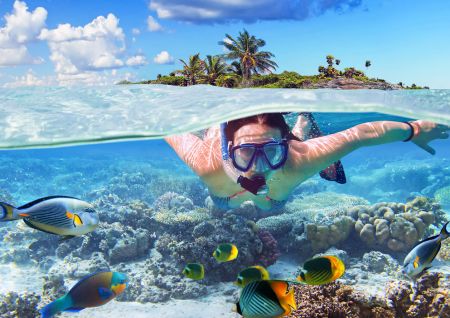
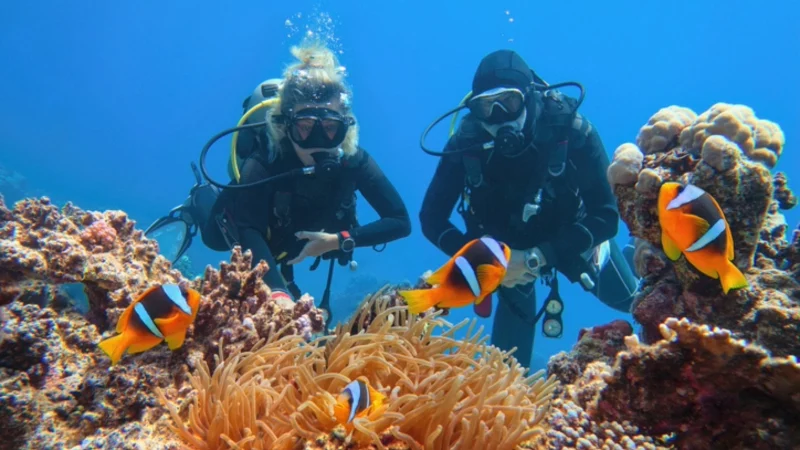
Marsa Alam has become particularly popular among water sports enthusiasts. Windsurfers are drawn to the steady coastal winds, while scuba divers and snorkelers are attracted by the region’s vibrant coral reefs and rich marine life, including schools of tropical fish, rays, and dolphins. The Red Sea here remains relatively pristine compared to other destinations, giving visitors the chance to explore underwater ecosystems largely untouched by mass tourism. Sunseekers also find plenty of opportunities to unwind along quiet beaches or enjoy the warm, inviting waters.
The resort’s transformation accelerated significantly after the establishment of Marsa Alam International Airport, which opened the area to international travelers and made it far more accessible. Today, the town offers a variety of accommodations, from luxury resorts and boutique hotels to eco-friendly lodges, catering to families, couples, and solo travelers alike. Its combination of natural beauty, adventure opportunities, and modern infrastructure has earned Marsa Alam a reputation as one of Egypt’s hidden gems, where serenity blends seamlessly with exciting activities, ensuring every visitor leaves with lasting memories.
A: Marsa Alam is accessible by domestic and international flights via Marsa Alam International Airport, or by road from Hurghada (around a 3-hour drive).
Diving and Marine Life in Marsa Alam
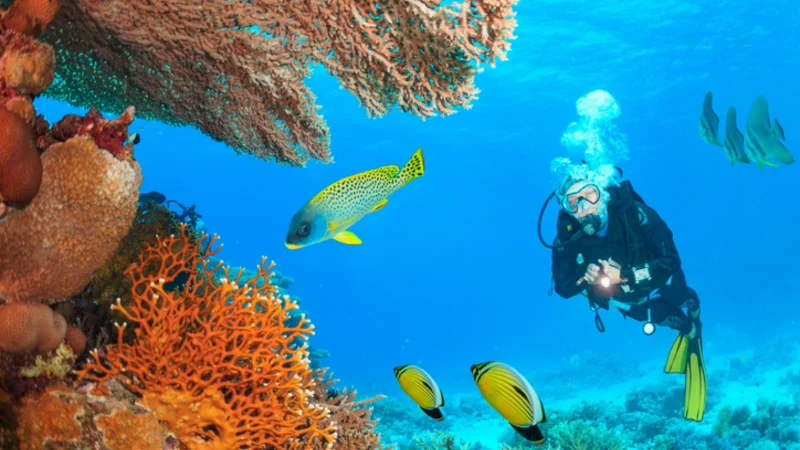
Marsa Alam has emerged as one of the world’s premier diving destinations, thanks to the Red Sea’s pristine coral reefs and extraordinary marine biodiversity. Unlike the more heavily visited resorts such as Sharm El Sheikh or Hurghada, Marsa Alam’s dive sites remain relatively uncrowded, offering divers a tranquil and intimate underwater experience. This makes it an ideal location for those looking to explore vibrant reefs without the congestion of mass tourism.
One of the most famous dive sites is Elphinstone Reef, situated approximately 6.5 nautical miles offshore. Known for its dramatic vertical coral walls, Elphinstone attracts divers from around the globe eager to witness its colorful coral formations, schools of tropical fish, and larger marine species such as turtles and oceanic whitetip sharks. The reef’s diverse topography—ranging from shallow plateaus to deeper drop-offs—accommodates divers of all skill levels, making it suitable for beginners as well as seasoned professionals seeking thrilling encounters with larger pelagic species.
Another highlight is Shaab Samadai, famously known as Dolphin House. This unique site is home to pods of spinner dolphins, which often swim gracefully around snorkelers and divers in crystal-clear waters. Observing these intelligent and playful creatures in their natural habitat is a once-in-a-lifetime experience and a major draw for wildlife enthusiasts. The combination of calm lagoons and vibrant coral gardens makes the site accessible for snorkeling and diving alike.
Beyond these iconic spots, Marsa Alam offers a variety of dive sites with rich biodiversity, including hidden coral gardens, dramatic drop-offs, and underwater caves. Divers can encounter reef fish in brilliant colors, rays gliding along the seabed, and occasionally even dugongs and sea turtles. Many local dive centers focus on eco-friendly practices, educating visitors on reef conservation and encouraging responsible interaction with the marine environment.
For anyone passionate about the underwater world, Marsa Alam is a diving paradise—combining clear waters, abundant marine life, and relatively untouched reefs for an unforgettable Red Sea experience. Whether you are a beginner eager to learn or an experienced diver seeking adventure, the area’s reefs promise memories that last a lifetime.
A: The best time for diving is between March and June, or September to November, when water visibility is excellent and marine activity is at its peak.
Adventure and Desert Excursions
Beyond its stunning coastlines and crystal-clear waters, Marsa Alam offers a wealth of experiences for adventure seekers in the surrounding Eastern Desert. The desert’s rugged beauty, dramatic mountains, and expansive dunes provide an exciting backdrop for outdoor activities, blending natural wonders with cultural and historical discoveries.
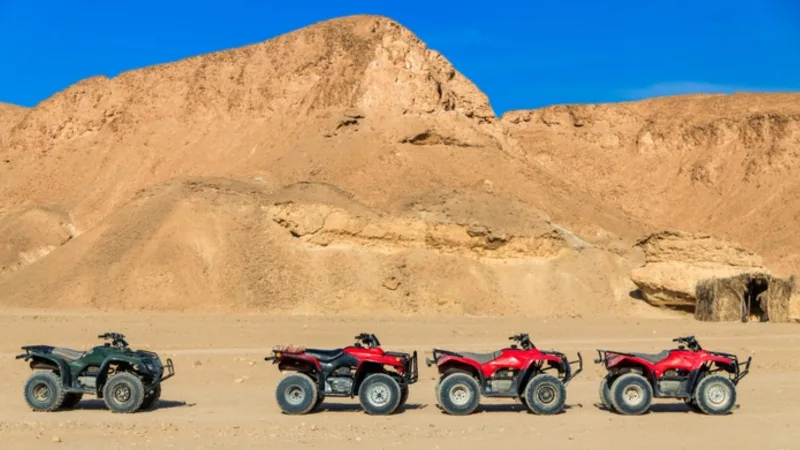
Visitors can embark on quad biking or jeep safaris, traversing sandy trails and rocky landscapes while enjoying panoramic views of the desert. These guided tours often include stops at authentic Bedouin villages, where travelers can learn about traditional customs, lifestyle, and hospitality. Visitors may witness local crafts being made, sample herbal teas, and experience the warmth of Bedouin culture firsthand. Camel rides are another popular way to explore the desert, allowing guests to traverse dunes and valleys at a more leisurely pace while enjoying the vast, tranquil surroundings.
Many desert excursions incorporate traditional barbecues and cultural shows, providing a full sensory experience under the expansive desert sky. Visitors can enjoy freshly prepared meals, watch folk dances, or listen to Bedouin music, creating unforgettable memories that combine adventure with cultural enrichment. Evening tours often culminate in spectacular desert sunsets, painting the sand and mountains in shades of orange, pink, and gold—a breathtaking sight that embodies the magic of the Sinai and Eastern Desert regions.
Marsa Alam’s desert landscapes also offer a fascinating glimpse into ancient Egyptian history. The Cleopatra Mines, historically known as Mons Smaragdus or the Emerald Mountains, were once famous for producing emeralds coveted by Pharaohs and Roman elites. Exploring these historic sites gives travelers insight into the region’s rich mining heritage and its importance in antiquity. The rugged mountains, hidden valleys, and abandoned mines make for a thrilling backdrop, blending adventure, history, and natural beauty in a single journey.
A: Yes, visitors can explore the ancient mine ruins at Wadi Gemal and Wadi Sikeit, where remnants of temples, mining settlements, and cave structures remain visible.
Customize Your Dream Vacation!
Get in touch with our local experts for an unforgettable journey.
Plan Your Trip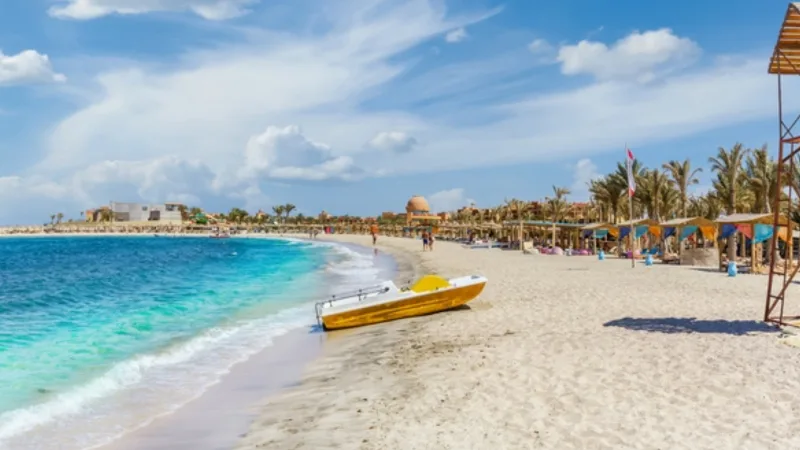
Historical and Archaeological Sites
Marsa Alam’s surrounding region is not only a paradise for beachgoers and adventure seekers but also a treasure trove for history enthusiasts. The area is rich in archaeological remains that date back thousands of years, reflecting its long-standing significance as a center of trade, mining, and cultural exchange along the Red Sea coast. Travelers exploring the region will discover layers of history that reveal fascinating stories from ancient Egyptian, Greek, and Roman times.
One of the most notable historic areas is Wadi Hammamat, a desert valley that served as an important trade and mining route in antiquity. Here, visitors can observe over 200 hieroglyphic inscriptions carved into cliffs and rock faces, some of which are more than 4,000 years old. These inscriptions depict reed boats, mining expeditions, and trade journeys to the Nile, providing a remarkable glimpse into the daily lives, religious beliefs, and economic activities of the ancient Egyptians. Scholars and tourists alike marvel at the intricate carvings, which have been preserved by the dry desert climate for millennia.
The region is also famous for its Bekheny stone, a dark green granite highly prized in antiquity. This precious stone was quarried from the surrounding mountains and used extensively in royal tombs, statues, sarcophagi, and temples, symbolizing both luxury and spiritual significance. Many of the quarries and stone transportation routes still remain visible today, allowing visitors to imagine the enormous effort involved in extracting and transporting these materials in the ancient world.
Further evidence of Marsa Alam’s historical importance can be seen in the remains of Roman watchtowers, forts, and settlements, which once secured the region and facilitated maritime trade along the Red Sea. The nearby ancient port of Myos Hormos served as a crucial hub connecting Egypt to Arabia, India, and East Africa, highlighting Marsa Alam’s role in global commerce during Roman times.
Today, these archaeological sites offer visitors a unique opportunity to explore both the natural and cultural richness of Marsa Alam. From towering cliffs adorned with ancient hieroglyphs to historic mining sites and Roman ruins, the region provides a fascinating journey into Egypt’s layered past, making it a destination that appeals not only to sun-seekers and adventurers but also to history buffs and cultural travelers.
A: Travelers can visit Wadi Hammamat for ancient inscriptions, and Myos Hormos for Roman ruins and artifacts preserved in the desert landscape.
Modern Tourism and Accommodation
In recent years, Marsa Alam has experienced a remarkable transformation in its hospitality sector, with the development of numerous luxury resorts, boutique hotels, and eco-friendly lodges. These accommodations cater to a wide range of travelers, whether they are seeking relaxation, adventure, or cultural exploration. From five-star beachfront resorts offering world-class amenities to smaller, intimate eco-lodges nestled close to the desert or lagoons, Marsa Alam provides options to suit every preference and budget.
Many of the resorts emphasize eco-conscious practices, reflecting a growing commitment to sustainability in the region. Solar energy, water-saving systems, and reef protection programs are increasingly integrated into resort operations, ensuring that tourism development does not compromise the pristine natural environment. This approach allows visitors to enjoy modern comforts while also experiencing the Red Sea’s unspoiled beaches and rich marine life responsibly.
Marsa Alam’s accommodations are strategically designed to provide easy access to the area’s main attractions. Beachfront properties offer direct access to crystal-clear waters, coral reefs, and diving sites, allowing guests to step out of their rooms and dive into adventure. For those seeking a quieter and more immersive experience, resorts near desert landscapes and secluded lagoons offer a peaceful retreat, perfect for relaxation, meditation, or stargazing under the clear desert sky.
The hospitality sector in Marsa Alam also excels in guest services and activities, offering packages that include diving excursions, desert safaris, spa treatments, and cultural tours. Many resorts feature on-site restaurants serving international and local cuisine, ensuring that every meal is a delightful experience. Families, couples, and solo travelers alike can find accommodations tailored to their needs, creating a welcoming atmosphere for all visitors.
Today, Marsa Alam represents a perfect blend of modern comfort and natural beauty, where luxurious resorts coexist harmoniously with untouched beaches, vibrant coral reefs, and dramatic desert landscapes. Its careful balance of growth and preservation has helped the town emerge as one of Egypt’s most attractive destinations on the Red Sea, appealing to travelers who wish to explore the region away from the crowds while enjoying first-class facilities and unique experiences.
A: Yes, Marsa Alam offers family-friendly resorts with safe beaches, guided excursions, and activities such as snorkeling, camel rides, and desert safaris for all ages.
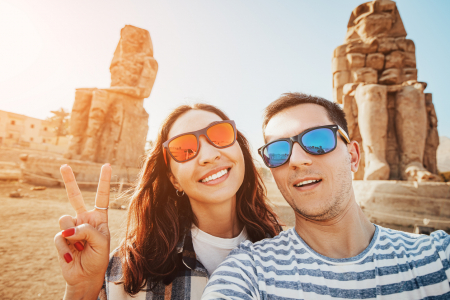
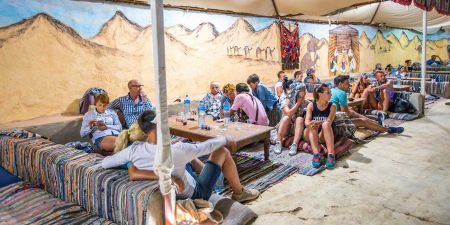
Sharm El Sheikh is a sunny seaside town of long sandy beaches and excellent water sports facilities. Memphis Tours will tell you what to do in Sharm El Sheikh!

Hurghada is Egypt's most famous and oldest resort. Because of the clean clear blue water of the Red Sea and an abundance of marine life as Hurghada is renowned as one of Egypt's primary capitals of snorkeling and scuba diving.
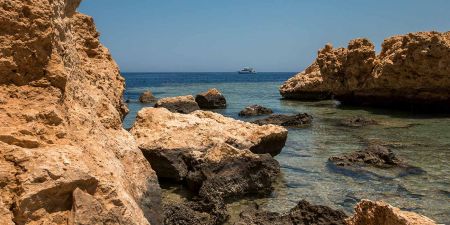
Ras Muhammad National Park is located on the Sinai Peninsula in Egypt and is one of the most famous national parks in Egypt as over 220 species of coral exist in Ras Mohammed National Park.
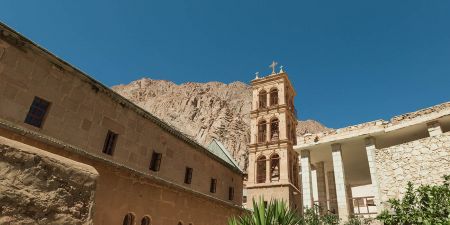
The most stunning locations within the Sinai Region of Egypt are undoubtedly Mount Sinai and Saint Catherine’s Monastery. Discover more about these two majestical locations within this diverse location with our article.
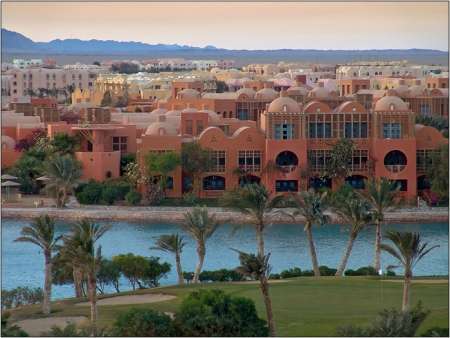
El Gouna on Egypt's Red Sea is one of the irresistible resorts in Egypt and it is noted for its lagoons and is situated along the coast and on tiny islands.

Marsa Alam became a well-known vacation spot. Marsa Alam is one of the greatest places for diving and snorkeling with a view of the Red Sea with its crystal water.

The Resort of Soma Bay is situated on the beautiful shores of the Red Sea in Egypt. Soma Bay is known for having the most magnificent sandy beaches on the Red Sea, as well as panoramic views of the desert mountains and blue sky all year.
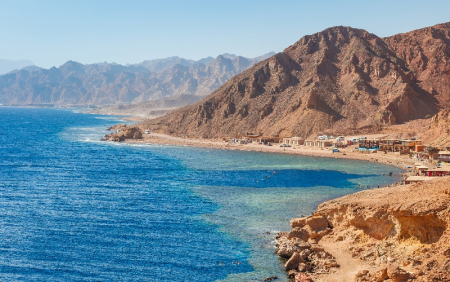
Dahab is a relaxed Sinai beach town famed for diving, Bedouin heritage, and its unique appeal to independent travelers and adventure seekers.
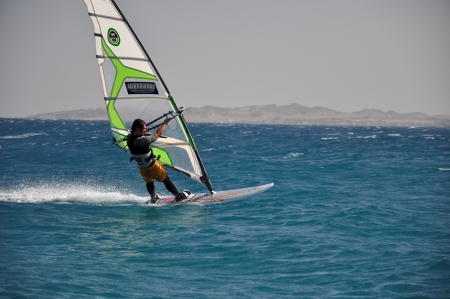
Makadi Bay is an Egyptian tourist town. On the Red Sea, roughly 30 kilometers south of Hurghada. With the turquoise waters and beautiful desert landscape of Makadi Bay.
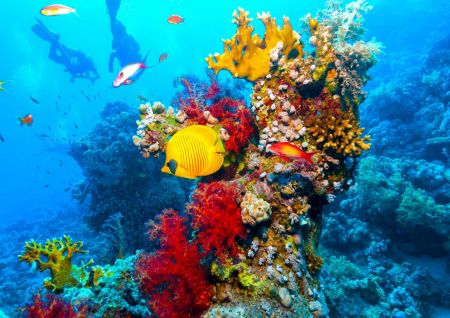
Safaga is well-known for its clean air, black sand dunes, and mineral springs

Port Ghalib spans 8 million square meters on Egypt's Red Sea with world-class diving, luxury resorts, marina & desert safaris. Just 10 minutes from airport.
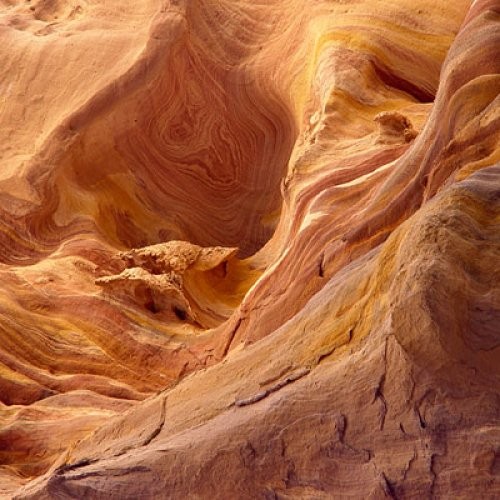
The breathtaking scenery of the Coloured Canyon is located about two to three hours from Sharm El Sheikh and about two hours from Dahab.
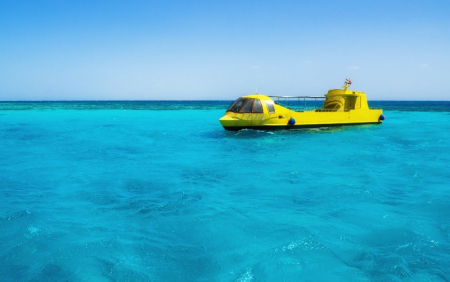
Sindbad Submarine offers a unique underwater adventure in Hurghada, letting visitors explore the Red Sea's coral reefs and marine life safely and comfortably.